Russia

Featured article

Conflicts and solidarity in post-Soviet North Caucasus

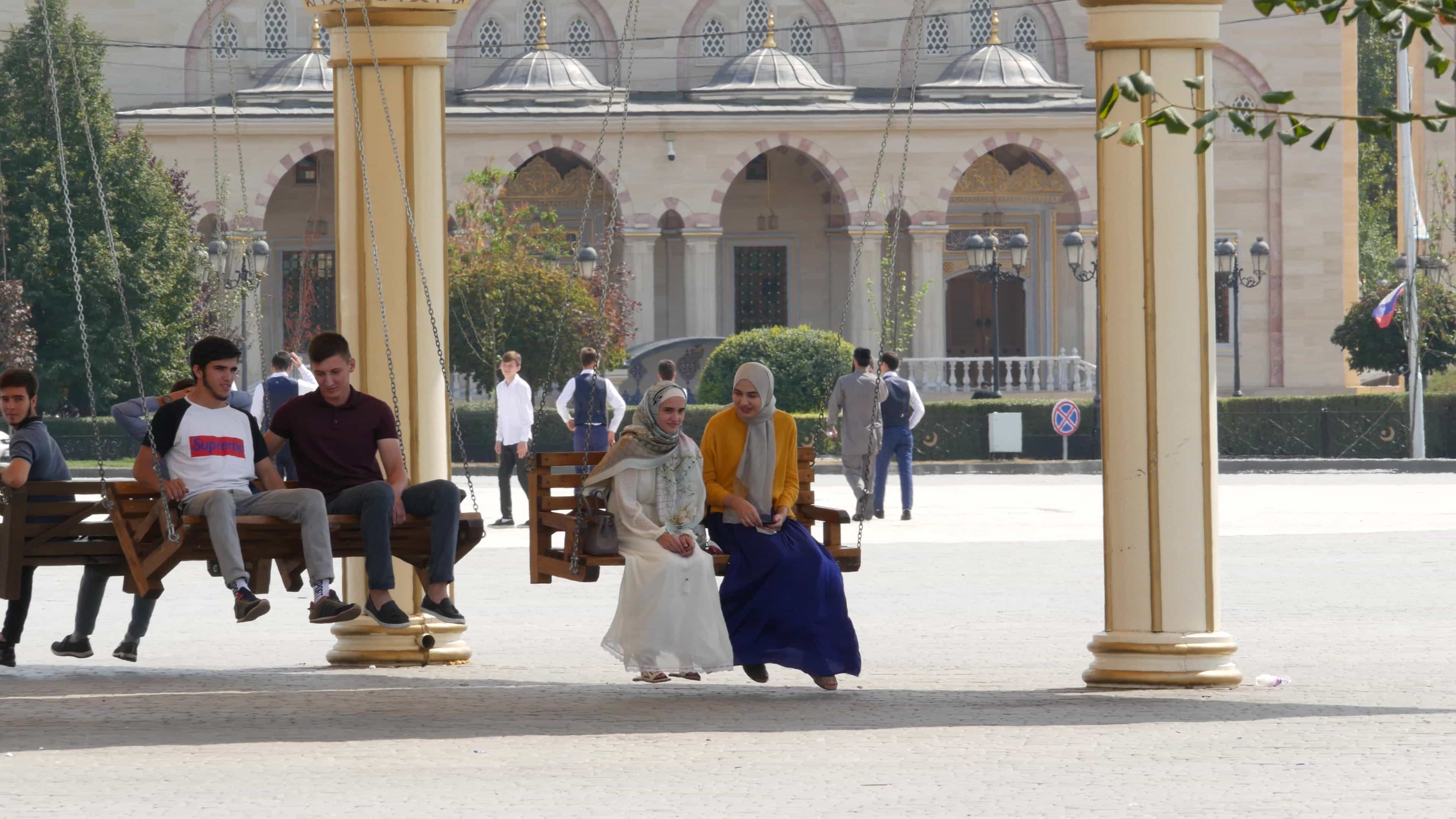
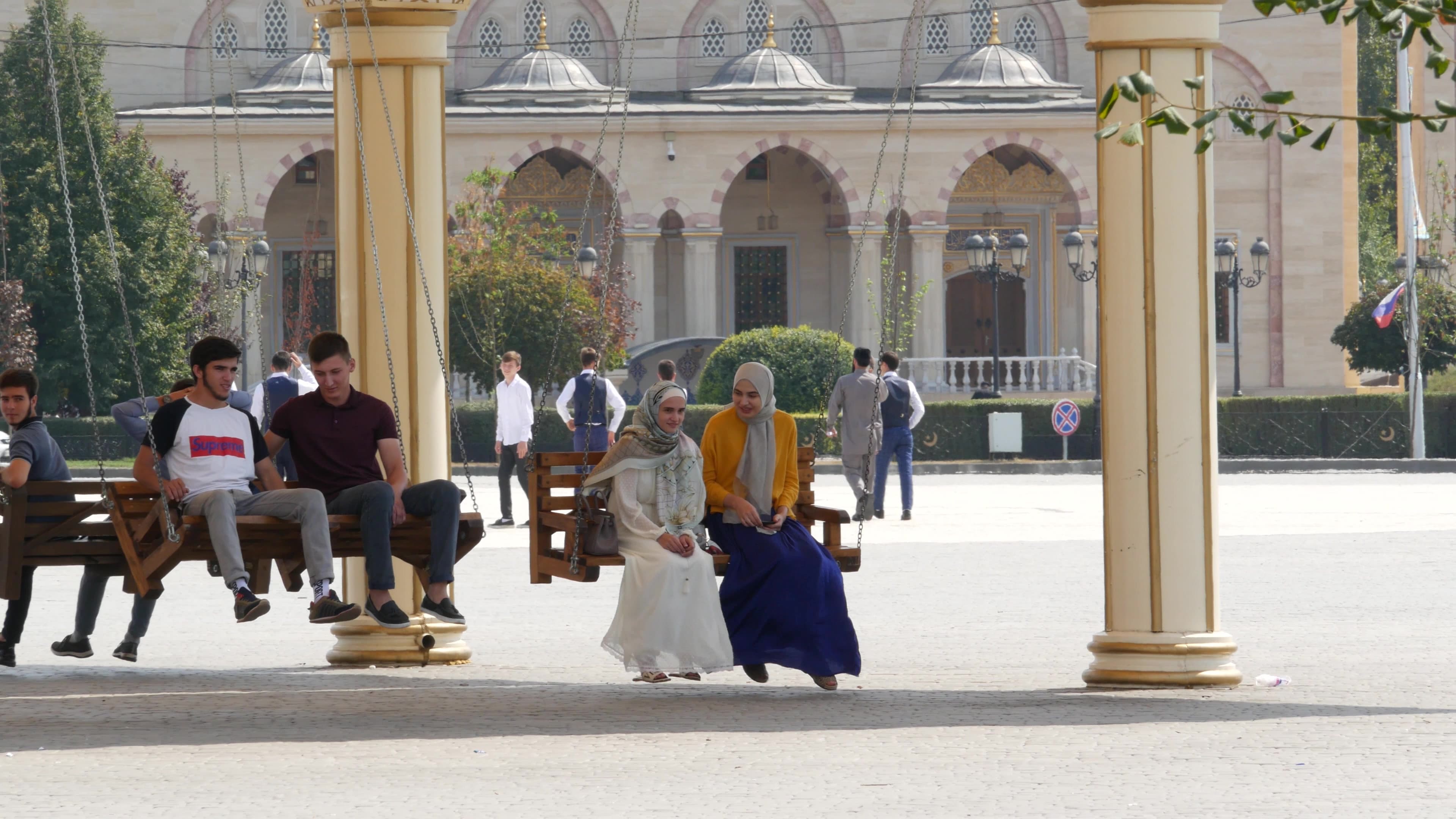
Despite much wrangling over borders or cultural heritage in the face of tragedy, the people of Chechnya, Dagestan, Ingushetia and North Ossetia are coming together to search for the missing or raise funds for the victims of natural disasters. Because their shared history prevails over old grudges.


  • Russia’s ‘Old New Year’ 'frozen in war'

    With the golem mired in the swampy mud of "serving, praying, and giving birth”, it is impossible to trust sociological surveys with increasingly less accessible statistical data. As the rift between Russia’s optimistic majority and a significant pessimistic minority persists, the prevailing view is that "everything will remain as it is today”. Kirill voices an apocalyptic perspective while the fight continues against the "demon" Bartholomew.

  • In Vilnius, 35 years ago, the beginning of the end of the USSR

    The assault on the television centre in January 1991 definitively ruined the plans for perestroika, also giving Gorbachev the reputation of a dictator and persecutor of the freedom of peoples, destroying his image as a reformer. After Lithuania, it was the turn of Latvia and Estonia, with Yeltsin himself signing an appeal to the UN on the unacceptability of military interference. Today, this conquest of freedom and civilisation remains a faint memory.

  • The fate of Moscow's “shadow fleet”

    For the moment, Russia tends to downplay the scope of US Coast Guard operations against its ghost tankers, which are withdrawing from the Caribbean seas to circumvent sanctions, limiting themselves to circumnavigating Eurasian territories. But advocates of war view the abandonment of “friendly countries” with concern, fearing the risk of being left with only North Korea at its side.

  • Venezuela and Ukraine, Putin and Trump's new world

    The “Donroe doctrine”, as enunciated by Trump, now corresponds perfectly with the principles of Putin's Russkij Mir: both the US and Russia assess the countries within their sphere of influence, be it the American double continent or the former Soviet Eurasian space, as countries to be controlled, conquered, invaded and exploited.

  • Demographic crisis and religious denominations in Russia

    Although Rosstat has decided to keep the data secret until 2025, many independent demographers believe that the decline in the Russian population is accelerating. The only areas bucking the trend are the Muslim-majority regions of the North Caucasus. Where religious practice is already much more intense than among the faithful of the Orthodox Churches.

  • Dissident Bialiatski: ‘My imprisonment in Minsk’

    The founder of the Viasna Human Rights Centre was released a few weeks ago, along with a hundred other Belarusian political prisoners. He spoke with Radio Liberty from exile in Lithuania about his four years in jail for protesting Lukashenko's election fraud. The 2022 Nobel Peace Prize laureate noted that a thousand more people are still jailed in a “never-ending vicious circle.”

  • The Russian Triad of Past and Future

    The famous formula of 19th century tsars, Autocracy-Orthodoxy-Nationality, is being reinterpreted today by Putin's ideologists as the new triad: Sovereignty-Traditionalism-Welfare State. Yet, it is precisely "moral and spiritual values" that are the least clear reference, incapable of going beyond the opposition to the “destructive and degraded” values ​​of the West.

  • Moscow's present and future as seen by Russians abroad

    Political scientists, philosophers, analysts and representatives of various associations meet at the annual conference of the Sakharov Centre in Berlin. What emerges is a picture of a society divided between the Z-Patrioty, the ‘turbo-supporters’ of the special operation in Ukraine, and the Uklonisty, the ‘reluctant’ who do not want to openly express their opinions on the war.

  • Guilt and the new barbarism in Putin's Russia

    Viktor Erofeev, a critical anti-war voice since Crimea, presented his latest work. In Russia, repressing guilt has become automatic. The collapse of the Soviet Union is one example and the Orthodox Church, which never apologised for collaborating with the atheist regime, is another. Khrushchev words about Russia's wars in Georgia and Ukraine appear prophetic; meanwhile, the opposition abroad is failing.

  • Russia in Syria one year on

    One year after the fall of Bashar al-Assad's regime, Moscow no longer plays an active role in Syria. But al-Sharaa went to Russia to meet Putin and relations between the two countries are marked by pragmatism, with Damascus still dependent on Russian oil and wheat. The issue of air bases and the port of Tartus.

  • Moscow and Beijing caught between history and the present

    The two giants of the Asian continent have always been close, but they have never communicated as intensely and amicably as they have in recent times. China's position continues to strengthen despite all the mistrust surrounding Russian projects. The scenario of a ‘reverse colonisation’ compared to the times when Moscow was the ‘big brother’.

  • War impacts Black Sea and the Sea of Azov

    New Russian threats in Kherson bring the effects of the conflict on marine pollution back to the forefront. Research published last summer identified at least 70 chemicals from weapons in the waters of the Black Sea. Even the clashes and bombings are having devastating effects on marine wildlife.

AsiaNews Weekly
News from Asia that matters

Subscribe to the newsletter to receive verified news, analysis and insights from Asian countries every week.

Subscribeto the newsletter
  • P.I.M.E. Centro Missionario
  • Agenzia Fides
  • P.I.M.E. Brasil
  • Radio Mondo
  • Mondo e Missione
  • P.I.M.E. U.S.A.
  • TV 2000





