Russia

Featured article

Conflicts and solidarity in post-Soviet North Caucasus

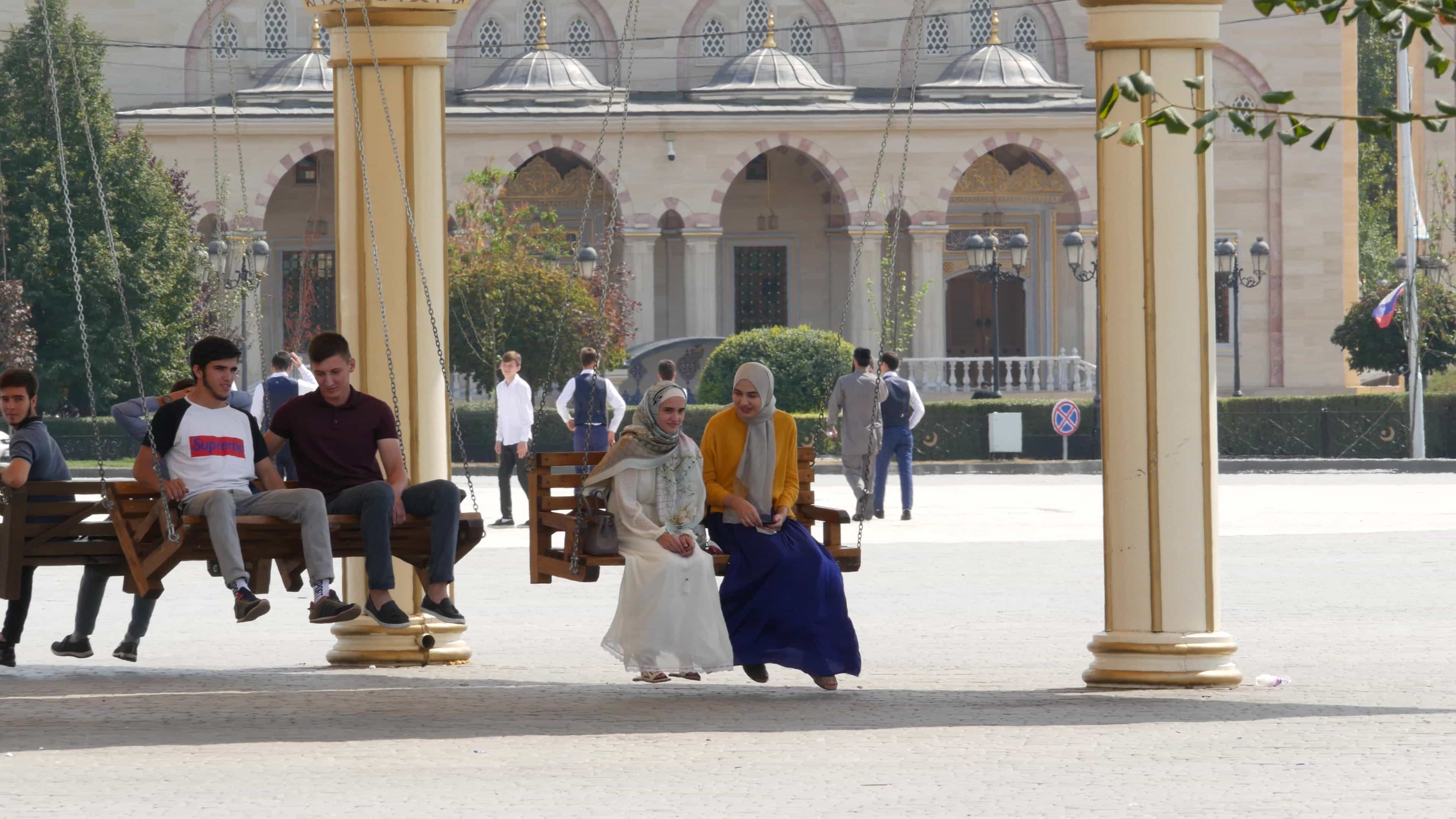
Despite much wrangling over borders or cultural heritage in the face of tragedy, the people of Chechnya, Dagestan, Ingushetia and North Ossetia are coming together to search for the missing or raise funds for the victims of natural disasters. Because their shared history prevails over old grudges.
  • Explaining the end of the war to the Russians

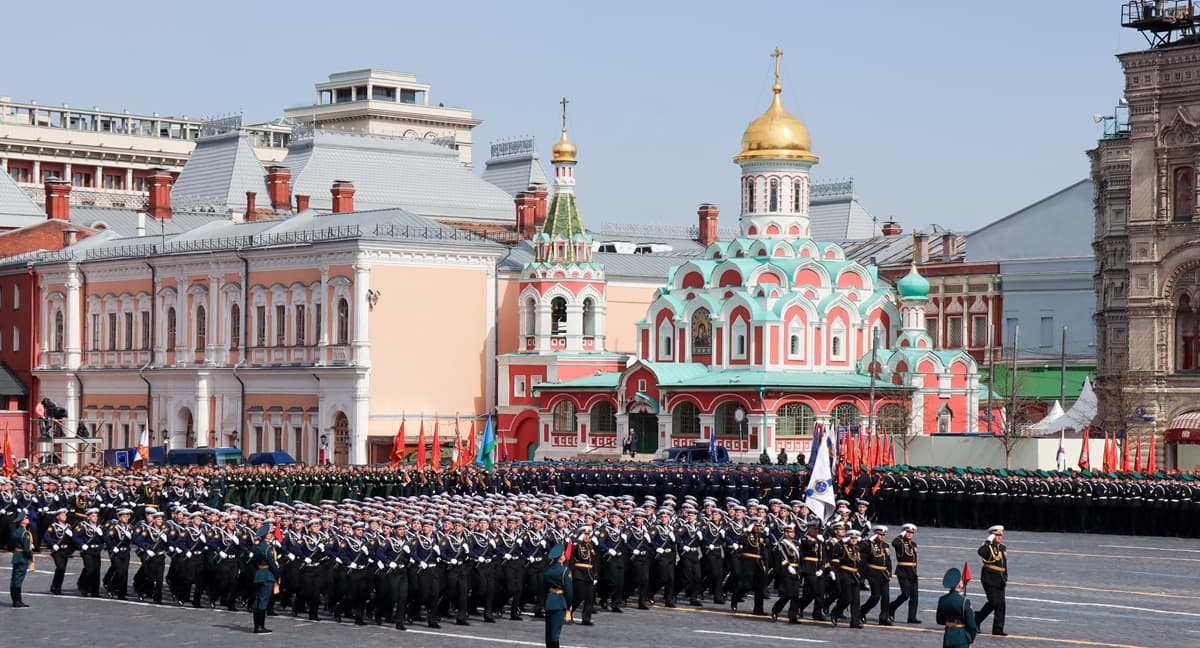
    Behind Putin’s remarks at the Victory Day parade regarding the “possible end of the war” (albeit at an unspecified time) lie the risks that a further prolongation of the conflict would now pose to the stability of Russian society. Thus, despite the deadlock in negotiations, Moscow is attempting to revise its propaganda narrative to give the impression that it has nonetheless achieved its objectives in the ‘special operation’ in Ukraine.

  • The Future of the Catholic Church in Russia

    The resignation of Archbishop Paolo Pezzi of the Archdiocese of the Mother of God at Moscow marks a delicate transition for Russia’s Catholic community, a process that will also affect relations with Russian authorities and the Orthodox Patriarchate. Citing health reasons that currently make it impossible for him to administer the large diocese, the prelate, who has led the local Church since 2007, calls for unity. Now succession becomes a major issue.

  • Censorship and self-censorship in Russia

    The level of state control over what citizens say and write in Moscow today is now greater than it was in the Soviet Union before Gorbachev. Every police officer, traffic warden or judge adheres to this line; everyone understands that one can no longer speak of politics or criticise those in power, and even the most innocuous expressions are monitored.

  • NATO’s weak spots in event of Russian attack on Europe

    From political divisions with Washington, which has announced troop withdrawals, to the limitations demonstrated by air and naval forces during the Middle East crisis: senior European military officers insist on the need to prepare for a possible Russian attack on a NATO country by 2030. And with the increasingly real threat of drones, military cooperation with Ukraine is being strengthened.

  • The shifting alliance between Moscow and Tehran

    Foreign Minister Abbas Arakhchi’s visit to St Petersburg has confirmed that, following the invasion of Ukraine, Iran has become an “irreplaceable supplier” to the Russian army, which has been weakened by problems with arms production and heavy losses at the front. Meanwhile, Moscow’s know-how is now making Tehran’s drone attacks more effective in terms of navigation and precision.

  • Social Service in the Russian Orthodox Church

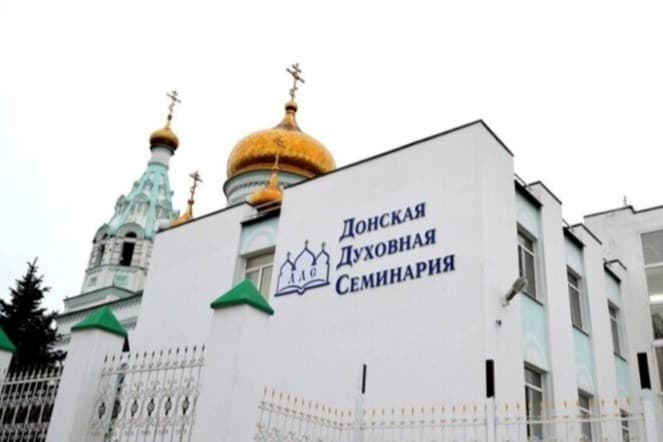
    At the Donskoy Seminary in the Rostov region, a master’s programme on the charitable dimension of the Church has been launched at the Synod’s behest. This marks a new direction in Russian Orthodox theological studies, with a programme that seeks to develop an ‘innovative’ approach, employing both scientific and spiritual methodologies.

  • The 21st century electronic curtain between ‘Eastern and Western Internets’

    For Russian philosopher Epstein, a new electronic and digital "Iron Curtain” is upon us. With the collapse of the Soviet totalitarian system, a new, immense and enveloping virtual system has emerged. Today's wall is not easily controlled by a centre of absolute power, but efforts are underway to plug the holes and sever connections. Putin's challenger is no longer Navalny, but Durov, founder of Telegram.

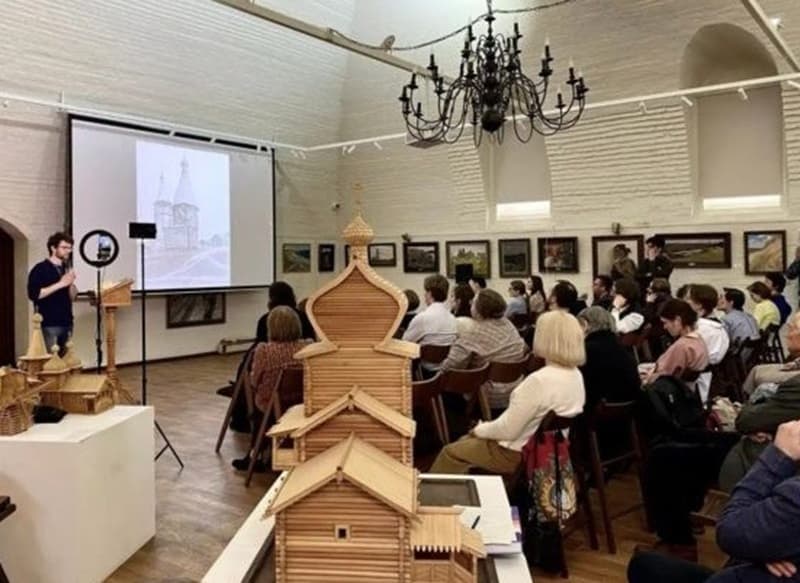
  • Northern Russia's wooden churches

    Over the course of nearly twenty years, a project led by Orthodox volunteers has restored more than 200 churches and chapels built entirely of wood in the characteristic style of traditional rural communities. Among them is the Church of the Ascension of the Lord in the village of Pijala in the Arkhangelsk region, founded in 1654 and standing a full 45 metres tall.

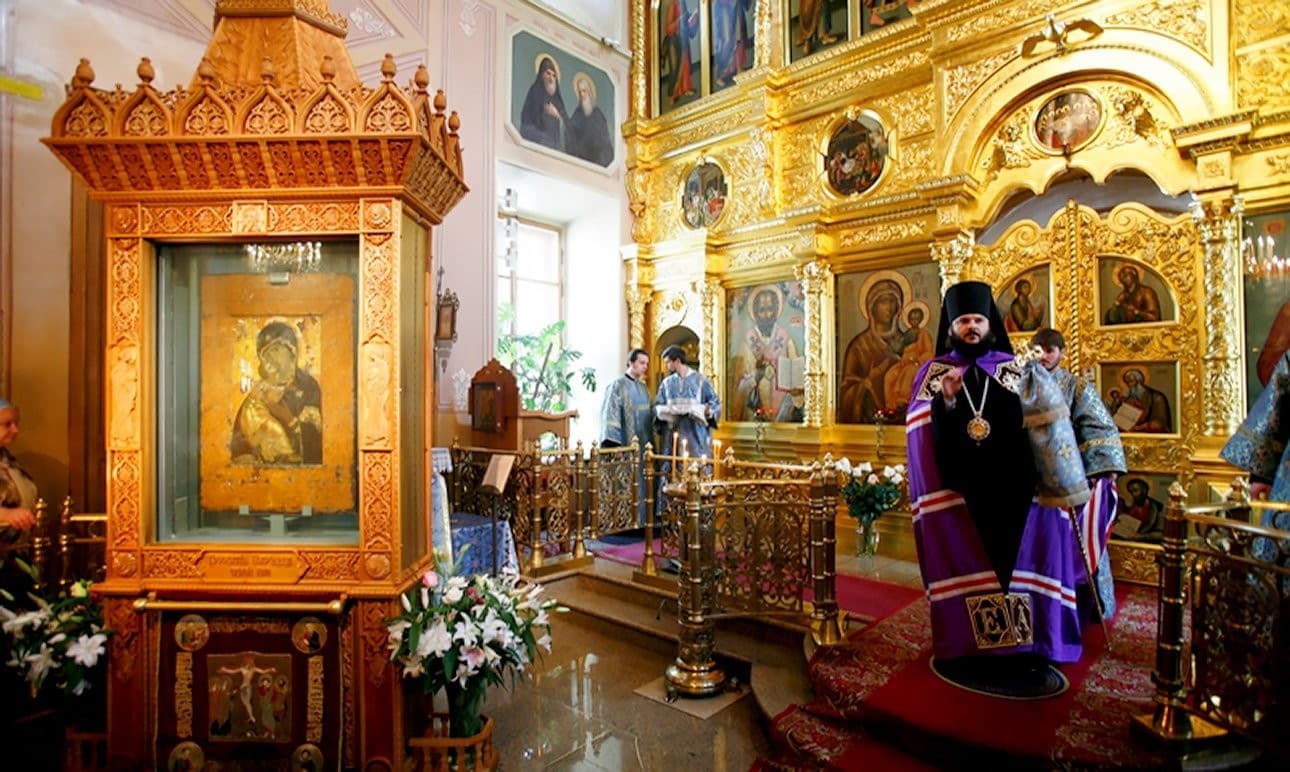
  • The Easter Icons of Russian Victory

    On extraordinary display in the Cathedral of the Holy Saviour, the icons of the Mother of God of Vladimir, also known as the ‘Madonna of Tenderness’ (Umilenije), and the one known as Donskaya are both symbols of Russian victories. They hark back to the great confrontation between East and West that gave rise to Rus’, and has continued to underpin the various ideologies in power in Russia to this day.

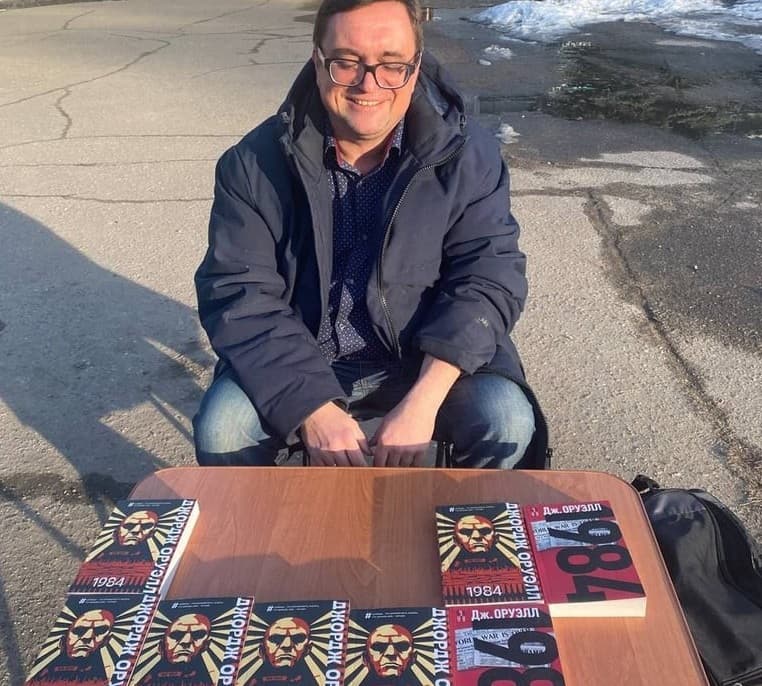
  • Russia's "literary rebels”

    Faced with the crackdown on Moscow bookshops and publishing houses aimed at removing from circulation novels, essays or even literary classics now deemed “subversive”, some individuals are setting up small private libraries to share their books. People gather and talk about the war, without mentioning Ukraine, but by reading stories that would otherwise be impossible to find anywhere today.

  • Security Threats at the CIS Borders

    In Tajikistan, a summit of border agency heads from the Commonwealth of Independent States (CIS) addressed the repercussions of instability in Afghanistan. Cooperation has been strengthened to combat infiltration by terrorist and extremist groups of an Islamic fundamentalist nature.

  • The “Tatar lobby” in Russia: between loyalty and autonomy

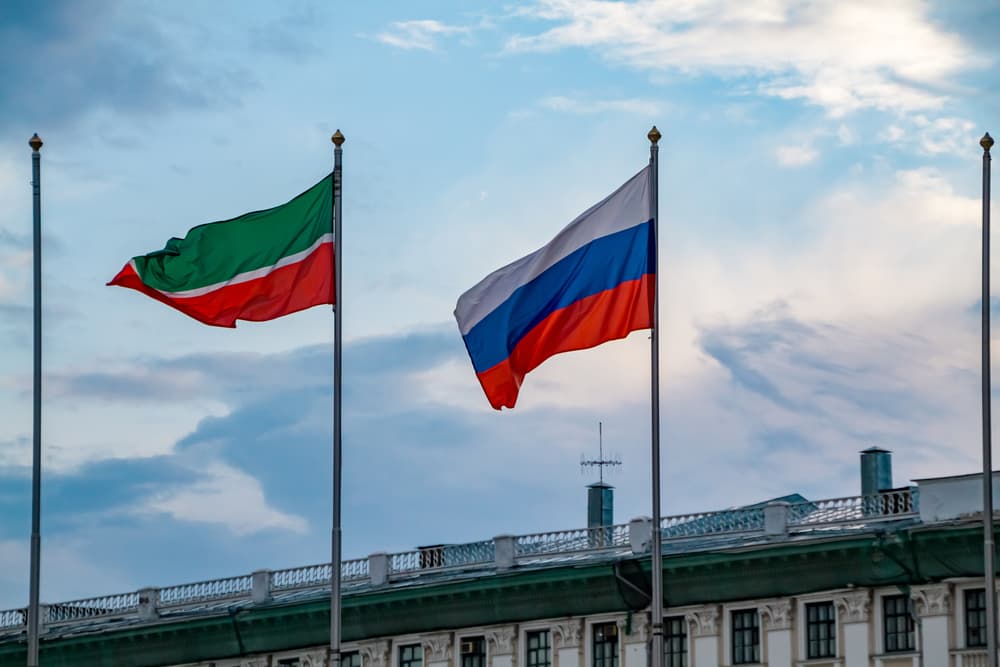
    The Russian republic of Tatarstan in the Urals is historically a region with strong autonomist tendencies, boasting its own highly active lobby group in Moscow. Although it must now contend with Putin’s centralism and has had to make some concessions on the language issue, it has nevertheless retained significant economic advantages which it has no intention of relinquishing.

AsiaNews Weekly
News from Asia that matters

Subscribe to the newsletter to receive verified news, analysis and insights from Asian countries every week.

Subscribeto the newsletter
  • P.I.M.E. Centro Missionario
  • Agenzia Fides
  • P.I.M.E. Brasil
  • Radio Mondo
  • Mondo e Missione
  • P.I.M.E. U.S.A.
  • TV 2000