Russia

Featured article

Conflicts and solidarity in post-Soviet North Caucasus

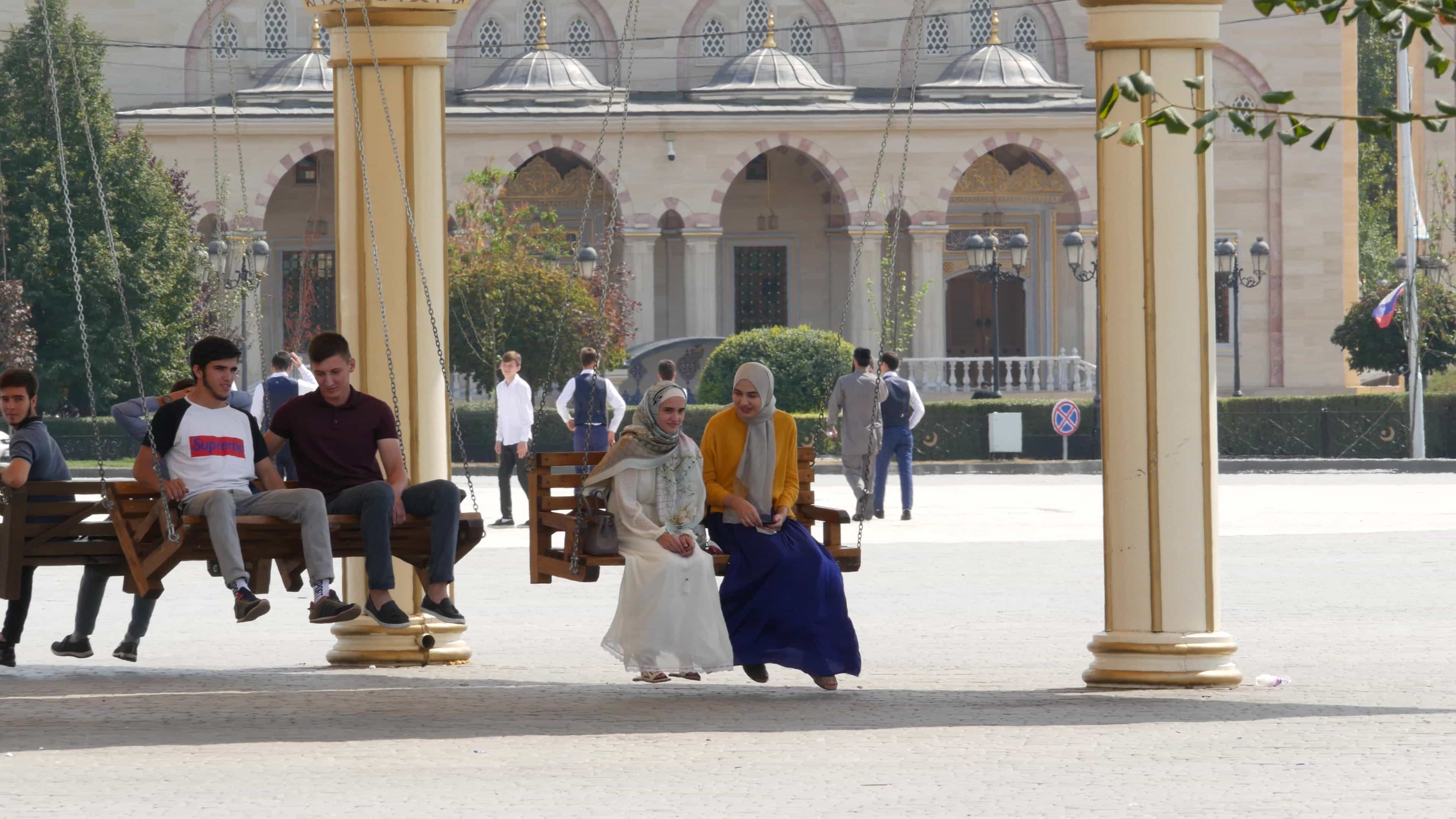
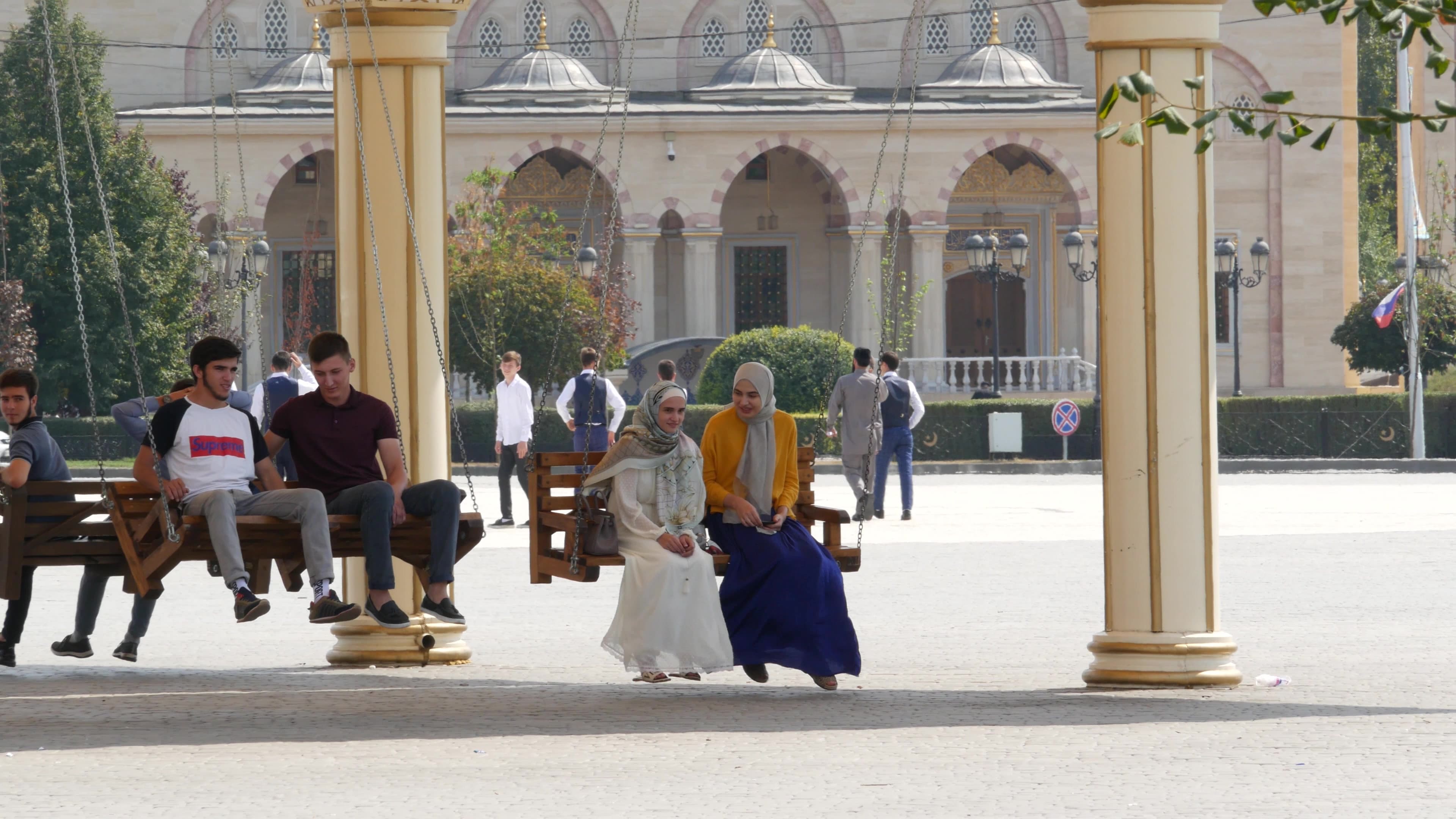
Despite much wrangling over borders or cultural heritage in the face of tragedy, the people of Chechnya, Dagestan, Ingushetia and North Ossetia are coming together to search for the missing or raise funds for the victims of natural disasters. Because their shared history prevails over old grudges.
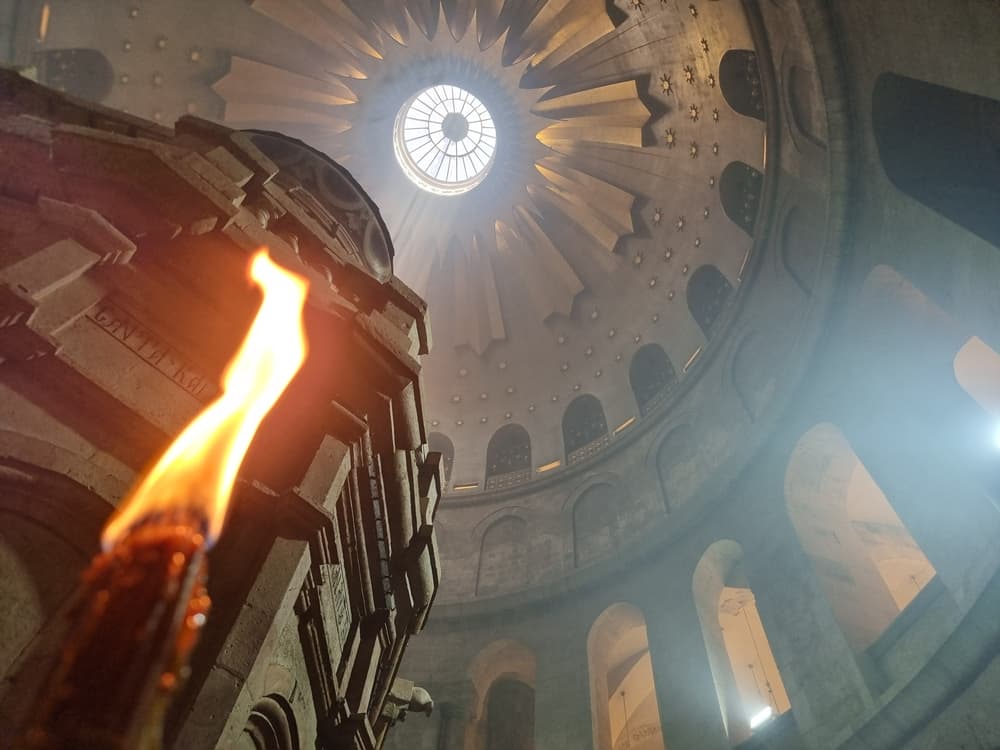
  • Russian Orthodox Christians and the holy Fire of Jerusalem in times of war

    Following the Holy Week celebrations of the Latin Rite Churches, Saturday the 11th will mark the lighting of the Paschal flame, which Orthodox Churches spread throughout the world from the Holy Sepulchre. There is tension over the restrictions imposed on places of worship by the Israeli government. A situation viewed with apocalyptic tones even in Moscow, where in recent years this rite has become central to asserting its primacy.

  • Easter and Soviet Russia's Martyrs

    A Russian online platform is currently broadcasting a series of documentaries entitled ‘The Living Word’, dedicated to great figures of Orthodoxy who were killed in the years following the Bolshevik Revolution. These figures remind us that one can give one’s life for ideals that unite religious faith, evangelical charity and love for one’s homeland – not to destroy the enemy, but to build a new world.

  • Russia’s interests in Hungary

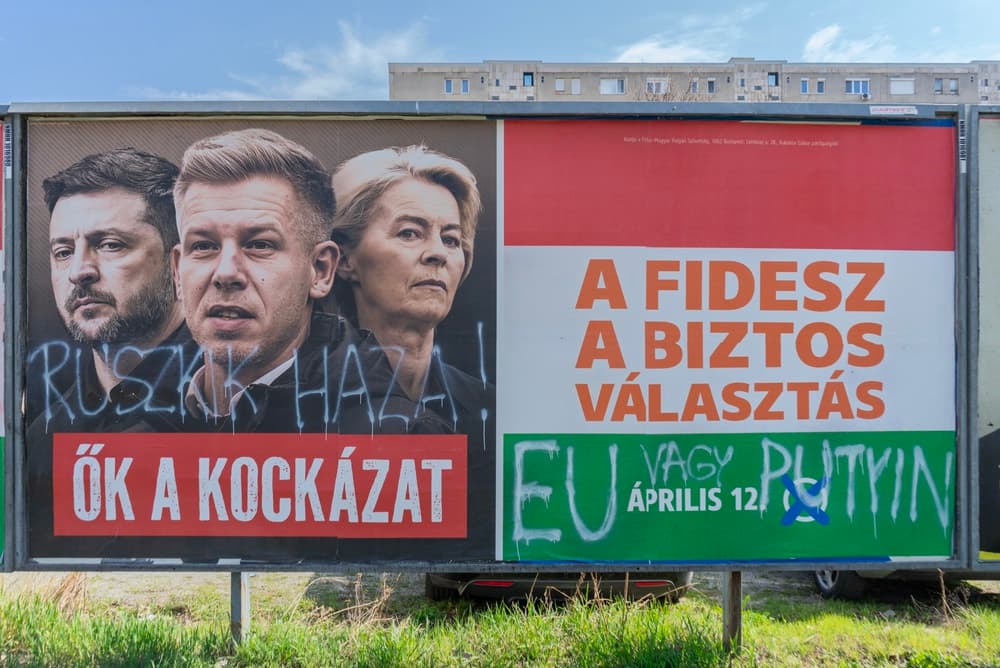
    For the first time, in the upcoming elections on 12 April, Viktor Orbán appears at risk of defeat by his opponent, Peter Magyar. This is drawing particular attention from Moscow, which has so far regarded him as its main ally amongst the countries of the European Union. And Putin has tasked his most trusted adviser with closely monitoring this election.

  • Censorship becomes a business weapon in Russia

    Russia’s “foreign agents” register currently contains over 1,200 individuals and more than 1,500 projects, organisations and titles of various initiatives. Some have managed to have their names removed by striking deals with the authorities to save their businesses and reputations. But there are also those who find themselves on the list without even knowing why.

  • The springtime of Putin's Russification

    Earlier this month, a series of laws came into effect aimed at changing not only the behaviour but also the outlook on life of Russians. Works such as Pushkin's The Bronze Horseman, Gogol's Dead Souls, and Chekhov's satirical tales have been banned from schools because they are "unacceptable for a correct understanding of traditional values."

  • Moscow’s nightmare: Internet blackout

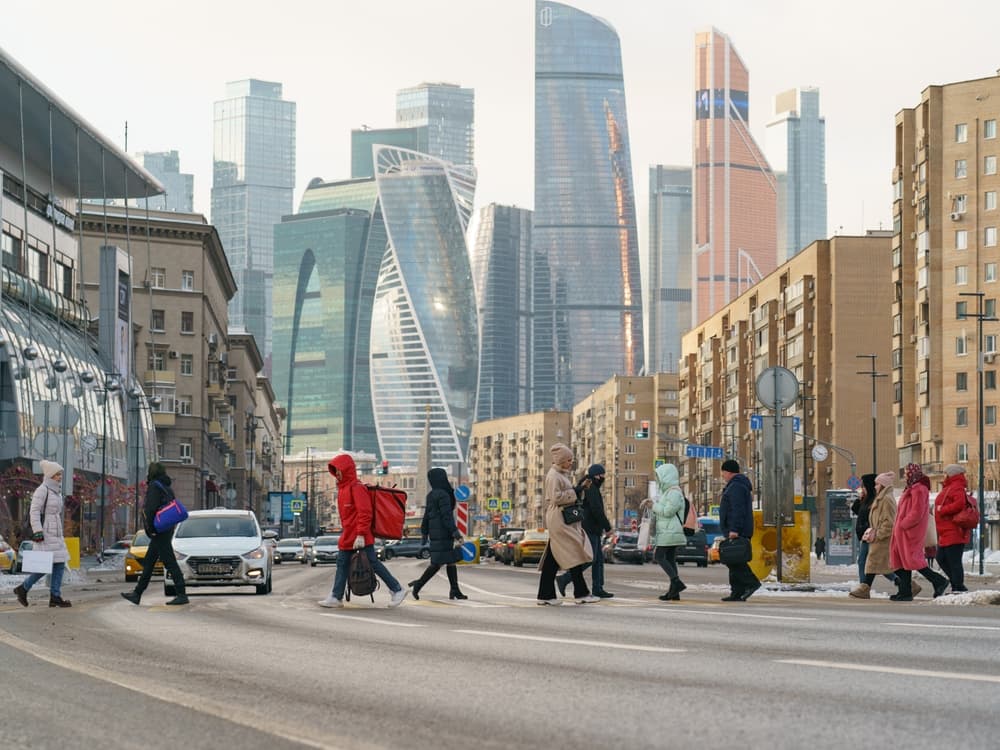
    Since 8 March, the Russian capital has also been hit by mobile network blocks “for security reasons”, causing serious disruption in a metropolis that, until recently, presented itself as a digital capital. There are also glitches in the “whitelists” of apps promoted by the regulatory bodies. And there are neighbourhoods where even home Wi-Fi is not working.

  • Filaret, the man at the heart of the schism between Ukrainian and Russian Orthodox Christians, has died

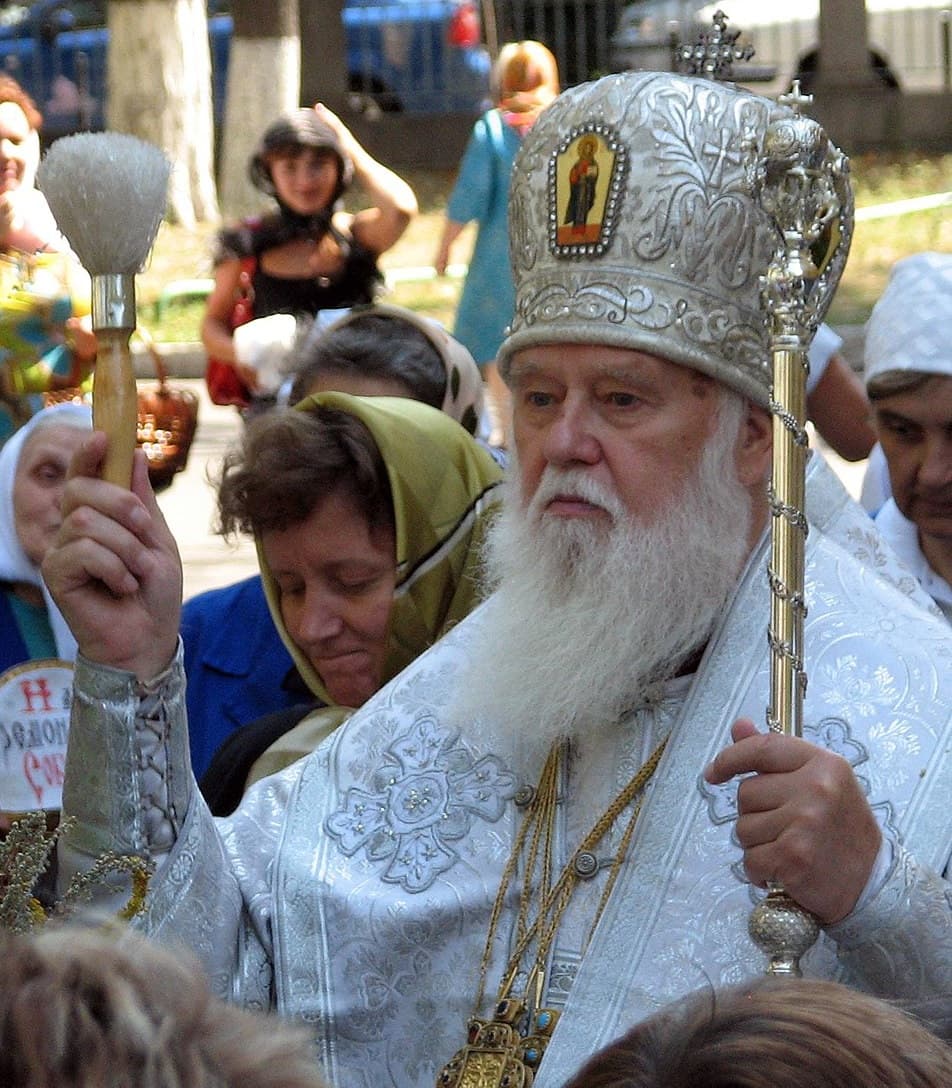
    The Patriarch Emeritus of Kiev has passed away at the age of 98. He had long been described as “the most Soviet of the metropolitans”, but in 1990 he was bypassed by Alexy in Moscow following the death of Pimen. In 1992, he was the first to break communion with the Russians, taking a large part of the clergy with him. Until, during the turbulent negotiations under President Poroshenko, it was Kirill who rejected an agreement, thinking (wrongly) that he could render it irrelevant in Ukraine.

  • Ilja II, Kirill and fifty years of Russian-Soviet history

    The death of the patriarch who had led the Georgian Orthodox Church since 1977 and the fiftieth anniversary of the episcopal consecration of the patriarch of Moscow: two stories celebrated in the ‘Russian world’ as ‘heroism of faith resisting heresy’. Yet they also reveal the continuity between present-day Russia and the Stalinist era.

  • Mammut virus hits Russia’s patriotic messaging app

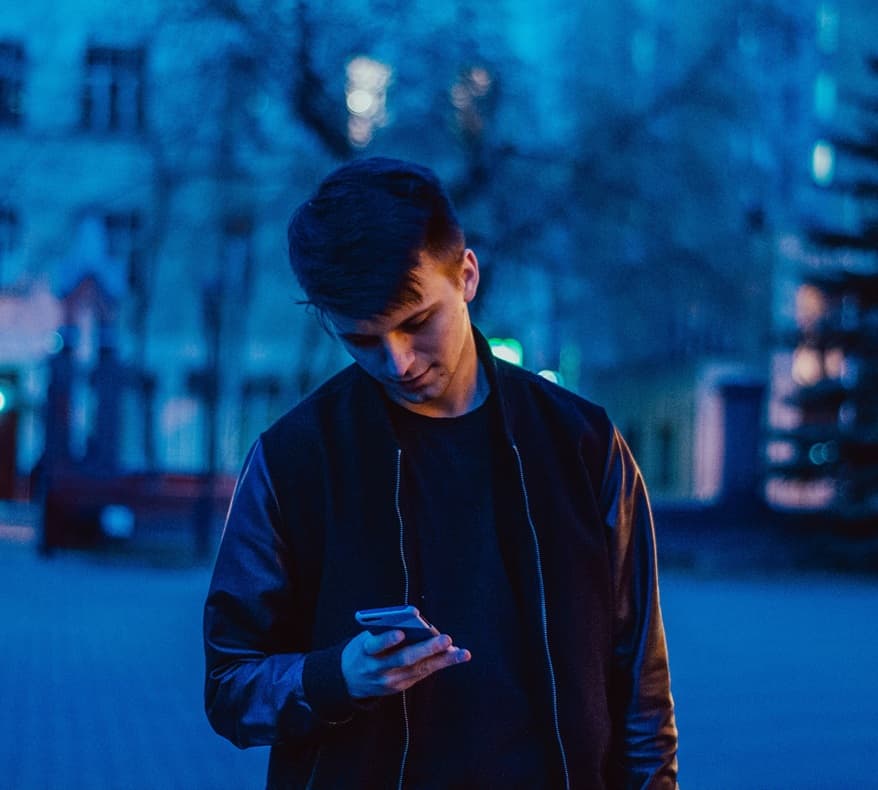
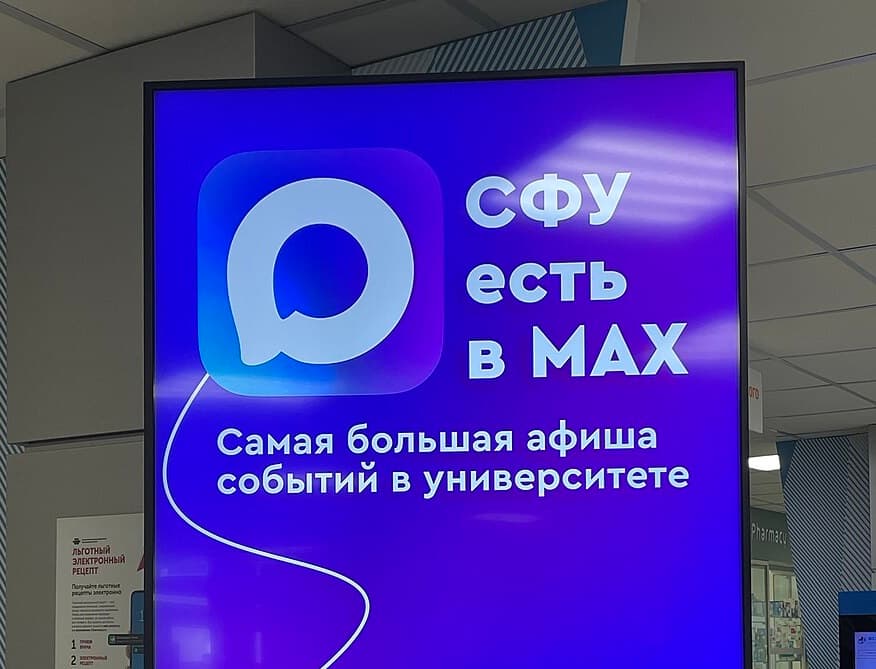
    Even on Max – the messaging system imposed by the Moscow authorities as a ‘secure’ alternative to Western apps – a virus is circulating that steals users’ payment details. According to official figures, there are 100 million user profiles registered on the patriotic chat app, which is mandatory for dealing with public administration. However, knowing that conversations are monitored, many Russians use it on a separate phone.

  • The challenging frontiers of contemporary Russian art

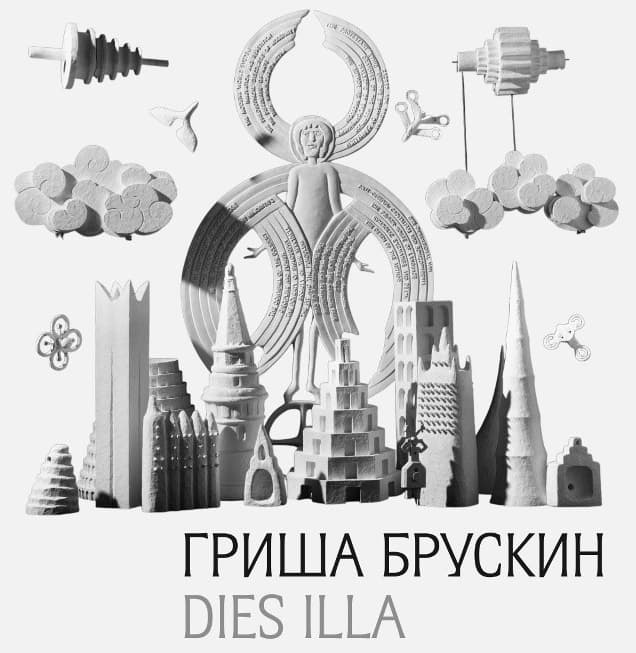
    Whilst the Russian pavilion at the Venice Biennale is causing controversy, there are also works in Russia striving to move beyond propaganda in their reflection on current affairs. This is illustrated by the story behind the exhibition *Dies Illa*, opened by Griša Bruskin at the *Zilart* Museum of Contemporary Art in Moscow.

  • The Russian Empire’s colonial history

    Since 1991 and the Chechen Wars, Russian policy has been an unconditional continuation of what was essentially left unfinished in the 19th century: a form of territorial colonialism (unlike Western maritime colonialism) that continued with the war in Georgia (2008-2011) and the war in Ukraine (since 2014), using the same methods.

AsiaNews Weekly
News from Asia that matters

Subscribe to the newsletter to receive verified news, analysis and insights from Asian countries every week.

Subscribeto the newsletter
  • P.I.M.E. Centro Missionario
  • Agenzia Fides
  • P.I.M.E. Brasil
  • Radio Mondo
  • Mondo e Missione
  • P.I.M.E. U.S.A.
  • TV 2000