Russia

Featured article

Conflicts and solidarity in post-Soviet North Caucasus

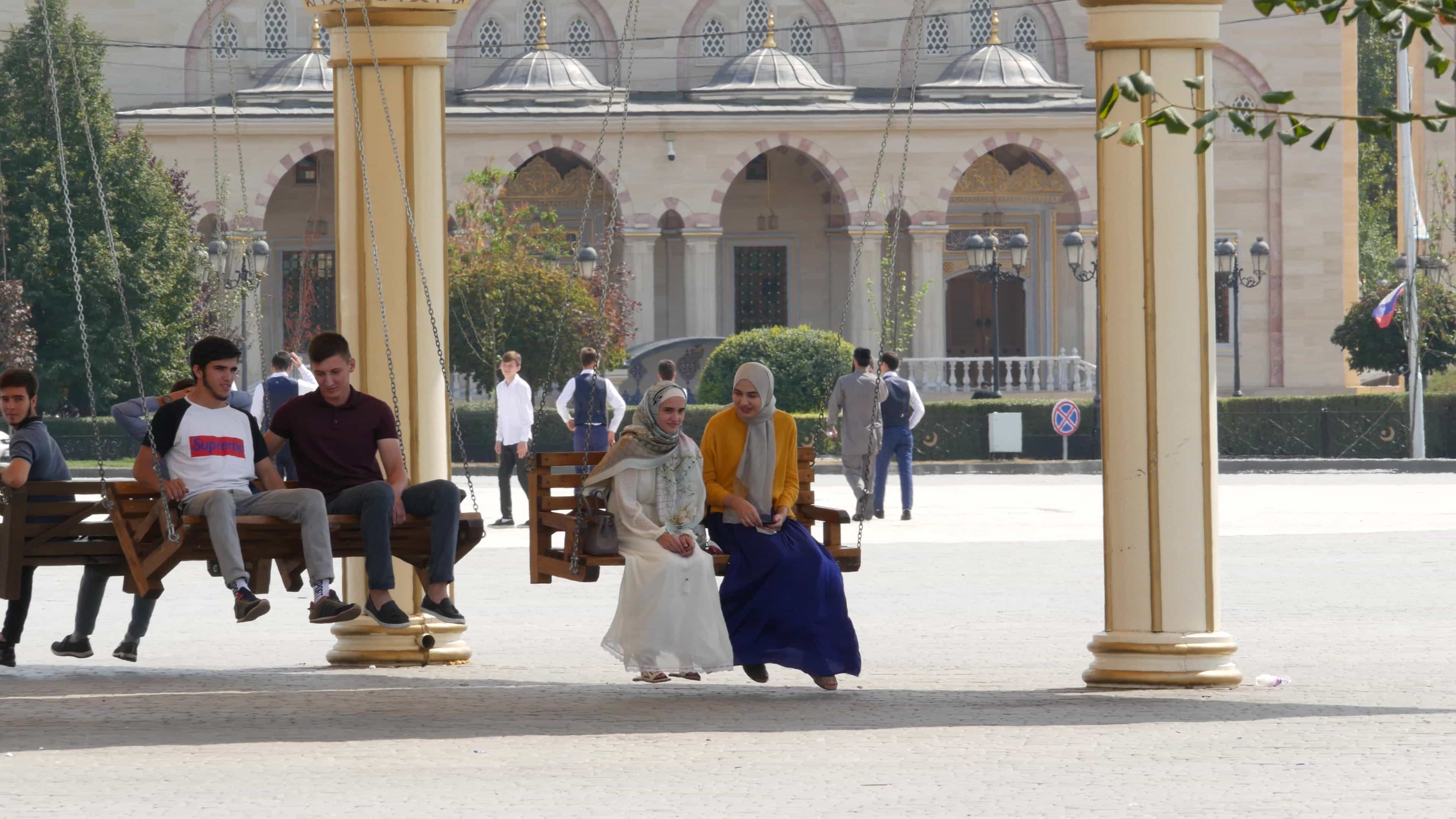
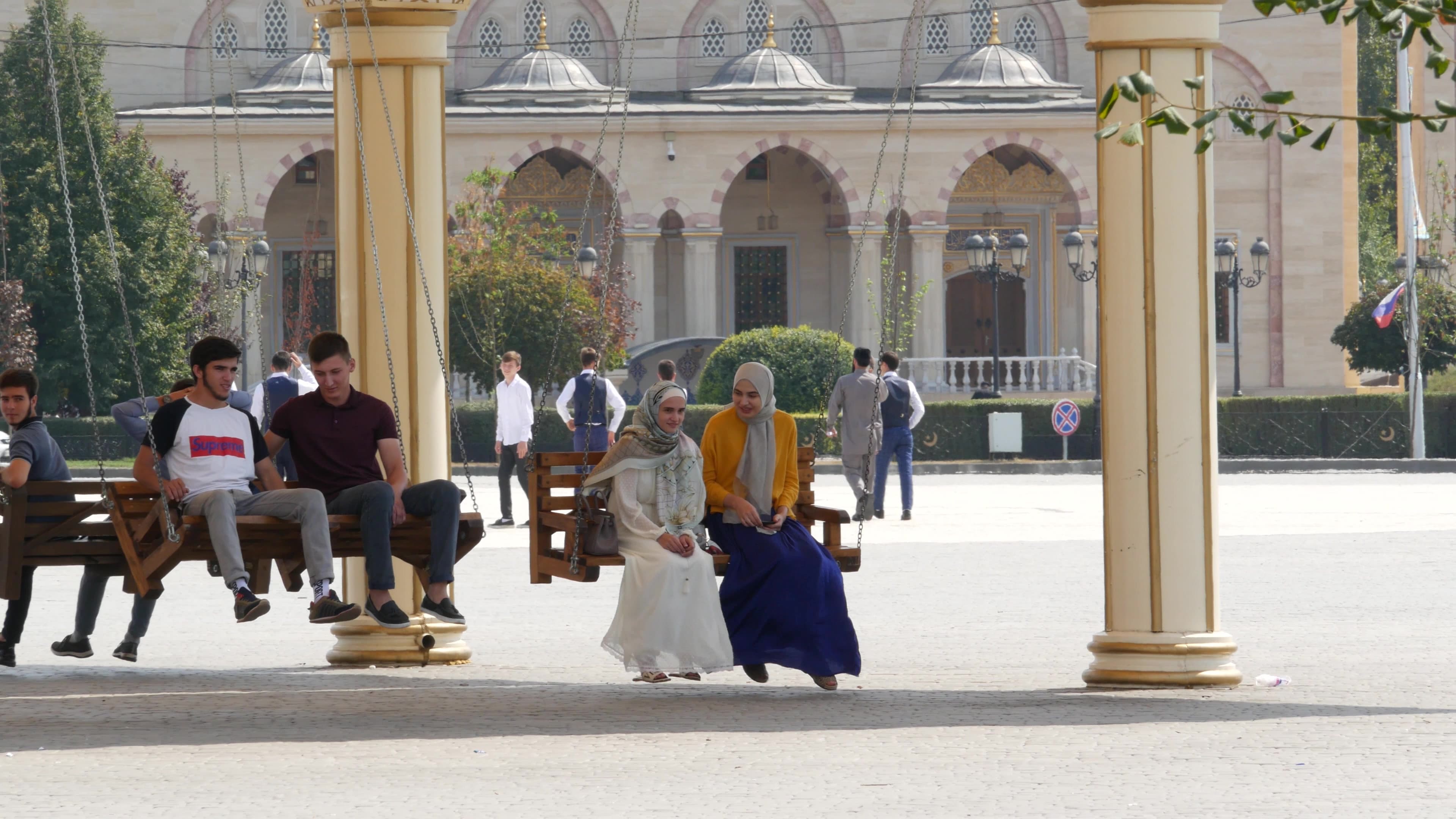
Despite much wrangling over borders or cultural heritage in the face of tragedy, the people of Chechnya, Dagestan, Ingushetia and North Ossetia are coming together to search for the missing or raise funds for the victims of natural disasters. Because their shared history prevails over old grudges.
  • New Russian icons featuring war “heroes”

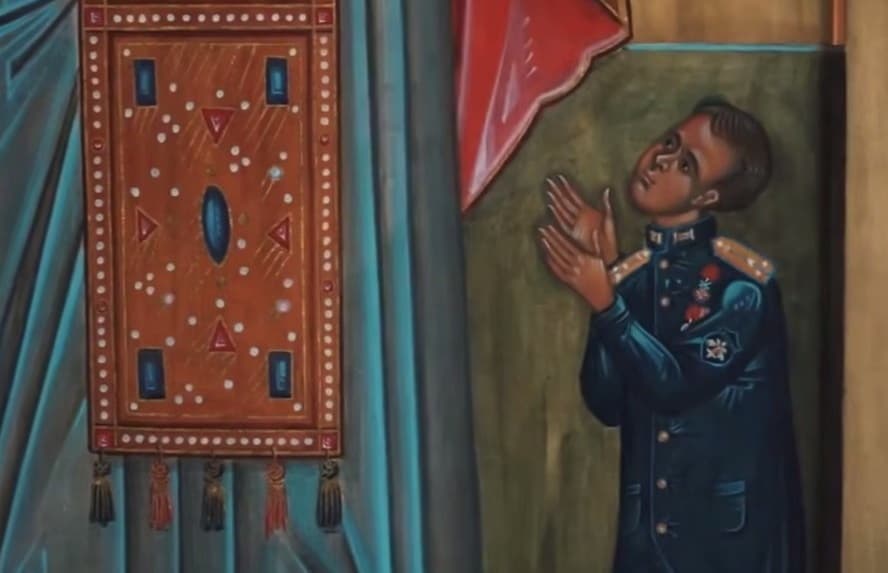
    In the north-western region of Pskov, the governor is sanctifying the “special military operation” with two icons commissioned for a historic cathedral, depicting two local soldiers who died in Ukraine at the feet of great Orthodox patrons. The iconographers justify themselves by saying that by not depicting them as saints, “the dogmatic canons are respected”. Former patriarchate spokesman Chapnin: “They look like images from Stalin's metro”.

  • The advantages for Moscow's economy of the conflict in Iran

    Back in the 1970s, it was the oil crisis that paved the way for cooperation between Europe and the Soviet Union. With the closure of the Strait of Hormuz, Russia can now reduce discounts on the price of its crude oil. Although Brussels, at least for the moment, does not seem willing to ease restrictions on gas imports.

  • The difficult life of Russian war veterans

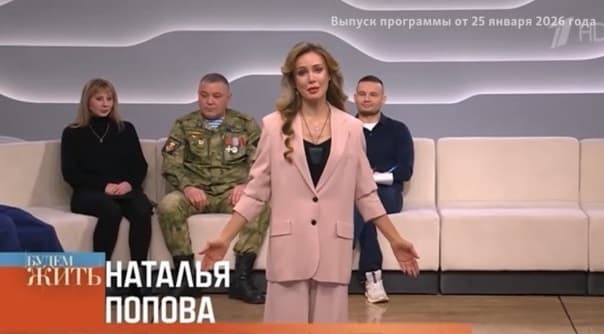
    According to an estimate released in December and immediately withdrawn, 250,000 people have returned from the war in Ukraine and are now looking for work. For them, the TV channel Rossija-1 airs the program Budem Žit, “We Will Live Again.” There is a risk of a repeat of the situation in the 1980s, when the “Afghans” were a long-standing unresolved problem in Moscow.

  • Putin and Russian technologies of the future

    The Russian president visited the annual Forum showcasing the fruits of the labour of researchers and scientists. From synthetic chocolate to portable devices for reading genetic codes, the sovereignist path to the new ‘possibilities’ of tomorrow's world.

  • The sad anniversaries of the new empire

    The peoples of the world are tired of war. Pope Leo XIV's appeals for "humanity to advance towards a genuine and lasting peace" are multiplying, but these calls are heard in very different ways in the various regions of the world devastated by neo-imperial conflicts.

  • Moscow’s New Weapons for Tehran

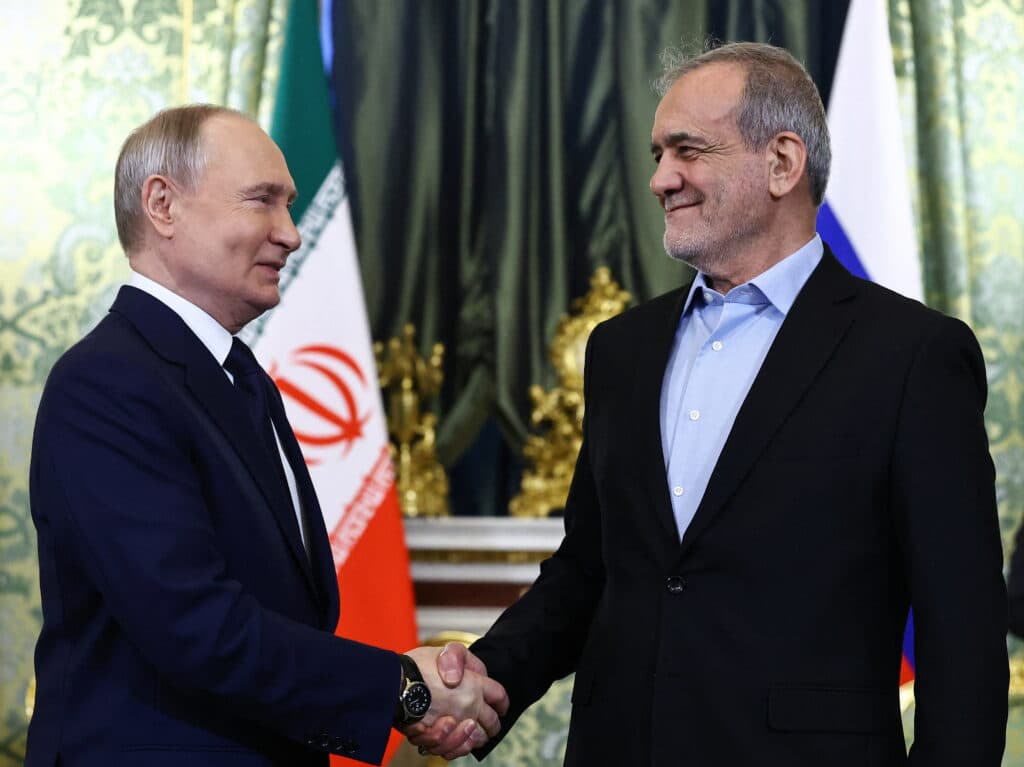
    While the outcome of the negotiations between Iran and the United States appears uncertain, analysts are questioning the impact of the new Russian military supplies to Tehran. These systems are unlikely to shift the balance of power in play, and Moscow would have preferred not to divert them from the Ukrainian front. However, they serve to ease Iranian irritation over the limited support provided, despite the “strategic partnership.”

  • Russia bans domestic prayer meetings

    A new bill under consideration by the Duma seeks to limit the right to hold religious services in private buildings in order to ‘prevent the spread of hostile radical ideas.’ All religious denominations, including the Russian Orthodox Church, are opposed to the bill. Protestant communities would be the most affected, as they have been unable to obtain land to build their own churches since Soviet times.

  • The “slow pace” of the Polar Silk Road

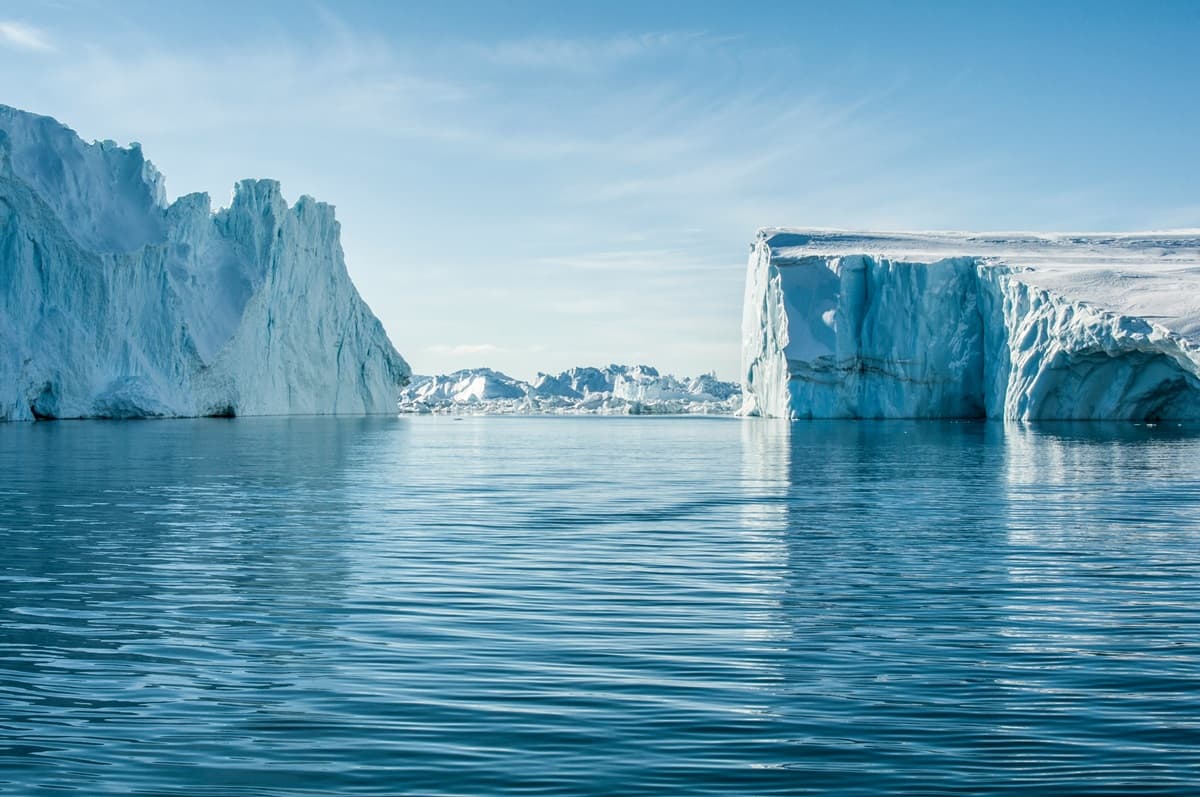
    China has not allowed itself to be drawn into the controversy surrounding Trump's ambitions for Greenland. It is aware that in order to truly realise the “Arctic corridor”, it first needs to organise the logistics, identify viable routes and strengthen relations with Russia.

  • The long history of sanctions against Moscow

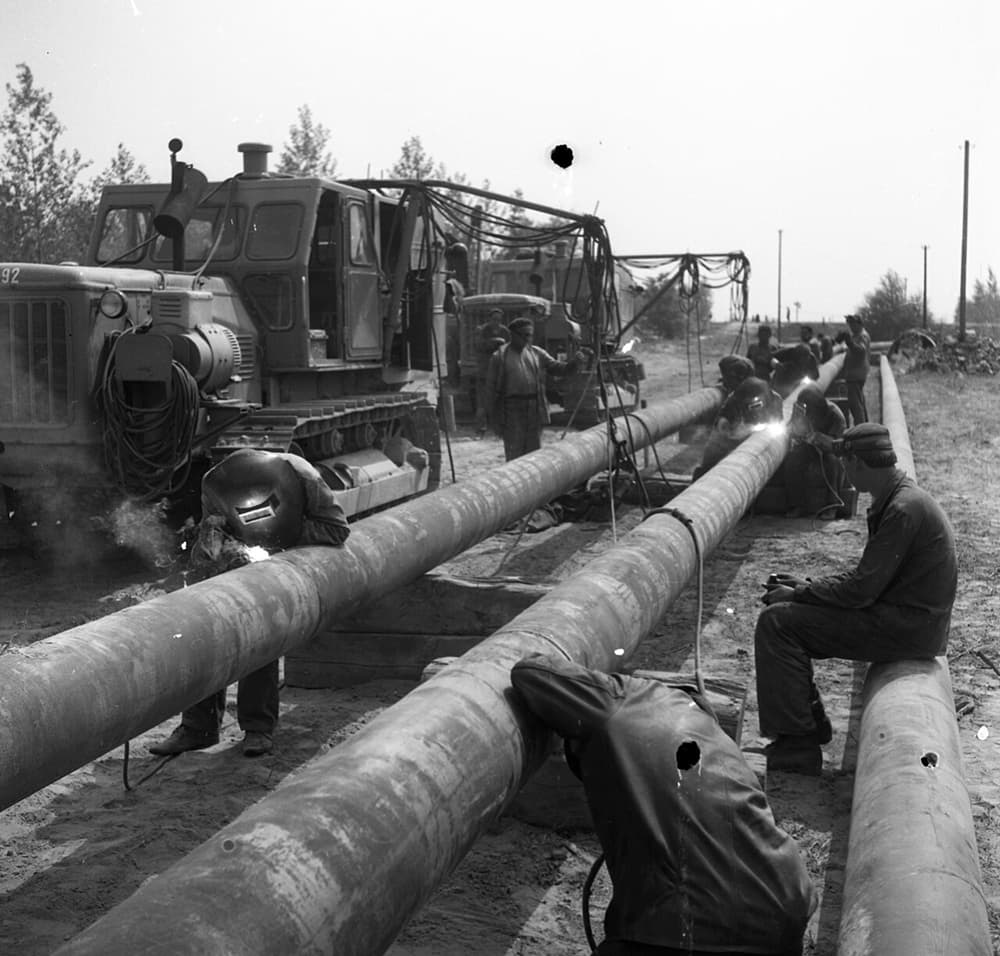
    Four years after the invasion of Ukraine, Hungary and Slovakia's veto has divided the European Union over the twentieth package of economic measures against Russia. This is a new chapter in the long history of sanctions that began in the Soviet era and reached its peak in the 1970s and 1980s. The central importance of the Druzhba (‘Friendship’) oil pipeline inaugurated in 1960.

  • The hybrid war of Prigozhin's heirs

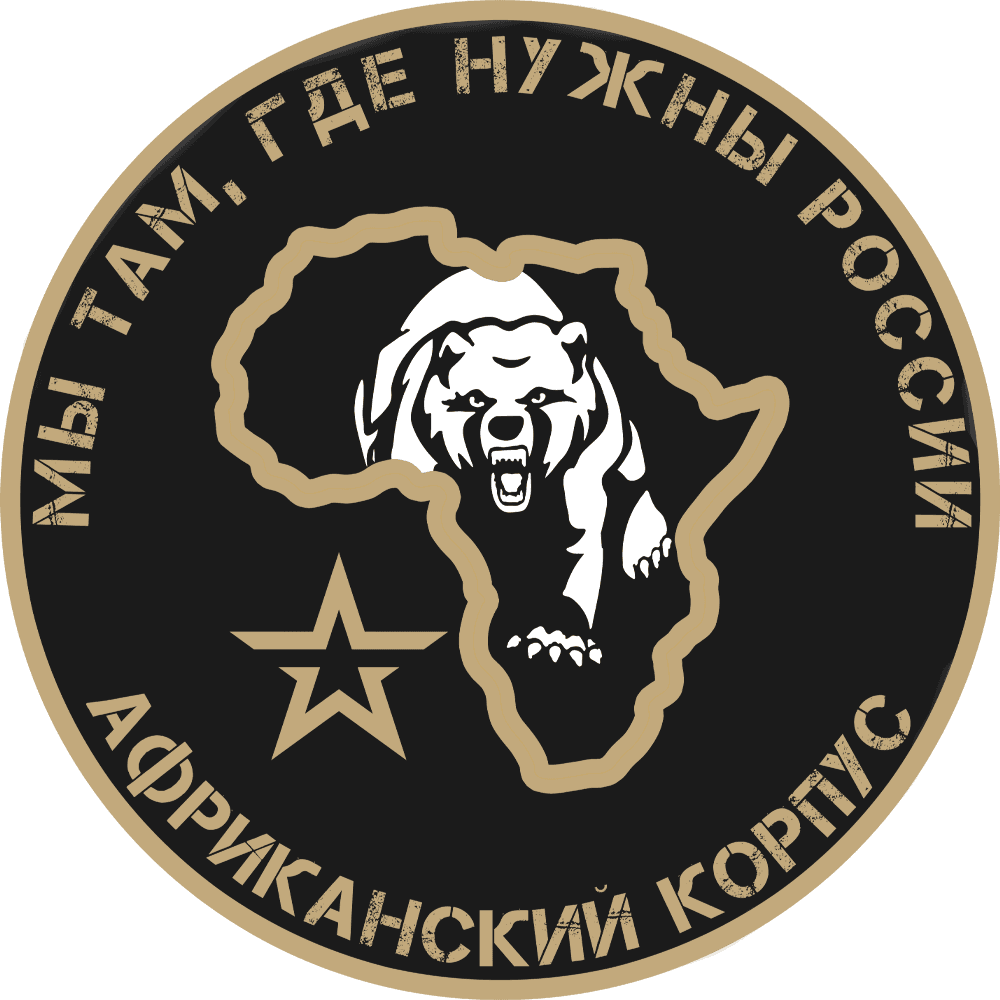
    A group of US Congressmen is pushing for the inclusion of members of the disbanded Wagner company, which has reorganised into smaller groups under the control of the Moscow Ministry of Defence, among foreign terrorist organisations. Among the countries where they are most active are Mali and the Central African Republic.

  • Russia'a war taxes

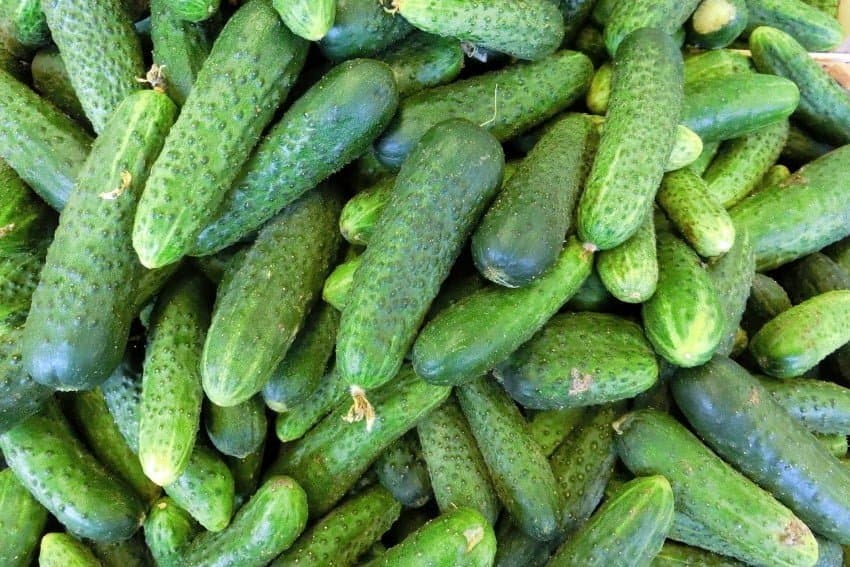
    In 2025, municipal service rates increased by an average of 8-12%, and VAT also rose by 1.7% on January 1. This surge is leading to a sharp increase in the prices of consumer goods, including cucumbers, which are a staple on Russian tables. To stop this spiral, profound economic reforms would be needed, which are impossible with a state budget focused solely on military spending.

  • Militant Russia's neopaganism

    Russians have always lived with dvoeverie, the Christian and pagan "double faith," which appears not only in devotions and liturgical practices, but above all in the people's attitudes towards life's great challenges. This practice is widespread among soldiers sent to Ukraine, who place their hopes of victory in dark spirits rather than in missiles and drones.

AsiaNews Weekly
News from Asia that matters

Subscribe to the newsletter to receive verified news, analysis and insights from Asian countries every week.

Subscribeto the newsletter
  • P.I.M.E. Centro Missionario
  • Agenzia Fides
  • P.I.M.E. Brasil
  • Radio Mondo
  • Mondo e Missione
  • P.I.M.E. U.S.A.
  • TV 2000