Moscow (AsiaNews) – On 27 May, Russia and Afghanistan signed a technical-military cooperation agreement, which provides for the repair of Soviet-made weapons remaining in the Afghan arsenal.
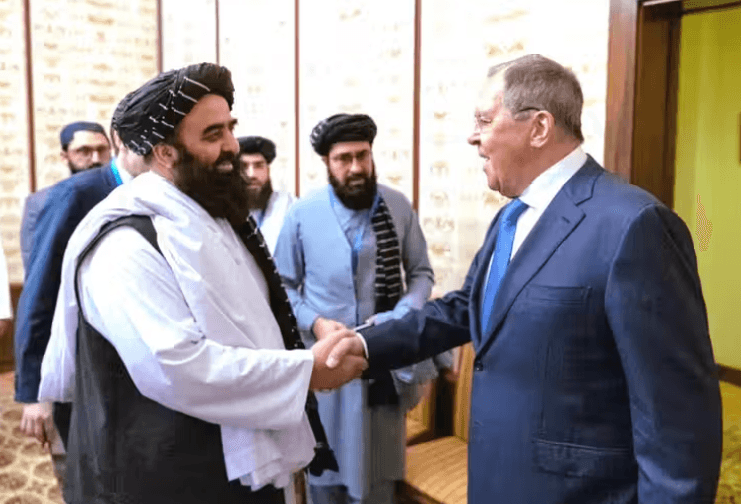
Over the summer, the operation moved into its operational phase. This marks another step forward in the rapprochement between Moscow and the Taliban movement, which seized power in Afghanistan following the withdrawal of US troops.
Russia remains the only country to have officially recognised the Taliban government (China has opted for a pragmatic approach). In itself, the partnership with the group does not bring significant benefits to Moscow, but through Afghanistan it hopes to expand its influence in Central Asia, acting as a guarantor of regional security, and agreements such as the one signed in May allow it to do so at minimal cost.
Details of the agreement are scarce, but it does not appear to involve large arms deliveries or significant investment. From the outside, Russia’s growing ties with the Taliban may seem like a strange decision: the Afghan economy is in serious difficulty after years of war, the Taliban government faces sanctions for violations of women’s rights, and trade between the two countries is limited.
Yet Afghanistan now offers Russia a rare opportunity to expand its external influence; the Taliban are keen on international recognition and security cooperation, and Moscow can offer both.
Since the outbreak of the war in Ukraine, Russia’s ability to project its influence abroad has been significantly reduced. The overthrow of Bashar al-Assad in Syria, the capture of Venezuelan President Nicolás Maduro by US forces, and Armenia’s continued estrangement have dealt severe blows to Moscow’s prestige.
The rapprochement with Afghanistan therefore offers an opportunity to restore, at least partially, its international presence; following the withdrawal of US troops in 2021, Moscow has actively sought to replace the West in the region and become Kabul’s main security partner.
Moreover, Russia and the Taliban began forging ties well before the group seized power in Afghanistan, including through funding from Russian intelligence services.
The May agreement “allows Moscow to establish a long-term presence in the Afghan security sector without significant financial investment”, explains Giuliano Bifolchi, head of the Osint unit at SpecialEurasia.
Furthermore, the two regimes share a rejection of a values-based diplomatic approach; unlike Washington and the West, Moscow does not demand liberal reforms or respect for human rights from Kabul.
Cooperation between Russia and Afghanistan is not limited to the military sphere, although trade between the two countries remains limited: according to Russian authorities, it amounts to around $500 million a year.
Around a tenth of this trade passes through the Russian republic of Tatarstan, which has long been the main regional channel of communication between Moscow and Kabul.
Russia has successfully established contacts with the Tatar communities that have historically lived in northern Afghanistan. Tatarstan supplies the country with Kamaz lorries, petrochemicals and halal products, maintaining links through the Afghan Tatar Cultural Museum in Kabul and the teaching of the language in some schools in the northern provinces.
Taliban representatives have been attending the Kazan Forum in Tatarstan since 2023. In 2026, the event focused on trade and investment.
“Tatarstan has effectively become a channel for effective cooperation between Russia and Afghanistan,” says Eldaniz Gusejnov, co-founder of Nightingale Int., an analysis agency specialising in Central Asia. The expansion of ties between Afghanistan and Russia has also had an impact on trade flows: “Many operators in the freight transport sector note that, under the Taliban regime, the transport of goods has become easier,” adds Guseinov. However, major projects such as the Trans-Afghan Railway, which is expected to run through Uzbekistan, Afghanistan and Pakistan, are still a long way from being realised; the ongoing conflict with Pakistan and the widespread presence of landmines in the country remain significant obstacles.