Moscow (AsiaNews) – On 15 August 2021, the Taliban assumed full control of Afghanistan. Following the withdrawal of US troops, the group’s militants entered Kabul without encountering any serious resistance; President Ashraf Ghani fled the country and the Islamic Republic, which had existed for twenty years, effectively ceased to exist. Five years on, the Taliban still hold power and are rebuilding the state according to their interpretation of Islamic law, Sharia.
During this period, relations between the Central Asian countries and Russia with the new government in Kabul have evolved, shifting from political hostility and serious security concerns to concrete economic cooperation. At the same time, the Taliban’s approach towards their Central Asian neighbours has also changed.
In 2024, Kazakhstan removed the Taliban from its list of outlawed organisations, and Kyrgyzstan also took a similar step. In April 2025, the Russian Supreme Court lifted the long-standing ban on the ‘terrorist movement’, and in July of the same year, Moscow received the ambassador of the new Afghan government.
However, Afghanistan’s seat at the UN has not yet been granted to a Taliban representative and, with the exception of Russia, no country in the world officially recognises its government.
According to Rustam Azizi, an expert on counter-extremism, all these changes stem from an acceptance of the political reality rather than from trust in the Taliban: “This group,” he states, “has consolidated its power and control in Afghanistan for five years now, and in the short term there is no real, strong alternative to its authority and government.”
The threats posed by ISIS-Khorasan and other terrorist groups, drug trafficking, migration, commercial and transit interests, and the decline of the Western presence have forced countries in the region and Russia to move towards pragmatic cooperation. Nevertheless, recognition and cooperation do not mean the disappearance of mistrust and threats.
Rakhmatullo Abdulloev, a Tajik expert on Afghanistan, believes that the rapprochement of recent years is primarily economic in nature and does not extend beyond this sphere: “It is true that over the past two years we have witnessed an improvement in relations between the Taliban government and countries such as Russia, Uzbekistan, Kazakhstan and others, based on economic and commercial interests, but these actions, regardless of their scope and intensity, continue to be conducted with great care and caution.”
In their dealings with Kabul, the countries of the region have adopted two approaches: the active commercial pragmatism of Uzbekistan, Turkmenistan and Kazakhstan, and the much more cautious approach of Tajikistan, the country most closely linked to the Afghans from an ethnic perspective.
From the outset, Tashkent has maintained the Termez–Mazar-i-Sharif route as a commercial gateway to South Asia; Ashgabat has resumed work on the Afghan section of the TAPI (Turkmenistan–Afghanistan–Pakistan–India) gas pipeline; and Astana has become one of Kabul’s main suppliers of cereals.
The countries in the region view Afghanistan primarily as a market for their own products. According to Azizi, “these differences, to a certain extent, make it difficult to form a unified regional position, but Dushanbe’s caution should not be seen as an obstacle to cooperation”.
Tajikistan’s position has not remained unchanged over the last five years, but its general approach – caution – has remained the same. “Tajikistan has moved from open criticism and an emphasis on the need to create an inclusive government to a policy of cautious engagement and practical cooperation. Diplomatic ties, border issues, trade and transit corridors have gradually intensified, but this does not mean complete trust or the abandonment of red lines”, says Azizi.
According to him, the recent clashes in Badakhshan, Afghanistan, and in other areas between the Taliban and resistance forces, as well as localised unrest, demonstrate that northern Afghanistan cannot be considered entirely calm and manageable.
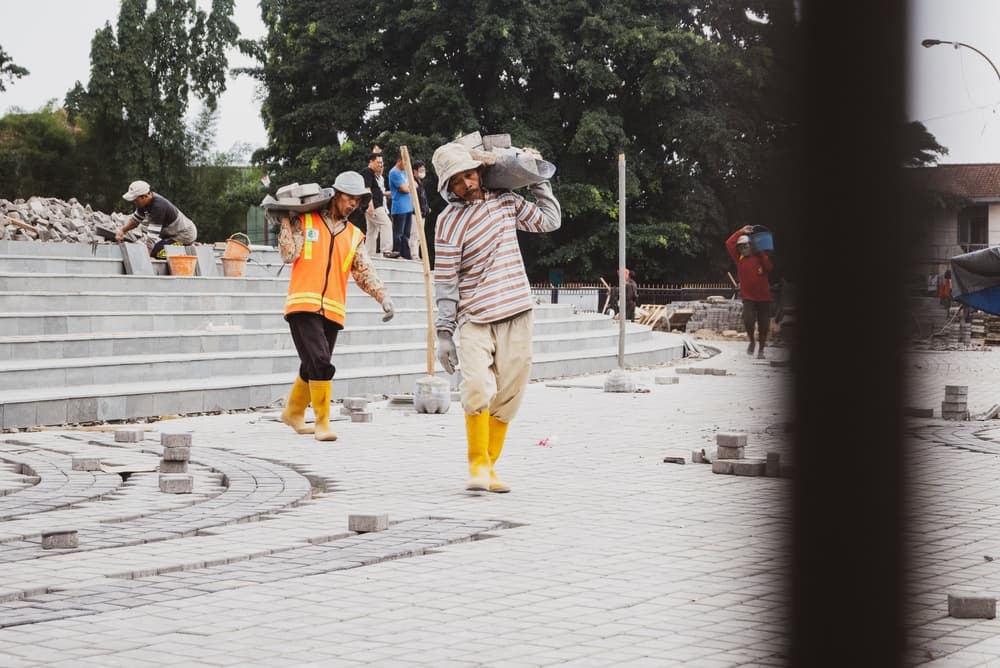
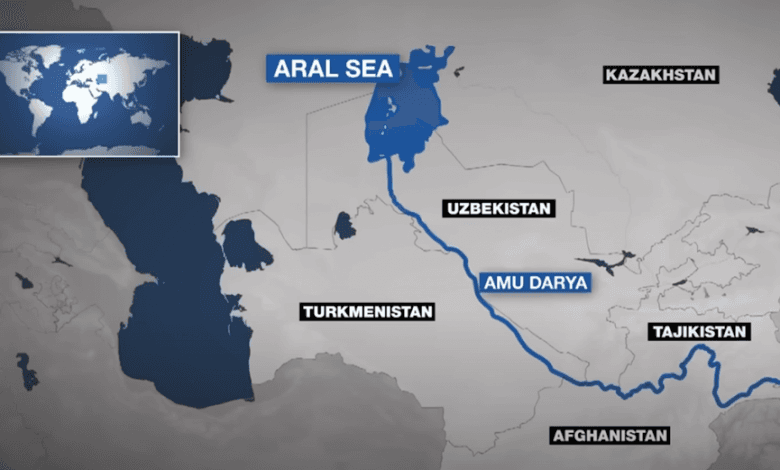
According to Abdulloev, the construction of the Koshtepa Canal (pictured) could become the main issue in Afghanistan’s relations with Central Asian countries in the future: once this project is fully operational, the question of water distribution from the Amu Darya River will arise, and its political, social and security implications could have a serious impact on the region.
Even if the Central Asian states were to recognise the project, this would not necessarily confer international legitimacy, and Azizi observes that “preserving medieval customs, traditions and ways of life will prevent the Taliban from gaining international approval; the backwardness of their ideas and methods of governance is not in line with the standards of the modern world”.