Imphal (AsiaNews) – The situation in Manipur has once again become tense in recent days.
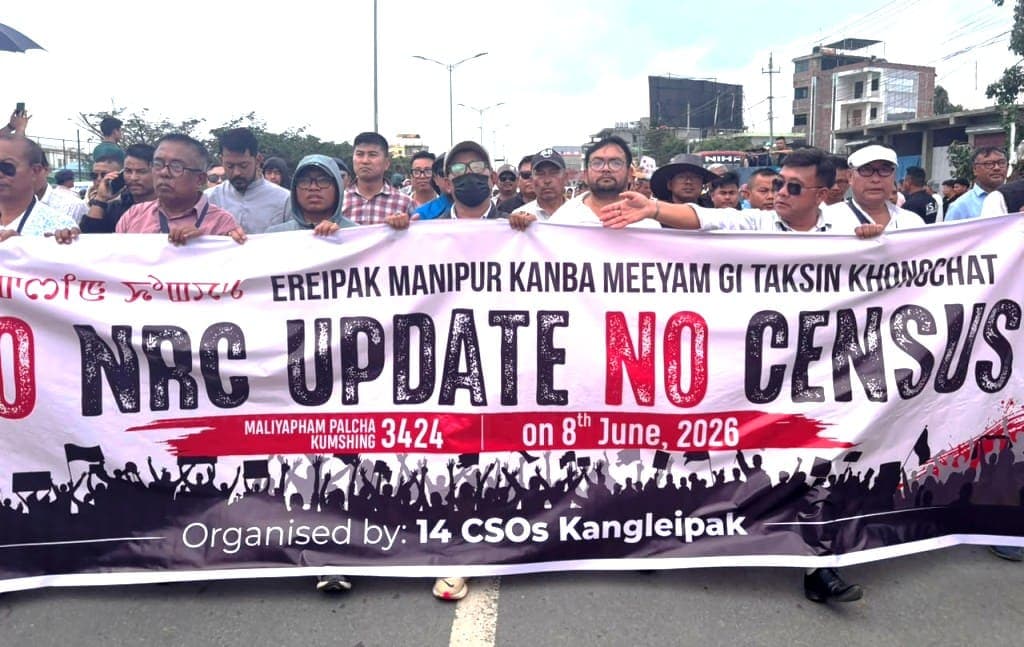
Located in northeastern India, this state has been shaken by ethnic violence since May 2023, primarily between ethnic Kuki-Zo and Naga, with a spiral of retaliatory killings and arson attacks in various villages.
On Sunday, armed men attacked Tollen, a Kuki village in Tamenglong district, killing a married couple, Seineh and Lhingzangai Singsit, inside their home. Their young children were wounded.
That same day, in neighbouring Noney district, Julie Gangte, who was pregnant, and Thangvel Roel Gangte were killed.
Following the attacks, four abandoned Naga houses were set on fire in an act described by security forces as swift retaliation.
Speaking out against these new deaths, the Kuki-Zo Council (KZC) stated that over 22 members of its community have reportedly been killed by armed Naga groups since the start of the year. For this reason, it urges India’s Union (federal) government to intervene decisively.
The Council blames the recent spate of violence to elements of the National Socialist Council of Nagaland Isak-Muivah (NSCN I-M), a Naga insurgent group with which New Delhi has been involved in ongoing talks since 1997, allegedly operating alongside another Naga militias and village guards.
The KZC warns that if armed activities continue, it could trigger a new, large-scale conflict in the state. This fresh violence follows a highly volatile summer marked by a cycle of retaliatory killings between the two communities.
Despite all this, ethnic Kuki and Naga Catholics continue to offer a powerful witness by praying together, as shown in an on-the-ground report by Mathrubhumi News, broadcast yesterday as part of its series Enthokke Kizh? (What is happening?).
The report takes viewers to the Kangpokpi-Senapati area, passing through the Motbung Centenary Gate and the sign welcoming visitors to the Senapati district headquarters.
The journey begins with a stark reminder of the ongoing crisis. Army trucks, armoured vehicles, and barbed-wire checkpoints line the roads to Senapati as security remains heavy while the interethnic conflict continues to pit communities against each other and restrict normal movement.
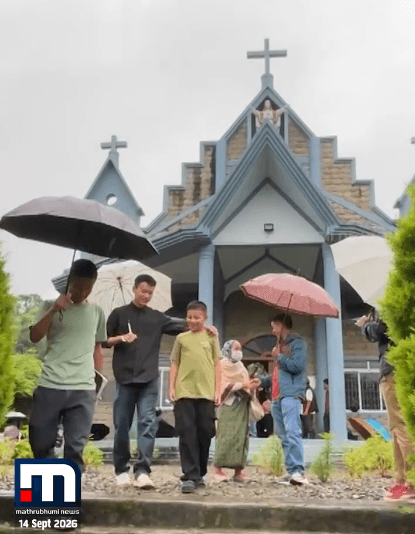
On a rainy Sunday, however, the report took viewers inside St Francis de Sales Catholic Church in Kangpokpi, where the atmosphere is strikingly different from the tensions outside. Here, Kuki and Naga Catholics are gathered under the same roof for Sunday Mass, sitting, pray, and approaching the altar together.
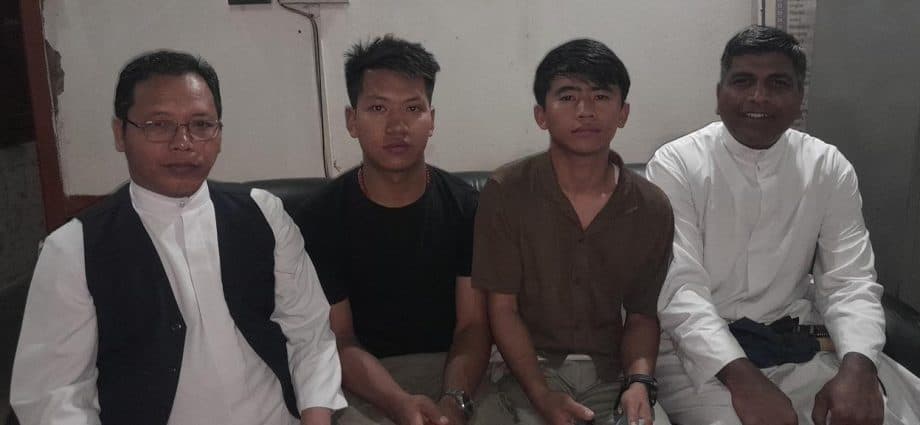
The priest celebrating the Eucharist is from Kerala. Nuns, families, and children share the same space, while altar servers in red robes assist with the liturgy.
Speaking to Mathrubhumi News, the parish priest explains that both Kuki and Naga worshippers continue to attend the same church. Amidst the conflict, the parish, he says, has become a place where people from both communities can sit together and pray for peace. The church, he explains, strives to be a sign of unity and reconciliation.
Although people have suffered greatly, their faith keeps them united. In a region where fear, displacement, and retaliatory violence have carved deepening intercommunal divisions, the Eucharist unites people as one body in Christ.
Outside, people are separated by the reality of ethnic conflict; inside, Kuki and Naga families sit in the same pews. Above the church, a statue of Jesus with open arms offers an almost perfect image of what is unfolding: a community keeping its doors open when everything around has become divided.