Balaghat (AsiaNews) – According to an article published by Dainik Bhaskar, more than 20 tribal boys and girls died in Balaghat, raising serious concerns about government indifference. Five days ago, Adivasi organisations called a general strike.
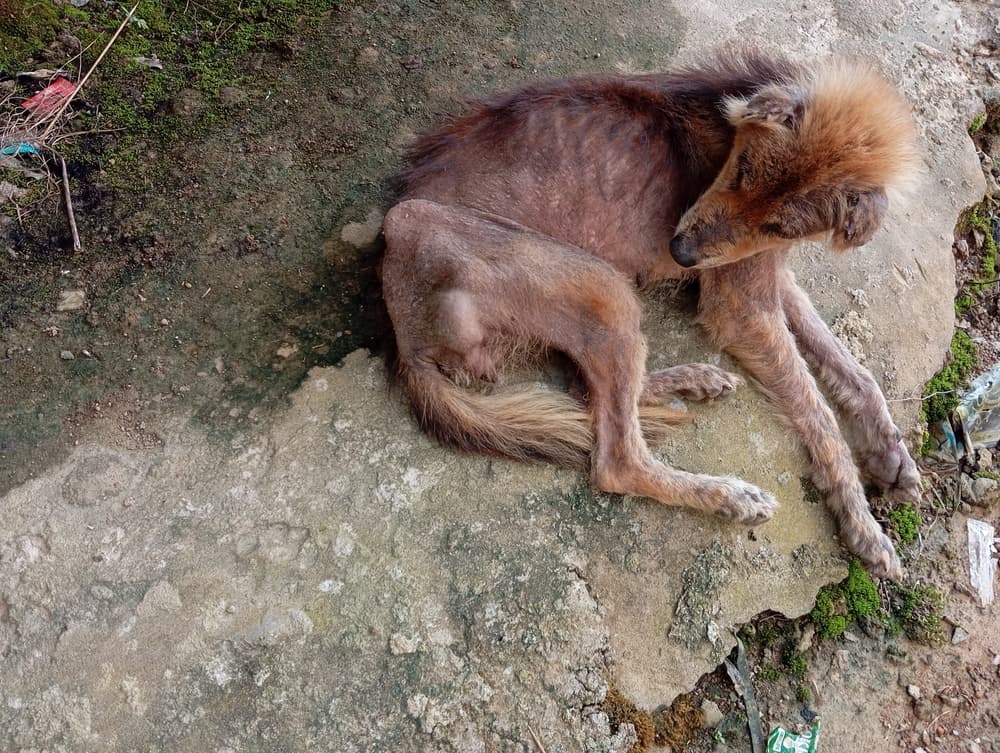
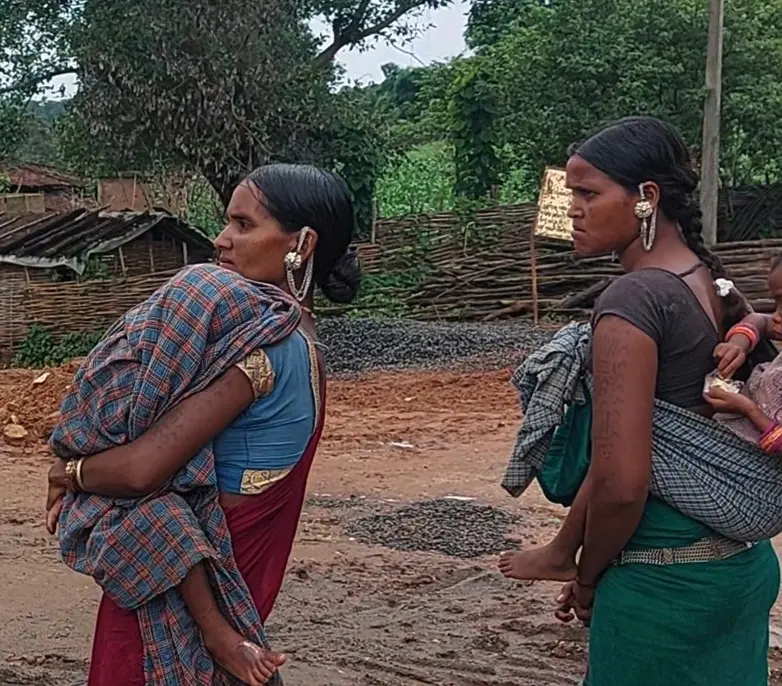
Reports from Balaghat point to a serious outbreak of illnesses among children, particularly in villages inhabited by the Baiga tribal community.
Hundreds of children were reportedly hospitalised in recent weeks, while several deaths have raised urgent questions regarding access to early diagnosis, nutrition, transportation, and timely care.
A crisis with many causes
The emergency is not simply about identifying a specific disease. A government assessment identified several contributing factors, including measles, malaria, co-infections, respiratory distress, dehydration, malnutrition, anaemia, and shock.
In other words, the tragedy reflects the cumulative effects of poverty, isolation, and inadequate access to healthcare, rather than a single medical cause.
Geography makes the challenge particularly daunting since Birsa is located in the largely forested, tribal-dominated area of Balaghat.
For families living in isolated villages, reaching a healthcare facility can be a barrier in itself.
Previous reports of the crisis noted that healthcare officials were informed about some deaths only after several children had already died, while medical teams faced difficulties locating sick children and convincing families to take them to the hospital.
Since then, the authorities have strengthened monitoring, door-to-door visits, malaria testing, vaccinations, treatment, and the referral of serious cases to specialised facilities.
For the district administration, community and primary healthcare centres are key elements of the local healthcare network.
Church presence among the Baiga and Gond communities
There is another important aspect to the history of healthcare in Balaghat: the long-standing presence of the Catholic Church among the tribal population.
The Catholic mission in Garratola, Birsa, boasts a history dating back several decades.
The Archdiocese of Nagpur registered Garratola as a mission in 1970, with surrounding villages and tribal communities connected to it, served by priests, the Montfort Brothers, and the Sisters of the Good Shepherd.
Its history is particularly relevant to the current crisis, as healthcare has been part of the mission since its earliest days.
According to the Archdiocese, Father Cyril Lobo, pioneer of the Garratola mission, learnt basic medical knowledge and began treating members of the Gond community with medicines.
He later worked with the Katra hospital to establish a clinic that served as a branch of the hospital. The mission became known locally thanks to this combination of pastoral service and practical assistance.
However, this is no substitute for an efficient public healthcare system, nor should Church initiatives be expected to shoulder alone a responsibility that primarily falls to the state.
However, in places where the nearest hospital may be many kilometres away, a trusted local mission can become an important bridge between vulnerable families and professional medical services.
The Church's presence is not limited to Garratola. Catholic missions and religious congregations have spent decades building relationships with tribal communities through education, social work, women's groups, and healthcare.
Necessary cooperation
The current crisis should spur closer cooperation between government healthcare authorities, tribal communities, civil society groups, and Church institutions already active in the field.
The state must ensure the availability of doctors, medicines, diagnostic tools, ambulances, nutrition programmes, and functioning primary and community healthcare centres.
District authorities recognise the importance of healthcare in remote areas and run a network of community and primary healthcare facilities. At the same time, Church organisations can offer something equally important: closeness and trust.
The Church's mission is not simply to build institutions. In remote tribal communities, its witness has often meant accompanying people through daily difficulties, such as poverty.
This is why the tragedy of the Baiga children should not be yet another breaking news. Instead, it should lead to a sustained effort to bring healthcare closer to the villages, strengthen nutrition and prevention, and ensure that no child dies because relief efforts come too late.
In Balaghat, the Church is already present in many of the most affected communities.