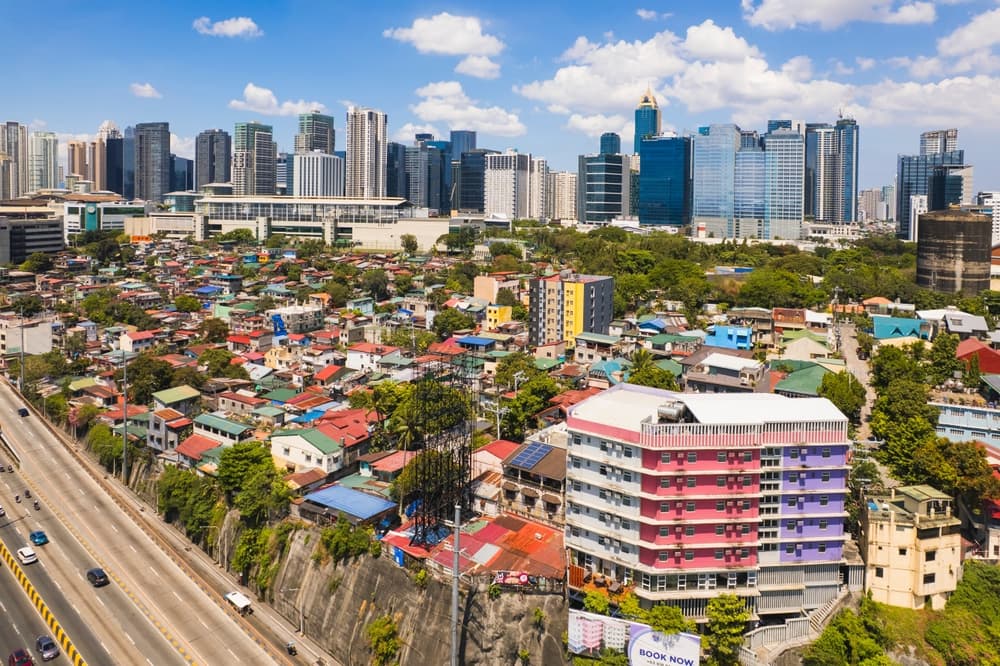
Hanoi (AsiaNews) – The right to housing and rising property costs have once again become pressing issues in Europe as well as in several Southeast Asian countries, with homes sitting empty because no one can afford to buy them. In fact, even as young workers and families struggle to find affordable housing, the inventory of unsold real estate continues to grow.
Thailand
According to the Kasikorn Research Center, the number of unsold residential units nationwide in Thailand could exceed 610,000 by 2026, a 4.5 per cent increase over the previous year. This includes both new homes and second-hand properties put on the market by private owners, financial institutions, and asset management companies.
More than half of this stock, over 310,000 units, is in Bangkok and its metropolitan area. And over 60 per cent of these unsold homes are priced below three million baht (approximately US$ 88,800).
This segment includes properties aimed at individuals with low-to-middle incomes. However, the high number of units in this category does not automatically mean they are affordable; buying a house depends on factors such as the ability to secure a mortgage, disposable income, and the property's location in relation to workplace and essential services.
For this very reason, household purchasing power remains fragile according to the research centre.
Vietnam
In Vietnam, according to data from the Ministry of Construction, approximately 39,300 properties in residential projects went unsold in the second quarter of 2026.
Of these, more than 12,800 were flats, up 22 per cent over the previous quarter and nearly four times the level recorded during the same period in 2025. Individual homes accounted for over 15,300 units, while land plots totalled approximately 11,100.
These figures are based on reports from 25 of the country’s 34 provincial-level localities, and do not include all unsold homes on the secondary market, nor do they account for properties in unfinished projects.
In the third quarter, the situation remained challenging. The inventory reported by developers across 27 of the 34 localities reached approximately 51,950 units, both homes and land plots, up from the previous quarter.
According to the Vietnam Association of Realtors, about 48 per cent of the flats brought to market in the third quarter were priced between 70 and 100 million dong (US$2,707 to US$3,867) per square metre.
Another 23 per cent fell into the 100–200 million dong per square metre (US$ 3,870–7,740).
Experts note that this trend does not necessarily align with the housing needs of families; in recent years, real estate developers have focused on driving up prices, while local governments have increasingly relied on land sales to generate additional revenue.
Philippines
In the Philippines, part of the problem is linked to properties left behind by offshore online gambling operators, known as POGOs, which had fuelled rental demand for condos and prompted some investors to purchase real estate, counting on future gambling-related revenue to cover their payments.
According to Joey Roi Bondoc, research director at Colliers Philippines, developers completed nearly 14,000 condo units annually between 2017 and 2019. By contrast, between 2027 and 2029, the number of new units completed is expected to be around 6,000 per year.
In Metro Manila, both the total supply and the number of vacant, unsold units are rising, albeit at a slower pace. According to the consultancy firm Leechiu Property Consultants, the number of unsold condo units reached a record high of 82,900 in the second quarter of 2026.
At the current rate, it could take some 34 months, nearly three years, to clear the existing inventory. In the first half of the year, 4,900 new units entered the market, while about 14,500 units were absorbed.
Colliers reports that more than 40 per cent of the approximately 32,600 unsold units, categorised by the firm as completed flats ready for turnover in Metro Manila, fall within the price range of 3.6 million to 7 million pesos (US$ 56,235 to US$ 112,470).
To buy a home of this value, a buyer would need a monthly income of at least 70,000 pesos, or US$ 1,090, which is 2.4 times the average monthly salary in Metro Manila. According to the Philippine Statistics Authority, the average salary was 29,310 pesos in 2024, around US$ 460.
Furthermore, Colliers forecasts that the vacancy rate for residential properties in the capital could reach 25.6 per cent by the end of 2026.
Malaysia
In Malaysia, available data track completed housing units that remain unsold, an indicator that reveals which properties stay on the market after construction is finished.
According to information from the National Property Information Centre (NAPIC), as cited by the Ministry of Finance, there were 33,094 such units in the first half of 2026, with a total value of 17.78 billion ringgit (approximately US$ 4.3 billion). This figure represents an increase from the 30,471 units recorded in the second half of 2025.
Notably, this phenomenon is not limited to high-end properties: 12,340 units, 37.3 per cent of the total, are priced at or below 300,000 ringgit (approximately US$ 73,300).
Meanwhile, the average price of a home stands at 506,317 ringgit (roughly US$ 123,000). Flats and condos account for 42.8 per cent of these completed but unsold units, followed by terraced houses, which make up 34.9 per cent.
The availability of properties in a more "affordable" price bracket does not necessarily resolve the challenge of buying a home, particularly when it comes to providing a down payment, securing financing, and covering other costs associated with property ownership.
For a home priced at 500,000 ringgit (about US$ 122,000), financed with a mortgage covering 80 per cent of the price, a buyer would need to have 100,000 ringgit (approximately US$ 24,500) available for the initial down payment. There are also legal fees, transfer taxes, and potential renovation costs to consider, experts told the South China Morning Post.
Governments in Southeast Asia have sought to bridge the gap between property prices and incomes, through, among other things, measures aimed at the self-employed and individuals without a fixed income.
To address the root of the problem, observers note, it would also be necessary to tackle the conditions that make it more profitable to build expensive homes rather than meeting the needs of families and young workers.