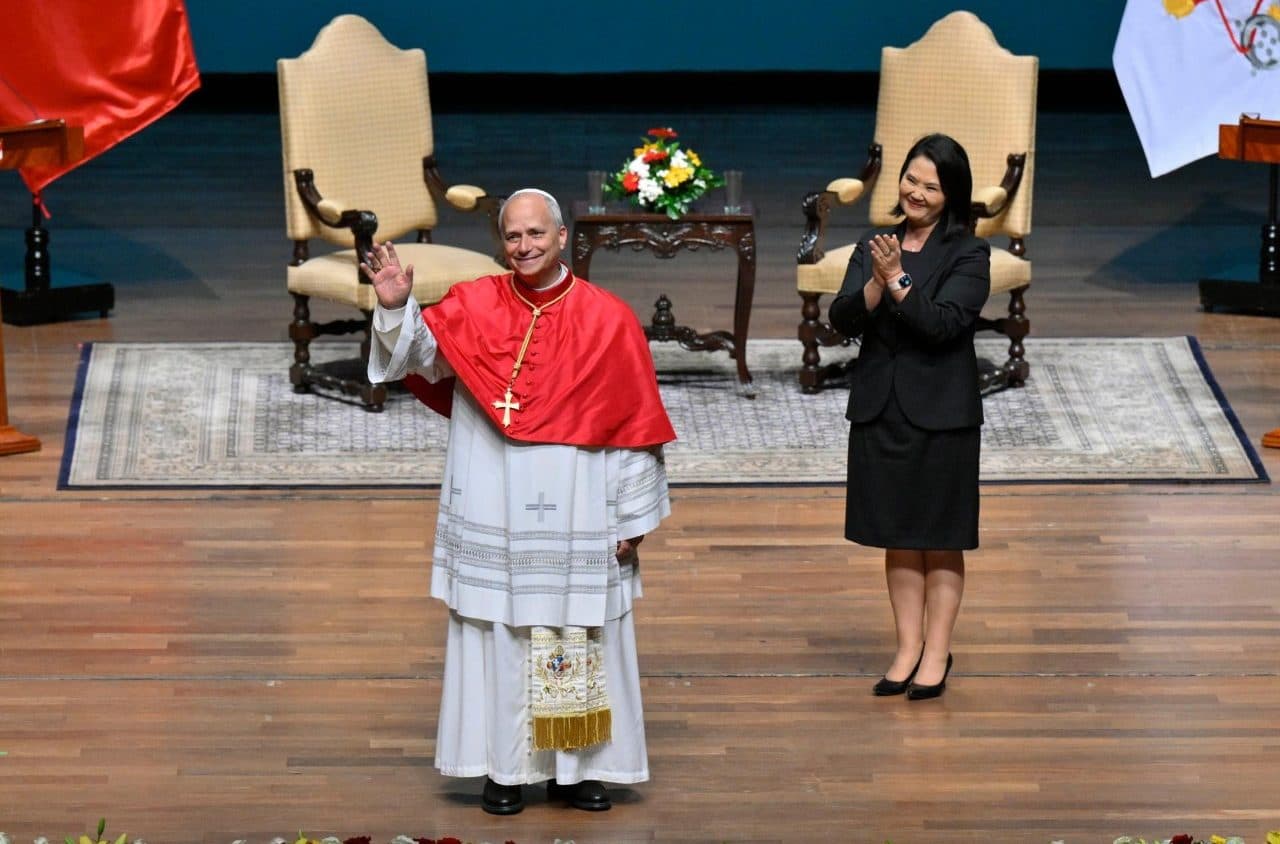
Lima (AsiaNews) – Pope Leo XIV has finally come back to his "homeland", Peru, where he was once known simply as "Father Roberto”, and where he lived for more than 20 years, serving as an Augustinian missionary and as the bishop of Chiclayo.
This final stop on his apostolic journey in Latin America, which follows visits to Uruguay and Argentina and will conclude on 16 November, holds a deep, personal significance for both the pontiff and the Peruvian people.
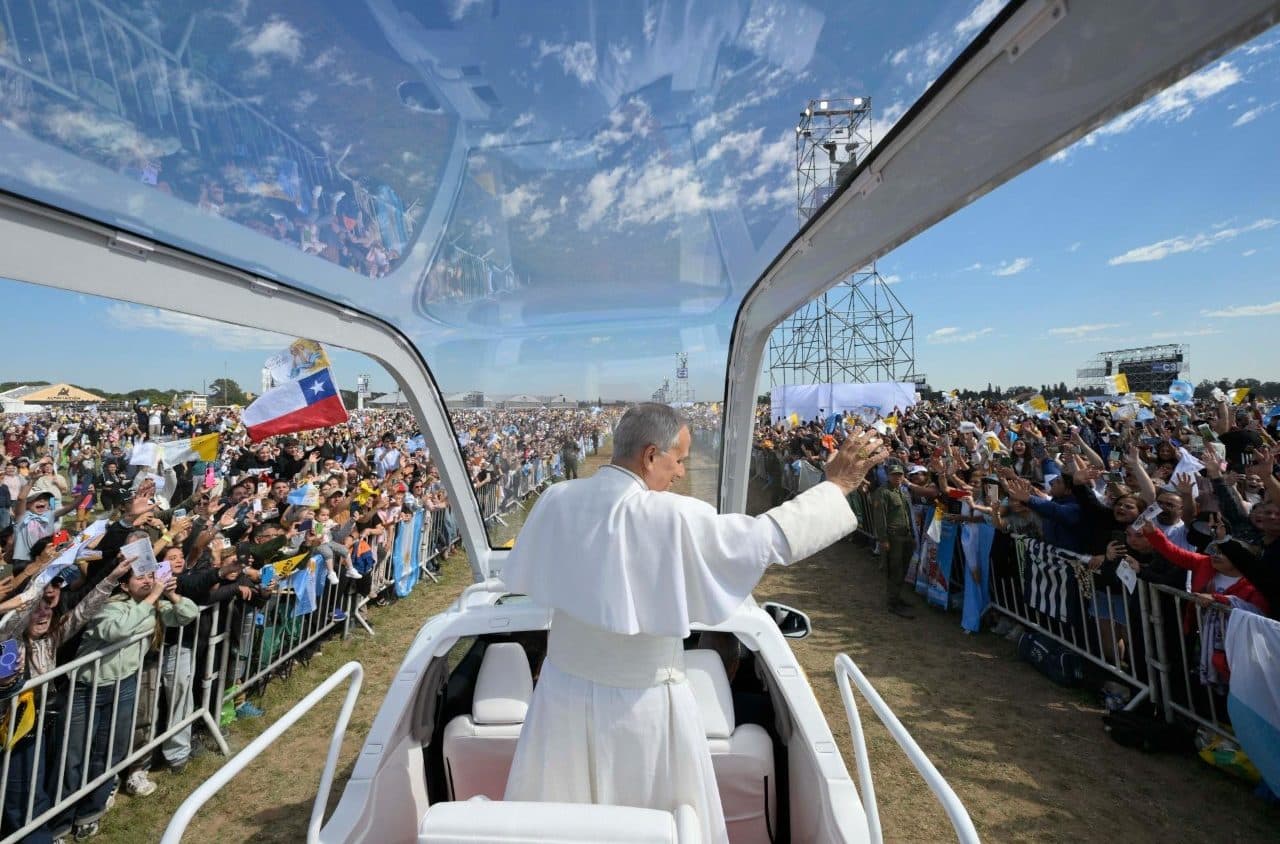
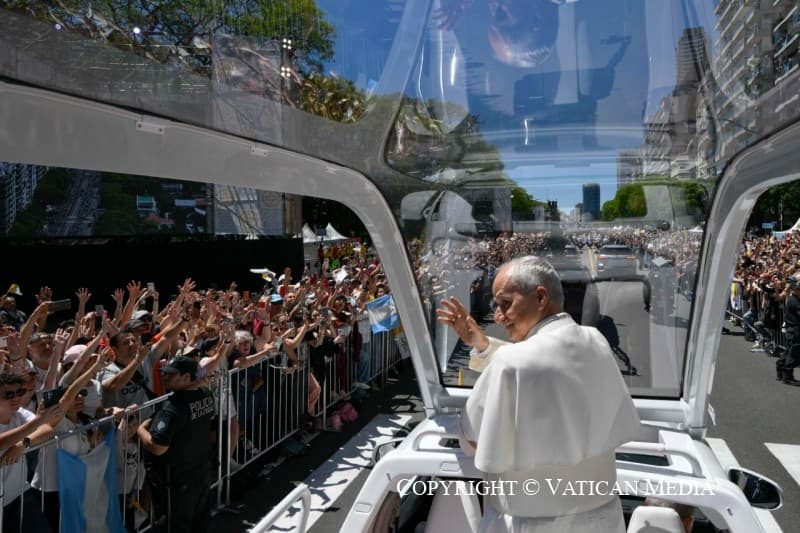
In Lima, an estimated three million people turned out to welcome him, lining the streets or watching from their windows as the Popemobile drove by, following his arrival yesterday afternoon at 5:01 PM local time.
Leo XIV was welcomed, or rather, welcomed back, by Peru’s highest-ranking officials, including President Keiko Sofía Fujimori Higuchi.
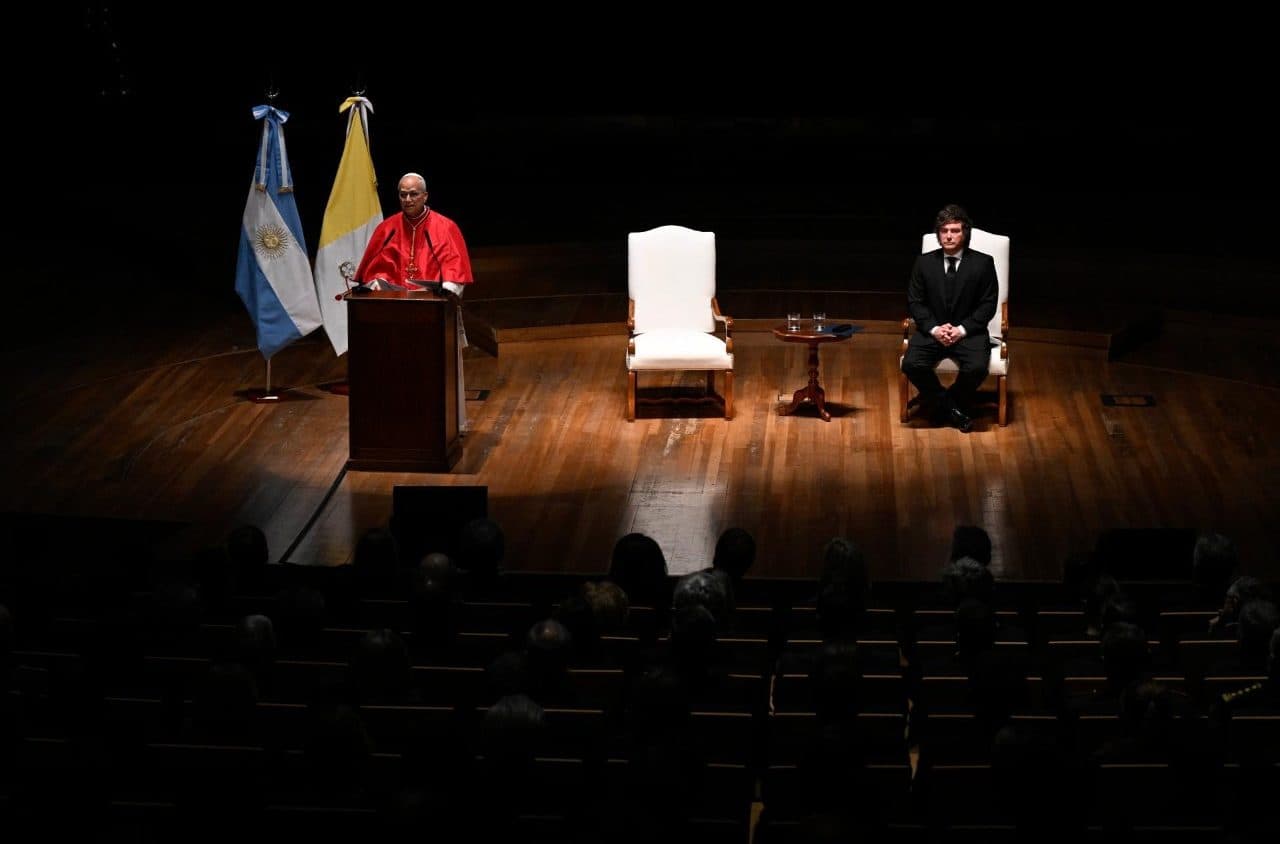
At the Government Palace, known as Casa de Pizarro, the pope joined the National Children’s Choir of Peru in singing the Peruvian national anthem. Afterward, he travelled by car to the Gran Teatro Nacional to meet with local authorities and deliver his first address since his arrival.
“If I were granted the chance to relive those years, I would do so with joy, embracing both their happy moments and their difficulties. That is why I can tell you, with deep gratitude, that I am also returning to my homeland,” Pope Leo said.
Last night, speaking from the balcony of the Apostolic Nunciature, where he is staying during his visit to Peru, he expressed his gratitude for the “warm welcome”. “I feel at home here,” he said.
This morning, in the chapel of the Archbishop’s Palace in Lima, he met with Peruvian bishops. Afterward, he celebrated the Midday Prayer (Hora Media) with prelates, priests, men and women religious, seminarians, synodal teams, and pastoral councils at the Basilica Cathedral of Saint John the Apostle and Evangelist.
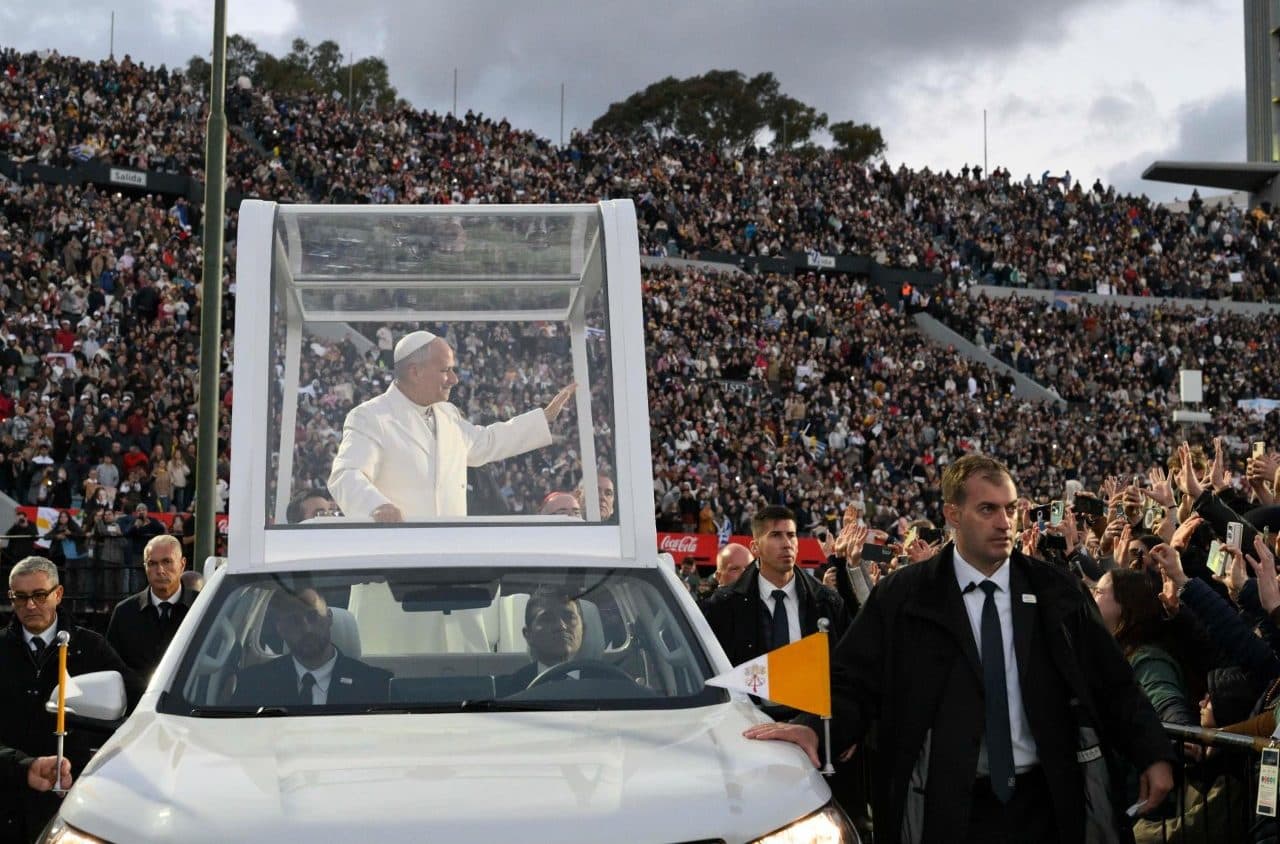
This was followed by a gathering in the square in front of the cathedral to discuss the challenges and hopes for the future of the Peruvian people. Finally, this evening, he will hold a vigil with young people at the National Stadium.
Pope: A bond between the Peruvian people and my own life, woven over time.
In his meeting with political and religious authorities, business leaders, and representatives of civil society, the cultural industries, and the diplomatic corps, Leo XIV shared his profound joy, a sentiment echoed by the people themselves, at returning to Peru, which he described as a “beloved land”.
Leo spoke about his own ties to the country, which “began long before the Lord entrusted me with the Diocese of Chiclayo.”
“For years, decades,” he said, “I shared in the lives of its people, listened to their concerns, and learned from their faith. Many opened the doors of their homes to me [. . .] and made me feel like one of their own.”
“In 2015, I received Peruvian citizenship. That act symbolized a bond that this people had been weaving into my life long before. Today I understand how much of this land remains with me and how much of my own story also belongs to you,” Leo said.
“Now I return as the Successor of Peter, called to serve the universal Church.”
Peru’s ancient history
The pontiff went on to speak about “peoples of diverse languages and traditions" shaped by “thousands of years”, a history told in "Quechua, Aymara, and the languages of the Amazon”.
To this, "other heritages" have been added, Afro-Peruvian and Asian-Peruvian, which "have also contributed to forming the country's identity." Likewise, “The faith took deep root in these lands and found expression in their traditions and in countless works of charity,” he said.
“The unity of a people is strengthened when these differences find their place and each person contributes from their own history and convictions.”
The pope also mentioned some of the “everyday expressions of solidarity” that endure in Peru, such as “communal work projects in which neighbors join forces, [. . .] the help families offer one another in times of difficulty, and the hospitality I have witnessed so many times.”
“In these gestures, one discovers a way of loving one’s homeland that is manifested, above all, in caring for those who live there,” he said. “To love a people is to desire that everyone may live with dignity among them, to take an interest in them, and to be willing to offer something of oneself for their good.”
The authorities ought to listen patiently to those who are far away
In his address to the authorities, Leo reminded them that their decisions also affect “those who live far from the places where they are made [. . .]. To understand the needs of those who are far away, we must begin by listening to them” with “special patience when dealing with disagreements or painful experiences.”
At the same time, Leo urged the faithful to “cultivate honesty, integrity, and a willingness to engage with others, qualities that sustain trust among people and give strength to the life of institutions.”
Again, he spoke of families – a theme touched upon several times during this trip to Latin America – for whom “peace has a very concrete meaning: going out to work without fear, caring for one’s children, and returning home with peace of mind.”
“The Church,” he noted, “is aware of the suffering caused by violence and wishes to remain close to those who endure it, encouraging the efforts of all who work to protect the life, dignity, and rights of people through law and justice.”
In fact, “There are goods that no economic prosperity can replace: peace of conscience, the certainty of being loved, and the freedom to seek the truth and to guide one’s life according to it.”
Leo expressed hope that the school system could embrace the quest for the “truth” and open “horizons that once seemed distant,” while “horizons that open up in the classroom must later be matched by real opportunities.”
He also extended “a word of affection to young people”, saying: “Let us work so that they may develop their talents and generously place them at the service of others, especially those most in need.”
Care for people and Creation
“Those who devote their energy to caring for others also need to find someone to care for them,” he said, citing care for vulnerable people.
“I also think of the many Peruvian women who have run soup kitchens and community meal programs, and of those who, through their professions and public responsibilities, contribute to the good of the country.”
“May all of them be able to freely develop their abilities, participate fully in their communities, and live free from violence and any form of exploitation,” Leo XIV told the authorities.
The pope then stressed the importance of “caring for nature and respecting the communities that depend on it”:
The example of "solidarity" that the Peruvian people have shown in emergencies “deserves to be matched by equally committed institutions, capable of preventing disasters and acting in a timely manner when a life is in danger.”
Science, technology, and AI “call for discernment and a responsible orientation toward the common good.” Thus, “May their benefits reach everyone, and may their development remain at the service of human dignity,” he said, a reference to the encyclical Magnifica humanitas.