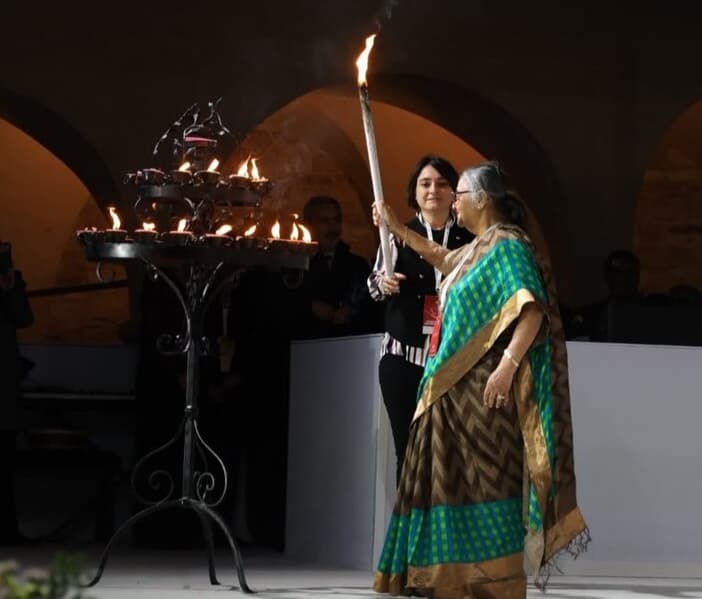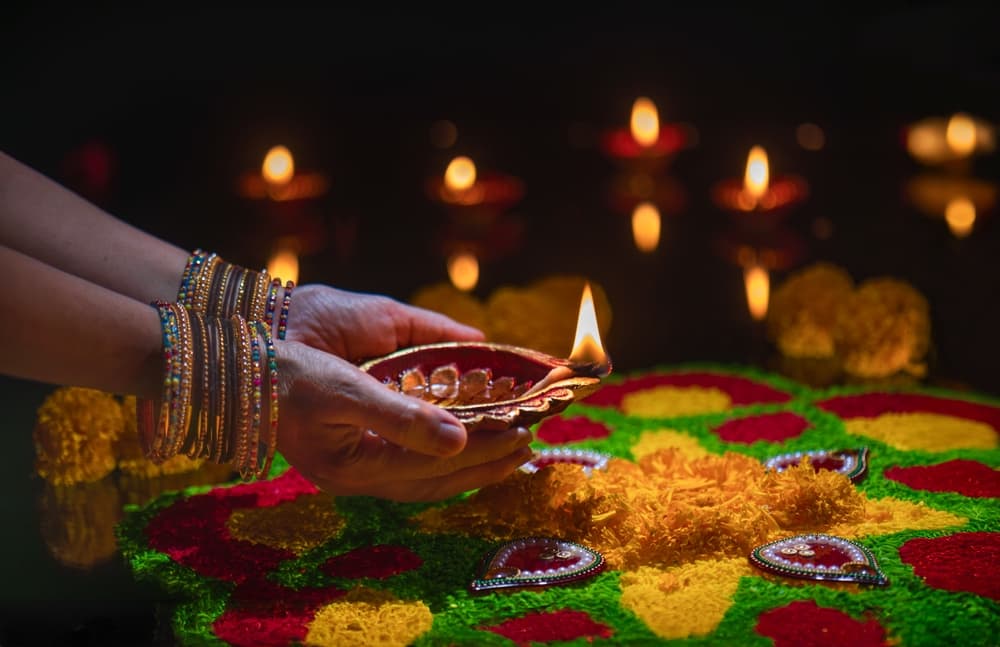
Rome (AsiaNews) – The festival of Diwali, which millions of people are preparing to celebrate in Asia and the world, is a holiday shared, albeit to varying degrees, by several religious traditions.
For this occasion, the Dicastery for Interreligious Dialogue issued a message to Hindus, citing the 40th anniversary of the Assisi meeting.
“May God, the fount of all that is good, bless you, your families, loved ones and communities with abundant joy, peace and prosperity!” it reads.
The festival, also known as Deepavali, evokes the image of a row of lamps, the hallmark of the celebrations, and "represents”, as the introduction to the dicastery’s message states, “victory of truth over falsehood, of light over darkness, of life over death, and of good over evil.”
However, as noted, it is also an important occasion for other traditions that originated in Asia.
“In Jainism, Diwali is a festival of light that marks the attainment of nirvana, that is, liberation, by Bhagwan Mahavir,”[*] explains Samani Pratibha Pragya, a Jain nun currently serving as a visiting teaching assistant professor at Florida International University in Miami, United States.
“We celebrate it by reflecting on its teachings and the path towards spiritual freedom. Diwali is also observed by Hindu, Sikh, and some Buddhist communities, each with its own traditions and significance."
In the Jain tradition, this path to liberation is closely linked to meditation.
After her doctoral studies at the School of Oriental and African Studies (SOAS) in London, Samani Pratibha Pragya continues her research, combining academic and spiritual life, into the approach to meditation known as Preksha, along with her own spiritual practice.
“I am a high-ranking Jain nun of the Samani order,” she explains. “I am respected within the Jain community in my capacity as a nun. The Samani order follows a disciplined spiritual life, with certain concessions compared to the strictly ascetic order, whose members observe the five great vows in their most rigorous form.”
Her teachings and practices fall within what she calls modern meditation.
We asked her to explain how this differs from traditional customs and practices.
“Traditional Jain meditation has often been closely linked to religious rituals and the recitation of ancient sutras,” she said.
“Modern Jain meditation draws upon these spiritual foundations while presenting its practices in dialogue with contemporary psychology and scientific knowledge regarding the body and the mind. The spiritual goal remains central, but the methods are explained in a way that is accessible to people today.”
For the scholar and Jain nun, both spirituality and science seek the truth, and the ability to draw from both is seen as a positive contribution.
Meditation plays a central role in daily life because, as she notes, it “deepens self-awareness, reduces negative emotions, and strengthens inner balance and peace. This helps me respond with greater mindfulness and compassion, putting non-violence into practice in my thoughts, words, and actions.”
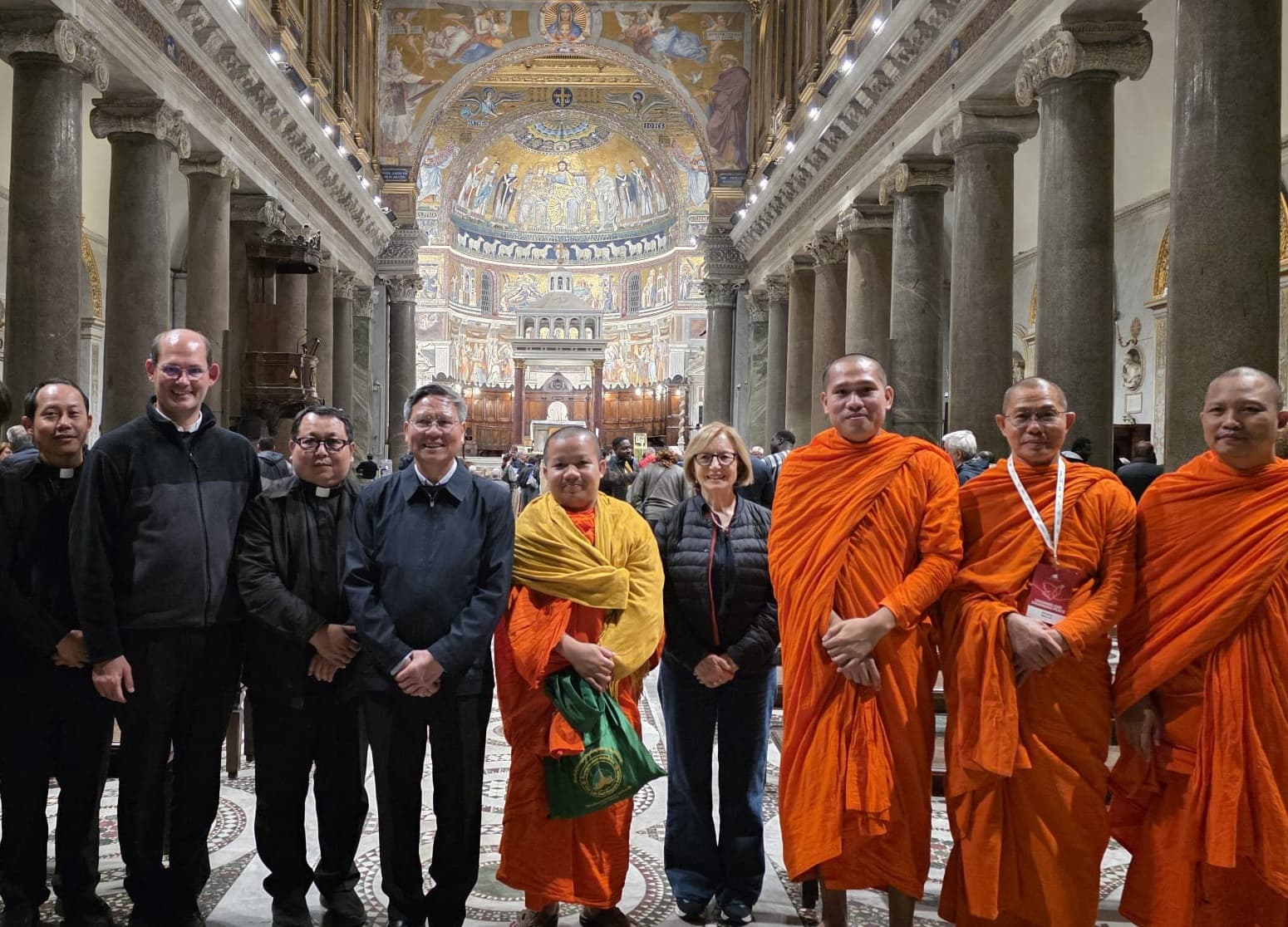
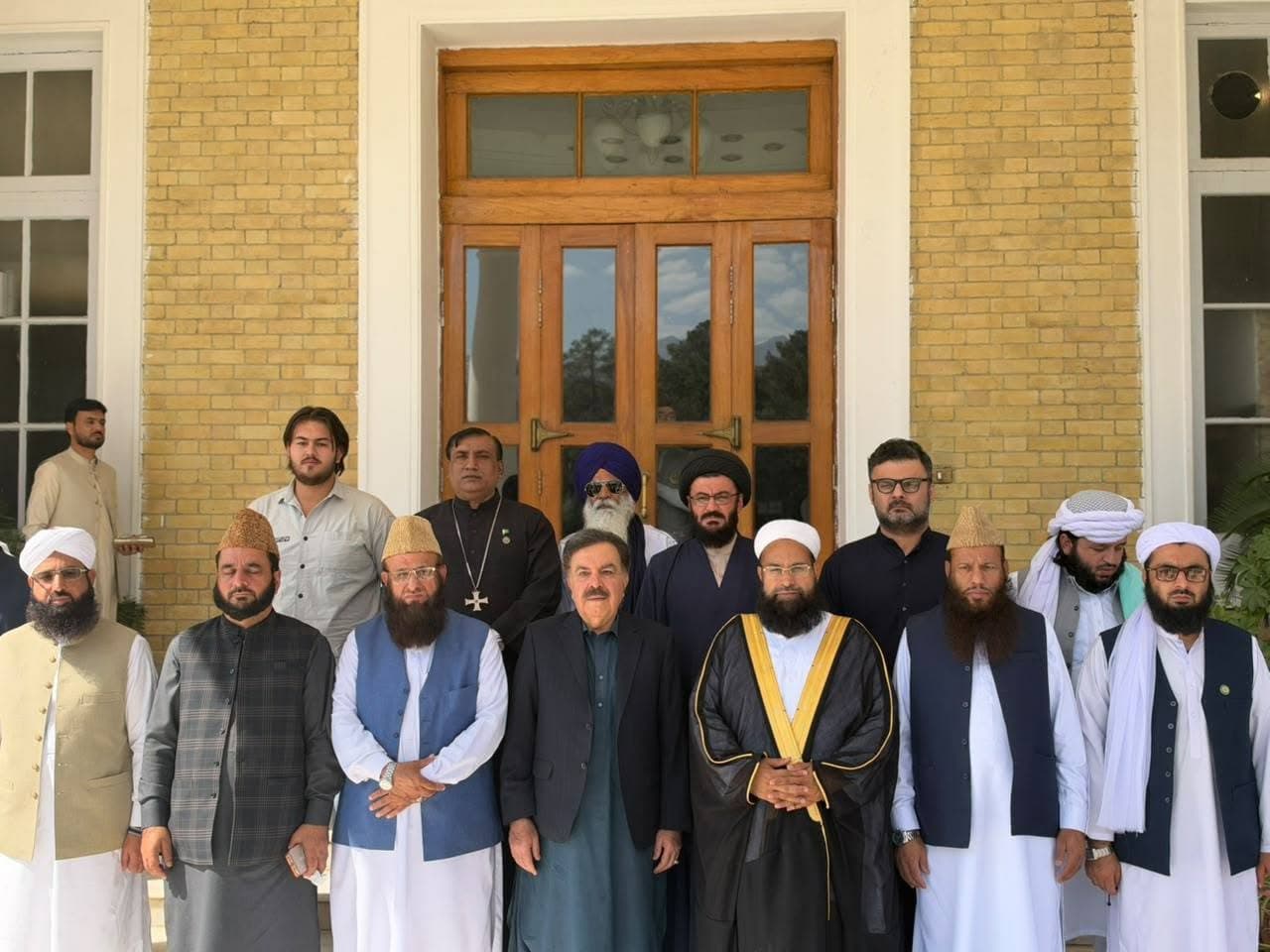
From this perspective, working with other religious traditions makes it possible to advance along the path towards peace. For Samani Pratibha Pragya, who is just back from a Catholic-Jain symposium in London, this is something positive.
“My experience of dialogue with the Catholic Church has been a positive one. We share a commitment to promoting world peace. By coming together and exchanging ideas, we deepen our friendship and mutual understanding, making it easier to work together towards this common goal.”
[*] A spiritual leader and central figure in Jainism.