Quetta (AsiaNews) – Religious scholars and leaders of Muslim, Christian, Hindu, Sikh and other faith communities have renewed their commitment to peace and religious harmony, endorsing Pakistan’s national Paigham-e-Pakistan (Message of Pakistan) narrative and condemning suicide attacks, terrorism and the killing of innocent people.
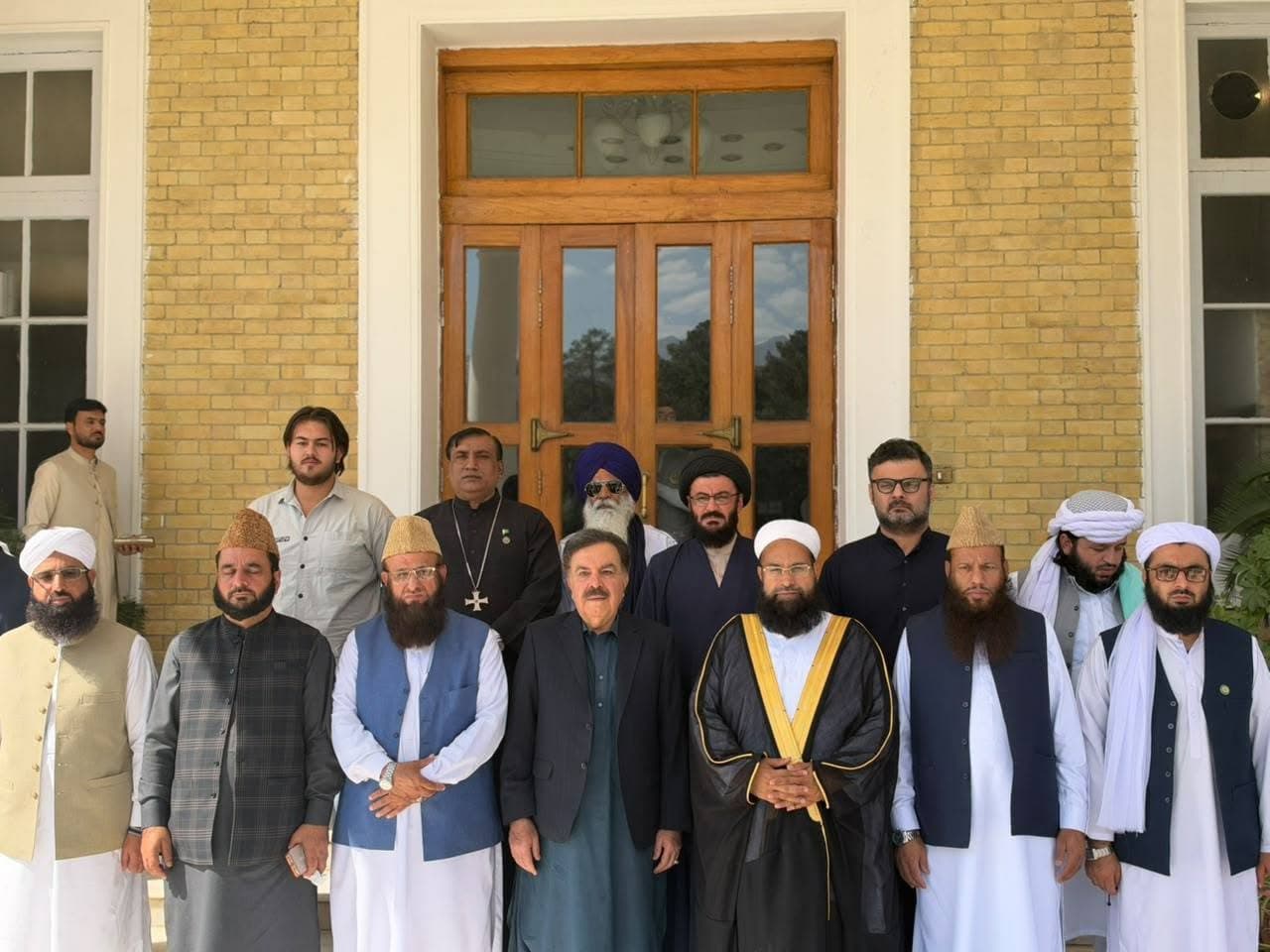
The declaration was issued on Wednesday at a joint meeting of the National Paigham-e-Aman Committee (NPAC), also known as the Qaumi Paigham-e-Aman Committee, and the Balochistan Paigham-e-Aman Committee at Jamia Salafia Dawat-ul-Haq in Quetta.
Participants unanimously reaffirmed that suicide bombings, extremism, sectarian violence and the deliberate targeting of civilians have no religious justification. They stressed that no individual or organisation has the right to resort to violence, challenge the state through armed action or take the law into its own hands in the name of religion, sect or ideology.
Cooperation among religious communities and state institutions
The gathering highlighted the importance of cooperation among religious communities and state institutions in building a peaceful and inclusive society. The participation of Christian, Hindu and Sikh representatives alongside Muslim scholars was presented as an expression of the country's commitment to interfaith dialogue and national solidarity.
The declaration stated that Islam prohibits suicide attacks and the killing of innocent people, adding that terrorism contradicts the fundamental teachings of Islam and other religious traditions.
Particular concern was expressed over the recruitment and exploitation of women, children, students and young people for terrorist activities, including suicide attacks. Participants described these practices as religiously forbidden, morally unacceptable and crimes against humanity.
They warned that individuals who manipulate young people through extremist propaganda and turn them into instruments of violence threaten both human life and Pakistan's future. Religious scholars, parents, teachers and community leaders were urged to work together to protect younger generations from hate speech, radicalisation and the influence of militant organisations.
Support for national security efforts
The participants expressed support for the efforts of the Pakistan Army and national security institutions to combat terrorism and maintain stability. The declaration referred to militant groups using the state-designated terms Fitna al-Khawarij and Fitna al-Hindustan, to delegitimise their ideology.
The federal government has used the term Fitna al-Hindustan for terrorist organisations operating in Balochistan, alleging Indian support for militant activities. The term Fitna al-Khawarij is used by Pakistani authorities for the banned Tehreek-e-Taliban Pakistan (TTP). These characterisations reflect the government's official position.
The declaration described safeguarding the country's security, protecting citizens and defending public and private property as a collective national responsibility.
Participants also underlined the urgent need to preserve peace in Balochistan, a province that has experienced prolonged insecurity and militant violence.
The meeting called for sustained cooperation between religious leaders, government departments and relevant institutions to address concerns affecting mosques and religious seminaries and to strengthen confidence among communities.
Paigham-e-Pakistan and interfaith harmony
The meeting reaffirmed the importance of Paigham-e-Pakistan, a national narrative intended to counter extremism and establish a collective religious and social rejection of terrorism. Its principles include opposition to sectarian violence, religious vigilantism, hate speech and the misuse of religion to justify political or ideological violence.
The framework also emphasises constitutional rights, the protection of religious minorities and respect for differences in religious interpretation, insisting that such differences must not become grounds for hostility.
Through the National Paigham-e-Aman Committee, religious scholars, spiritual leaders, representatives of minority communities and state institutions are brought together to promote dialogue and prevent conflict. The committee seeks to translate declarations of peace into practical cooperation at community and institutional levels.
Participants called for mosques, seminaries, schools and religious and social centres to become platforms for tolerance, mutual respect and national cohesion rather than spaces where hatred or division could take root.
For Pakistan's religious minorities, the participation of their leaders in such initiatives offers an opportunity to reinforce the message that peace and security are shared responsibilities across religious boundaries.
However, the effectiveness of these commitments will depend on their implementation, including the protection of constitutional rights and equal treatment for citizens of every faith.