Vatican City (AsiaNews) – “Music is part of the liturgical action and not merely a decoration of the celebration”. For this reason, great attention must also be paid to its inculturation, taking “serious account” of the diverse musical traditions of the peoples of the world “as part of people’s religious and social life”.
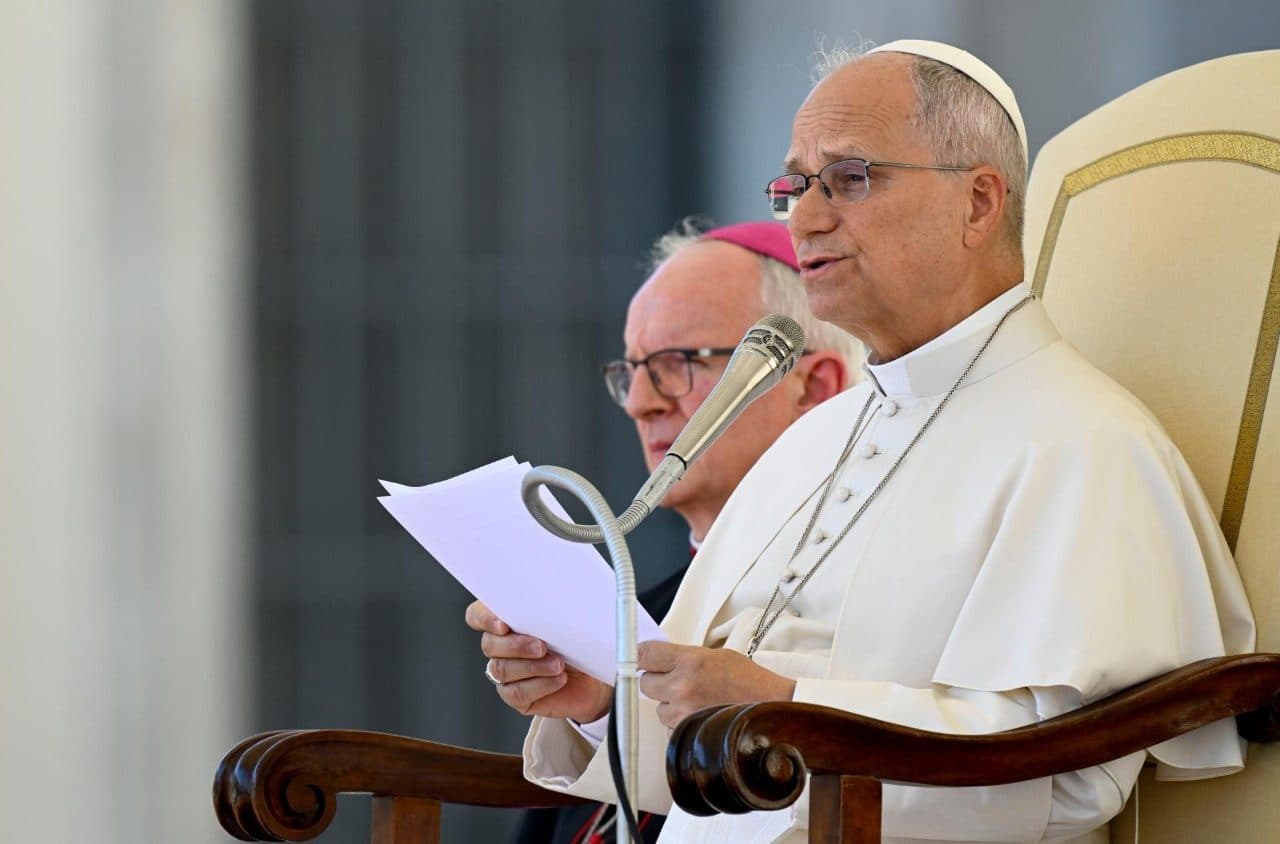
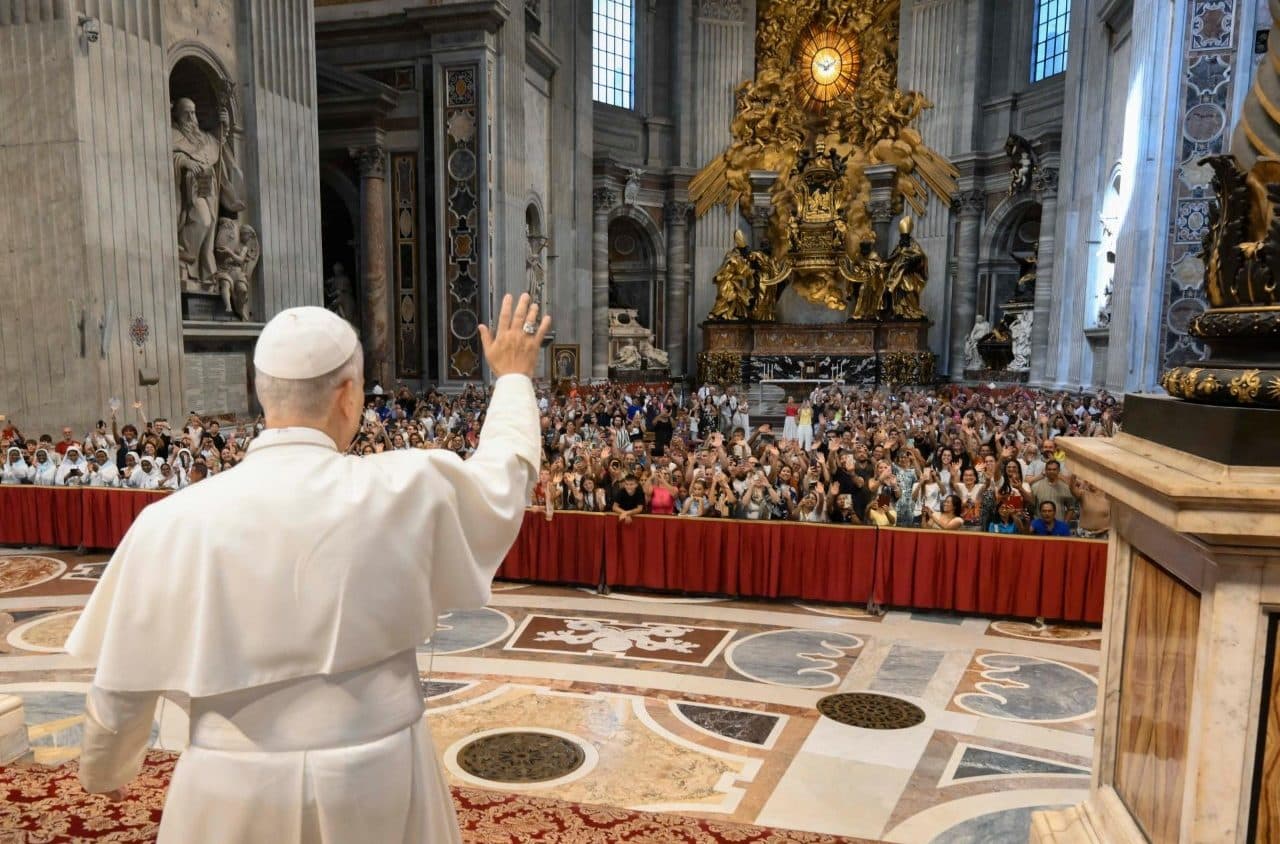
Pope Leo XIV emphasised this today whilst addressing the faithful present at the Wednesday general audience, held inside St Peter’s Basilica due to the heatwave that continues to affect Rome. Continuing his catechesis on the documents of the Second Vatican Council, the Pontiff focused today on the chapter that the constitution Sacrosanctum Concilium devotes to the theme of sacred music.
“In the liturgy,” said the Pope, “singing and playing music means praying, attuning one’s heart to that of one’s sisters and brothers and to God, in active participation in the mystery being celebrated. In particular, music expresses the emotional dimension of prayer, as Saint Augustine states: ‘Cantare amantis est’, that is, ‘singing is the mark of those who love’ (Sermo 336, 1).
‘This,’ he added, ‘is very important, because it helps us to open our hearts to God’s action through grace and to allow ourselves to be shaped by it.’
Leo XIV also recalled how singing fosters communion within the assembly gathered in prayer. “Through the symphony of voices,” he explained, “it contributes to the union of hearts, overcoming differences between people and uniting everyone in praise of God. It thus becomes an epiphany of the Church, a tangible manifestation of the communion that belongs to her very nature.”
Precisely because of this “profound theological significance”, the Pope – quoting the conciliar document – listed certain “requirements” which sacred music must never neglect. First and foremost, “regardless of fashions or the particular sensibilities of composers, it must, on every level, correspond to what is most appropriate for the liturgical moment”. The melody “must be both noble and simple, of high musical quality and easy to perform”.
The texts too – as the Council recommends – must be “appropriate, profound and at the same time readily understandable, drawn chiefly from Sacred Scripture, the liturgical books and the spiritual Tradition of the Church”.
Sacrosanctum Concilium also attaches “great value to Gregorian chant, whilst not excluding other genres of sacred music from the celebration”, just as it pays particular attention to the organ, specifying that the use of other instruments is permitted “provided they are suitable for sacred use or can be adapted to it, are in keeping with the dignity of the church and genuinely contribute to the edification of the faithful”.
At the same time, however, the Pope recalled that “a theme dear to the conciliar reform is that of inculturation, including in the field of sacred music”. For this reason, the Second Vatican Council document recommends, on the one hand, that an appropriate “education in religious sensibility” be provided for all and, on the other, “as far as possible, that the traditional music of those peoples be promoted, both in schools and in sacred celebrations”.
In his greetings to the pilgrims present in various languages, Leo XIV today paid particular attention to the Polish pilgrims, recalling that 23 August – the day on which the Church celebrates the feast of Blessed Władysław Findysz, a priest and the first Pole recognised as a martyr of the communist persecutions – marks the European Day of Remembrance for the Victims of Stalinism and Nazism. “
“During the Second Vatican Council,” said the Pope, “he spiritually supported its work, involving the faithful in theconciliar work of goodness through acts of charity and moral renewal. May his witness,” he added, “remind us that the civilisation of love is built by forgiving and overcoming evil with good.”
Finally, addressing all those present in Italian, the Pope renewed his invitation “to continually cultivate within yourselves a genuine conscience of peace. Be sincerely aware that peace is a precious and great good, and that a strong and constant commitment is needed to bring it about, by following with honesty and truth the paths that build and uphold it in society”.