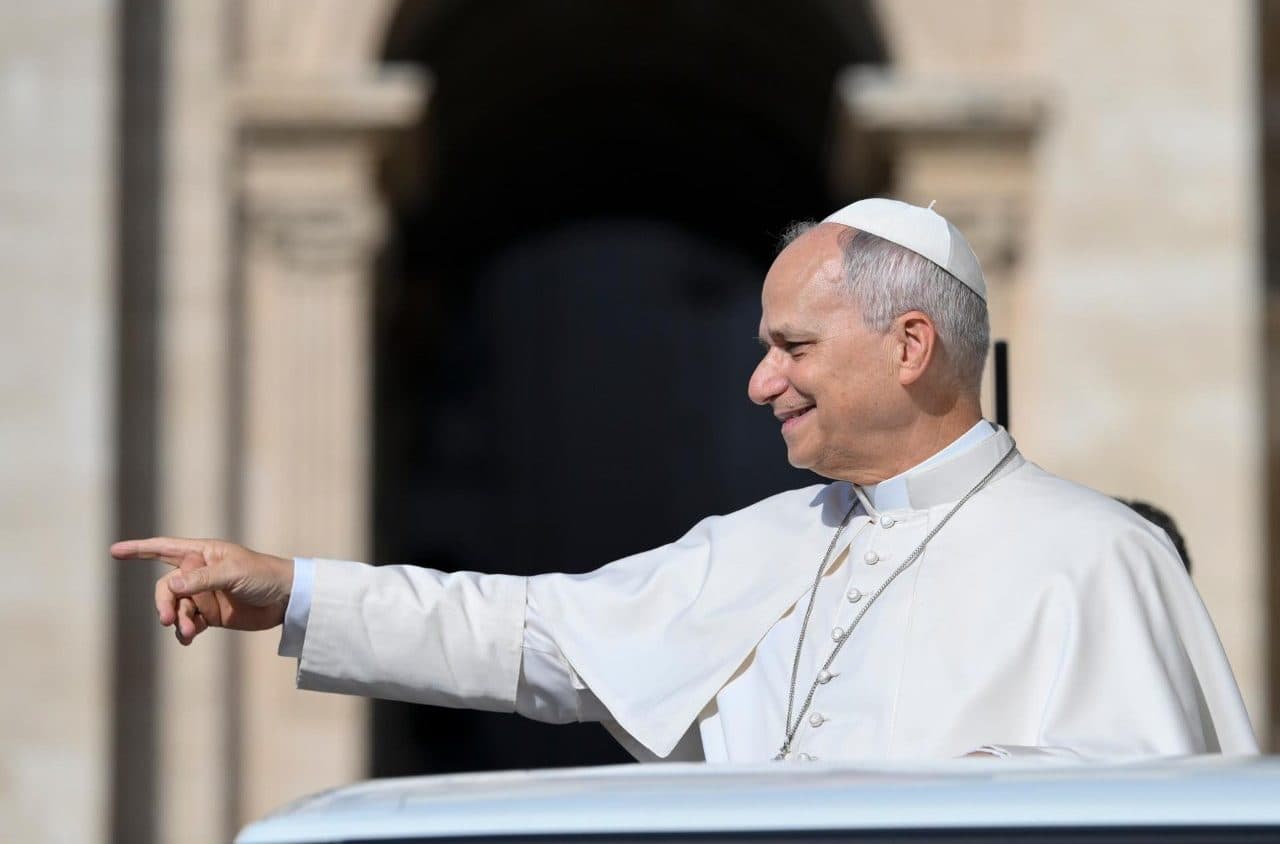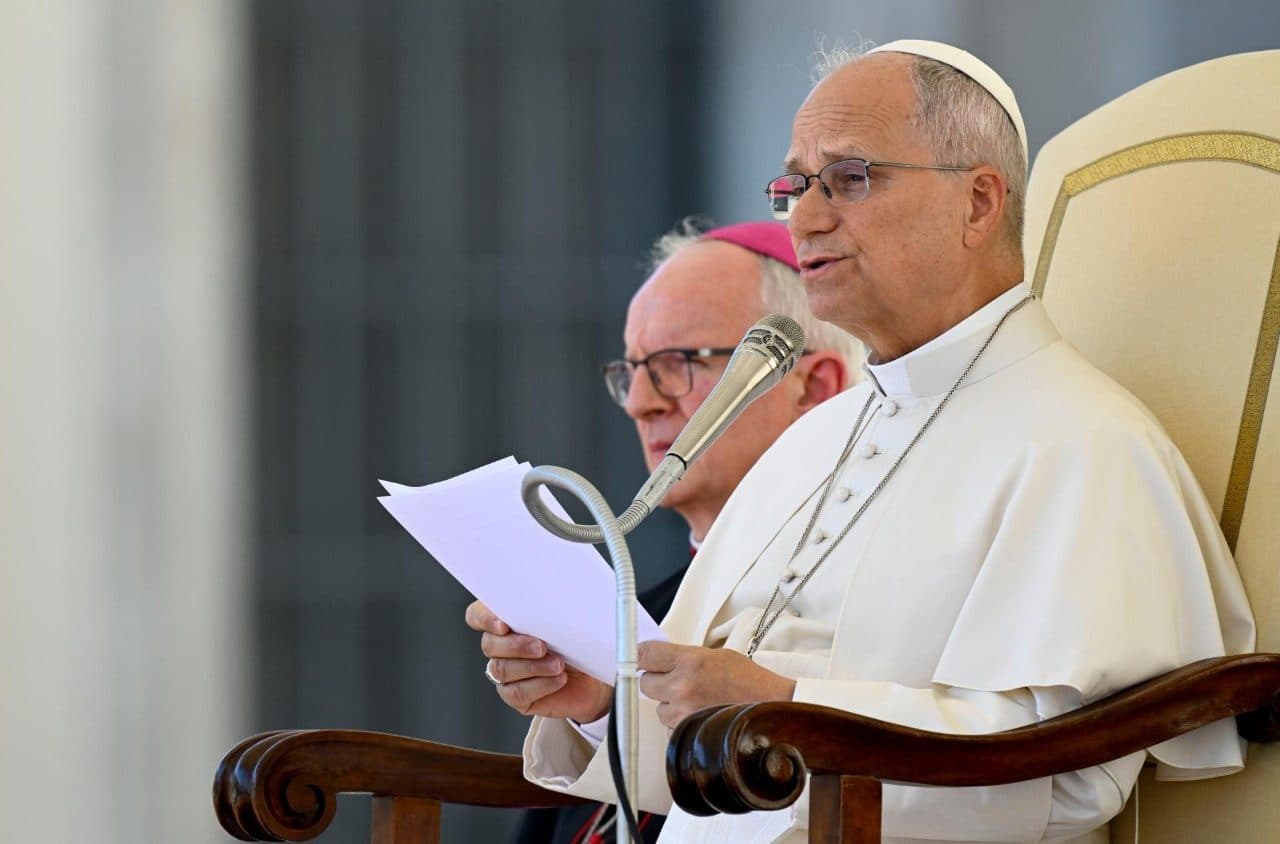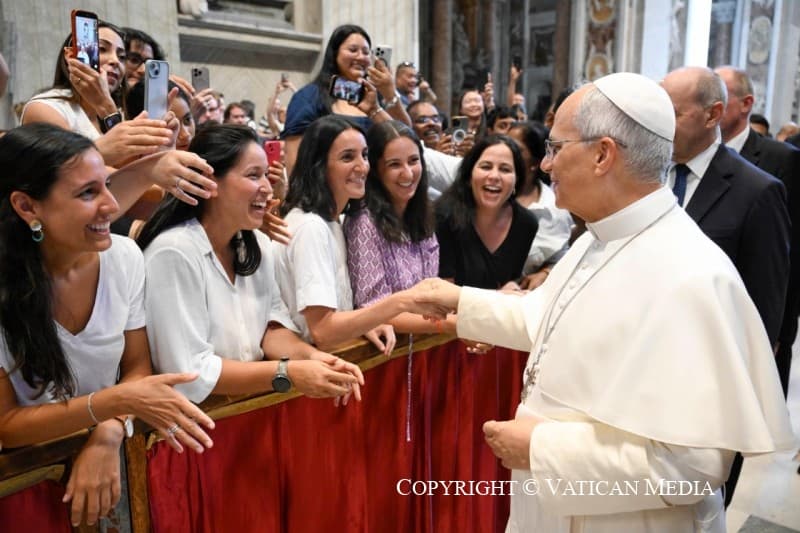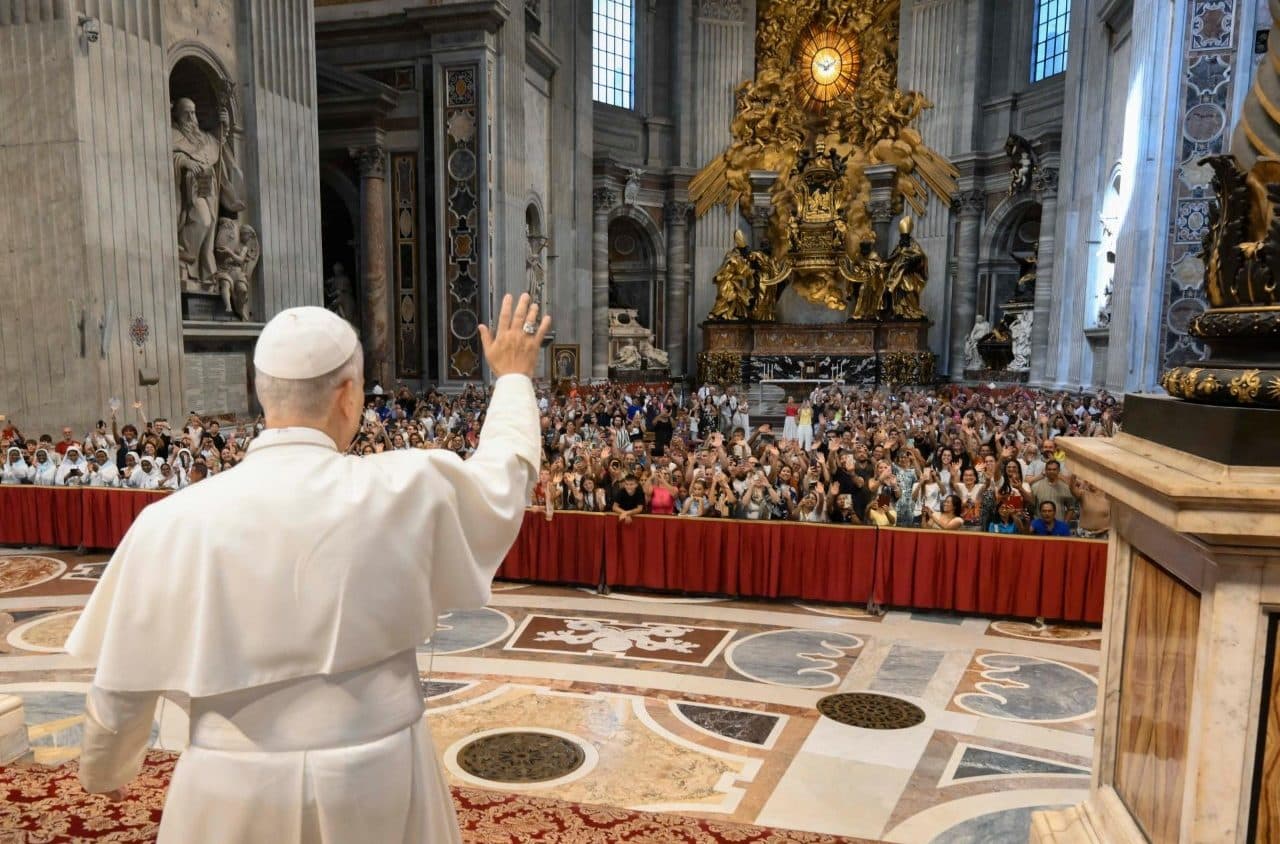
(AsiaNews) - The catechesis that Pope Leo XIV shared with thousands of the faithful gathered this morning in St Peter’s Basilica – on the occasion of the Wednesday general audience – was dedicated to the liturgical reform initiated by the constitution Sacrosanctum Concilium, promulgated by Paul VI on 4 December 1963. This continues the series of reflections dedicated to the documents of the Second Vatican Council.
What were the reasons that prompted the Council Fathers to promote a reform of the liturgy? Today, the Pope sought to answer this question. Even whilst he was Archbishop of Milan, Cardinal Montini had begun his own personal reflection on the liturgy, which led him to declare, as Pope, that the faithful “can no longer and must no longer remain silent and passive”, the Pope recalled this morning.
The reasons behind the liturgical reform
These words echo those found in no. 48 of the constitution Sacrosanctum Concilium, which states: “The Church is deeply concerned that the faithful [...] should not be mere strangers or silent spectators at this mystery of faith, but that, having a proper understanding of it through the rites and prayers, they may participate in the sacred action consciously, devoutly and actively”. Pope Prevost emphasised that these words reveal a “renewed awareness of the value of the liturgy”. Through the liturgy, “we are given the opportunity to experience a true relationship with God”, and therefore “the participation of the faithful cannot be passive”, he said.
Thus, from the conviction that the liturgy is “the primary source of that divine exchange in which the life of God is communicated to us” – as Paul VI said on 4 December 1963 – arose “the need to make the richness of the biblical texts and prayers more accessible to all the faithful”, added Prevost. As the liturgy is a “living reality”, it is therefore “subject to developments and changes over the centuries”.
Pope Leo XIV then reminded those present at the audience that the liturgical reform has a specific aim, set out by the Council Fathers in no. 21 of the constitution Sacrosanctum Concilium: “So that the Christian people may more surely obtain the abundant graces contained in the sacred liturgy, Holy Mother Church wishes to carry out a thorough general reform of the liturgy. This, in fact, consists of an unchangeable part, because it is of divine institution, and of parts subject to change.”
Pope Pius XII (1876–1958), in his encyclical Mediator Dei (1947), had already mentioned the distinction within the liturgy between “divine, immutable elements and human elements”; the latter, in particular, are subject to change. Thus, the reform initiated by the constitution Sacrosanctum Concilium was the culmination of a journey undertaken by previous popes, “from the beginning of the 20th century”, said Prevost.
“The liturgical reform promoted by the Second Vatican Council is therefore in keeping with the living tradition of the Church,” explained Leo XIV. He recalled that Sacrosanctum Concilium emphasises that “liturgical actions are not private acts but celebrations of the Church” (no. 26). “It is therefore the primary responsibility of pastors, of bishops but also of every single priest, to safeguard and promote a liturgy which [...] shines with noble simplicity and thus manifests the one, holy, catholic and apostolic Church,” he said.
Final greetings
Finally, greeting the Polish-speaking faithful, he addressed those gathered today at Jasna Góra, at the Shrine of Our Lady of Częstochowa. Seventy years on from 1956, the Jasna Góra Vows – which form part of the centuries-old Polish tradition of entrustment to Mary – written by Cardinal Stefan Wyszyński (1901–1981) during his imprisonment, have been renewed. “May the programme for the moral renewal of society contained therein […] continue to inspire our commitment to justice and fraternity,” said Pope Prevost.
And, greeting young people, the elderly and newlyweds, Leo XIV recalled the feasts – in tomorrow’s and the day after tomorrow’s liturgy – of Saint Monica and Saint Augustine, “united on earth by family ties and in heaven by the same destiny of glory. May their example inspire in each of us a sincere and passionate search for the Truth of the Gospel, so that we may bear witness to it with joy in our daily lives”.