Tashkent (AsiaNews) – In recent weeks, Central Asia has received two important announcements from UNESCO: ten modernist buildings in Tashkent – ranging from the History Museum to the Kosmonavtov metro station in the Uzbek capital – and five sacred complexes in Mangistau, Kazakhstan, have been added to the World Heritage List. The inscriptions took place during the 48th session of the UNESCO World Heritage Committee, held in July in Busan, South Korea; as a result, Uzbekistan now has eight sites on this list, and Kazakhstan seven. Kyrgyzstan, on the other hand, currently has only three, and this number could fall further.
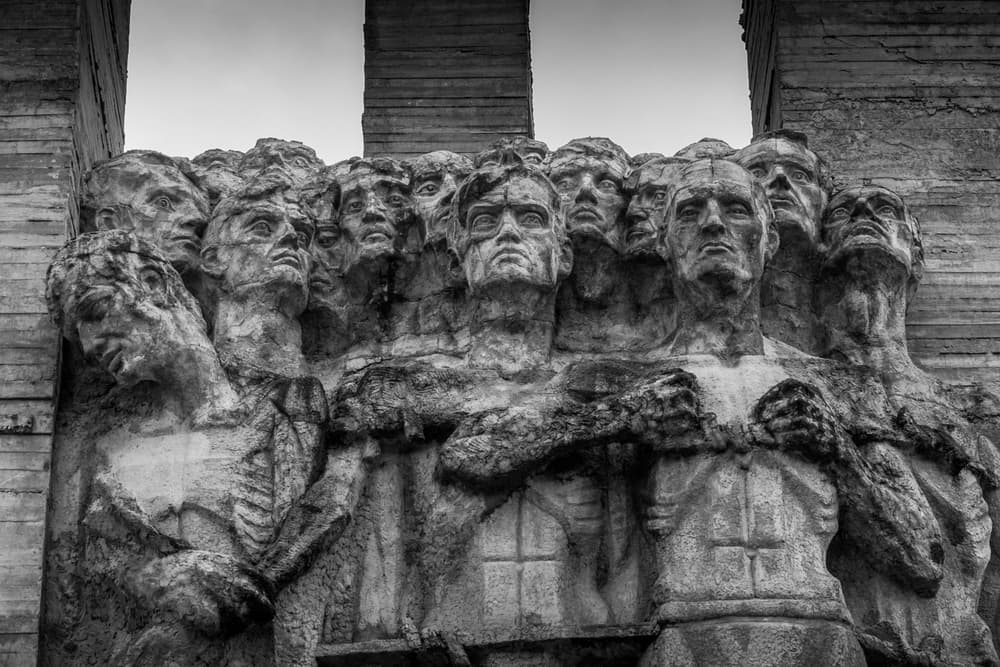
One of the most talked-about sites recently inscribed on the World Heritage List in Uzbekistan is the Kosmonavtov metro station in Tashkent: blue-glazed ceramics, portraits of cosmonauts and lamps reminiscent of a starry sky have long made the city a very popular tourist destination. Nine other buildings have been nominated for Tashkent’s modernism award: the State Museum of the History of Uzbekistan, the Central Exhibition Hall of the Academy of Arts, the State Museum of Arts, the Khorsu Bazaar, the Alisher Navoi Cinema, the Palace of Friendship of the Peoples, the Great Solar Furnace, the State Circus of Uzbekistan and the Zemchug Residential Palace. Tashkent Modernism is an architectural style from the 1960s to the 1980s, which combined Soviet futuristic ideas with traditional Oriental motifs and local influences. This style emerged following the devastating earthquake of 1966, during the city’s reconstruction; its distinctive features include national motifs, carved latticework, domes and mosaics on the façades. The modernist principles, as highlighted in the UNESCO documentation, were adapted to local climatic, seismic and cultural conditions. According to the Uzbek artist Šukrat Babajanov, Tashkent Modernism is not limited to just ten buildings, but the fact that these have been included on the World Heritage List represents a significant milestone.
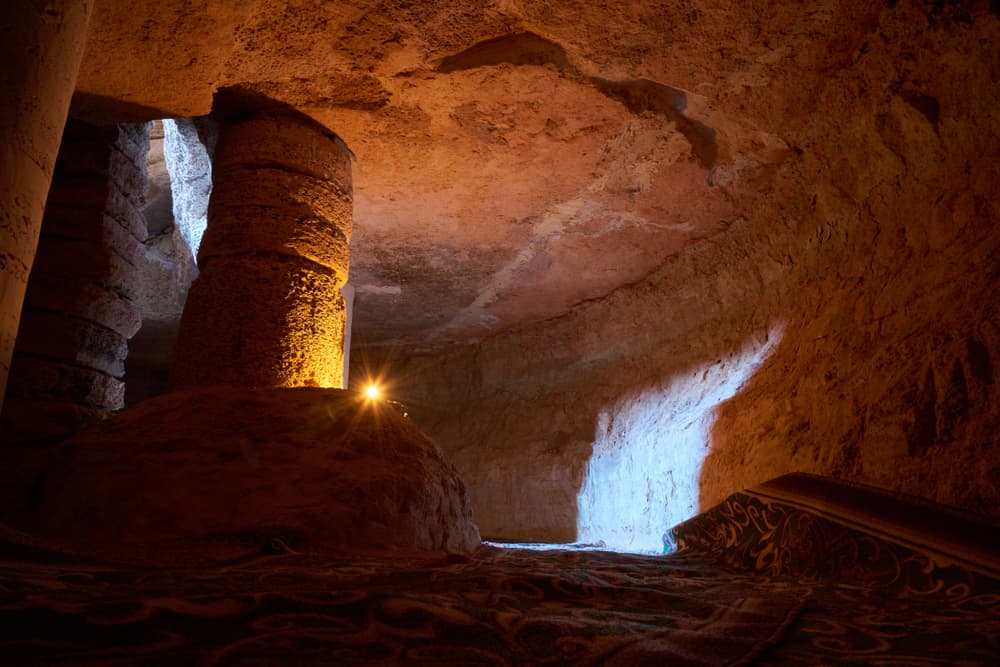
As for the five sacred complexes unique to the Mangistau region of Kazakhstan, they are located in Šakpak-Ata, Beket-Ata, Karaman-Ata, Šopan-Ata and Sultan-Epe. Carved out of limestone and chalk, the mosques date from the 12th to the 18th centuries. Each complex comprises underground mosques, necropolises, mausoleums and burial sites of followers of the Sufi tradition, pilgrimage routes, sacred wells and other religious sites. According to UNESCO, what makes this complex unique is the combination of the Islamic Sufi tradition, ancient conceptions of the sacredness of the landscape and nomadic culture. The Kazakh authorities have described the inclusion of the Mangistau complexes on the list as a historic milestone: “The last time a site from our national cultural heritage was included on UNESCO’s prestigious list was 22 years ago: the Mausoleum of Khoža Ahmed Yasawi was added in 2003, and the Tanbaly petroglyphs in 2004. ‘Securing a place on the list is a source of great pride for us; at the same time, this historic achievement places an enormous responsibility upon us,’ said Erlan Karin, deputy head of the Presidential Administration of Kazakhstan.
Whilst Uzbekistan and Kazakhstan are adding new sites, Kyrgyzstan remains the region’s laggard in terms of the number of tangible monuments recognised as having universal value for all humanity. The sacred mountain of Sulayman-Too in Osh is the only site that belongs entirely to Kyrgyzstan; for over 1,500 years, the mountain has served as a beacon for travellers and has been revered as sacred, but due to unauthorised construction in 2012 and 2021, the local authorities themselves are calling for the mountain to be removed from the UNESCO list. The mayor of Oš, Žanar Akaev, has stated that ‘the international status of Sulayman-Too hinders the development of tourism’; at stake is a project to build a cable car and funicular railway to the summit, so that people can go up and take photographs. UNESCO has refused permission, stating that building in that area is prohibited. Another story often cited by experts is the failure to nominate the high-altitude Lake Issyk-Kul. This jewel of Kyrgyzstan was added to the tentative list in 2001, but the creation of a 100-metre buffer zone along the shore and the modernisation of the wastewater treatment plants are required to prevent sewage from flowing into the lake. Kyrgyzstan has much to show the world, but it must commit to preserving its treasures.