Tashkent (AsiaNews) – Uzbekistan has approved a large-scale privatisation programme, putting state assets worth over 8 billion dollars up for sale: state shares and stakes in hundreds of companies – ranging from bazaars to industrial firms, from banks to an airline – will be put up for sale. The authorities state that the main objective is not simply to sell off assets, but to attract investment for modernisation and long-term development. Independent experts point to the lessons of the recent past and highlight the risks of corruption and nepotism.
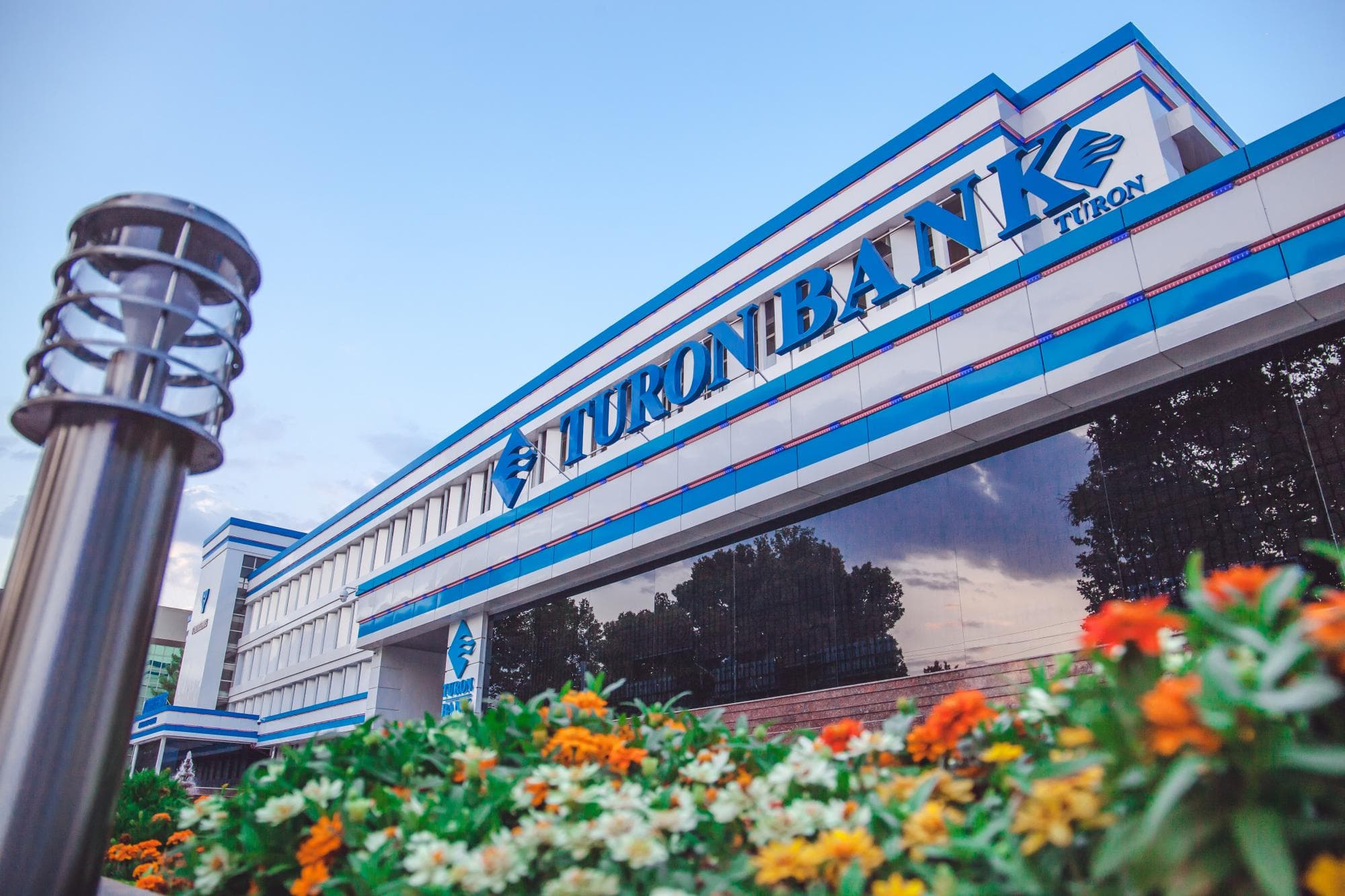
The state intends to divest from 84 large companies and economic entities; Tashkent has announced that 1,242 properties and approximately 8,000 hectares of land earmarked for urban and commercial development projects will be put up for auction. The list of state assets earmarked for privatisation also includes banking institutions: Turonbank was the largest financial asset on the list, with 98.9 per cent of its shares to be put up for public auction, and the privatisation of Uzpromstroibank and Asakabank is also planned. The authorities have announced plans to reduce the number of state-owned banks by 2030, retaining around four instead of nine, and to decrease the state’s share in banking assets.
Furthermore, Uzbekistan plans to fully privatise the insurance company Xalq Sugurta in the near future; the state owns 100 per cent of its capital. 100 per cent of the airline Humo Air, 91.83 per cent of Uzexpocentr and 79.27 per cent of the International Business Centre will be put up for auction. In the transport sector, 90 per cent of the Tashkent passenger carriage construction and repair plant and 100 per cent of the Andijan mechanical plant, both part of the Uzbek railway system, will be put up for sale. Finally, dozens of markets, including large ones, are set to be put up for public auction: the list includes well-known properties in the capital such as the Sergeli car market and the bazaars of Yangiabad, Čilanzar, Urikzor, Abu Sahiy, Aviasozlar, Navruz, Kadyševa, Korakamyš and Farkhad. Also included are the Parkent Universal shopping centre, the Bek Tupi shopping centre and the Beškurgan Savdo company.
The International Monetary Fund has recommended that Tashkent speed up the privatisation process. According to the IMF report, around 84 per cent of state-owned enterprises in Uzbekistan operate in competitive sectors where it is more difficult to justify state involvement. These include bazaars, agriculture, services, tourism and the pharmaceutical industry; the country’s authorities are therefore advised to transfer non-strategic activities to the private sector in order to reduce the burden on the budget. The current privatisation campaign is not the first of its kind in the country: Tashkent embarked on a massive sell-off of key strategic state assets following the rise to power of Shavkat Mirziyoyev, who assumed the presidency 10 years ago after the death of Islam Karimov, who had ruled with an iron fist for over a quarter of a century and was wary of foreign investors and the very idea of denationalisation.
Traders at Tashkent’s markets, interviewed by Azattyk Asia, cautiously state that their situation depends entirely on the bazaar owners. A change of ownership could necessitate a review of what they already consider to be less than ideal conditions, where profits must be shared with the market administration and emergency expenses must be covered out of their own pockets. One trader at the Beškurgan Savdo market claims to have paid $500 per stall and to have been granted the right to trade, but following a fire in April this year, the costs of repairing the stalls were passed on to the traders. These costs came on top of taxes, transport costs and interest on loans. The authorities claim they wish to improve the investment climate and attract large-scale capital, but these processes are often still marred by scandals linked to coercive or regulatory pressure on foreign companies.