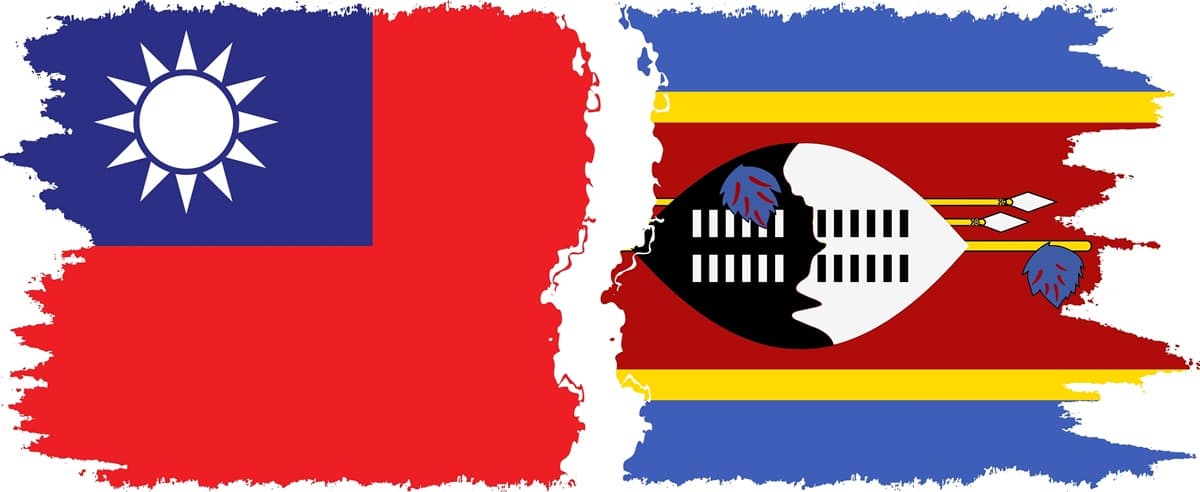
Milan (AsiaNews) – Pressure from Beijing to isolate Taiwan is intensifying across Africa. It is against this backdrop that China’s move today – ordering its citizens to leave Eswatini immediately, citing serious security risks in the country – must be understood. The small southern African kingdom – formerly known as Swaziland – is the only African state still maintaining formal diplomatic relations with Taiwan.
The Chinese Foreign Ministry has urged Chinese citizens and institutions present in Eswatini to evacuate or relocate to areas considered safer, such as South Africa. Among the threats cited are the rise in cybercrime, online fraud and illegal gambling. A rather laughable pretext when one considers the extremely close ties between China and the countries of South-East Asia, which international reports identify as the hub of such activities. Beijing has warned that Chinese nationals who choose to stay could face very high risks and find it difficult to receive timely consular assistance.
There are only 12 countries in the world (including the Vatican) that maintain full diplomatic relations with Taiwan, which Beijing considers part of its territory. Last May, the Taiwanese president, Lai Ching-te, made an official visit to Eswatini, which the People’s Republic of China had attempted to thwart by putting pressure on neighbouring countries: the Seychelles, Mauritius and Madagascar had refused to grant airspace access, and Lai was only able to reach Mbabane thanks to a plane specially sent by King Maswati III. Eswatini is also the only African country excluded by China from the tariff exemption that came into force on 1 May.
Another hostile move against Taiwan in Africa had taken place in recent days in Uganda, where Ugandan immigration officials withheld the passports of three Taiwanese citizens on their arrival at Entebbe International Airport, asking them to produce Chinese passports in accordance with the ‘One China’ principle.
Although they were authorised to enter the country, for several hours the officials refused to return their Taiwanese passports, claiming that the entry stamps had to be affixed to Chinese documents. Taiwan’s representative in Somaliland and a Taiwanese business association in Uganda provided assistance, and the documents were eventually returned.
The incident – which took place on 13 August – follows two other similar cases: in one, a Taiwanese national was reportedly even turned away and repatriated. In Uganda, there are around 70 Taiwanese residents and some 35 companies operating with investment from Taipei. However, Kampala is also rapidly strengthening its military partnership with China, which now goes far beyond the mere supply of arms.
In April, the Zambian authorities cancelled at the last minute RightsCon, the world’s largest conference on digital rights, which was set to bring together over 2,600 participants from around the globe. The organisers reported that Zambian officials had attributed the decision to pressure from Chinese diplomats, who opposed the participation of Taiwanese civil society activists.
Furthermore, in June, two Taiwanese delegates were detained for hours by the Kenyan authorities and expelled from the Our Ocean conference, a global summit on ocean conservation held this year in Mombasa. The incident occurred despite the fact that Taiwanese citizens had attended previous editions of the conference in other countries without incident since 2015.