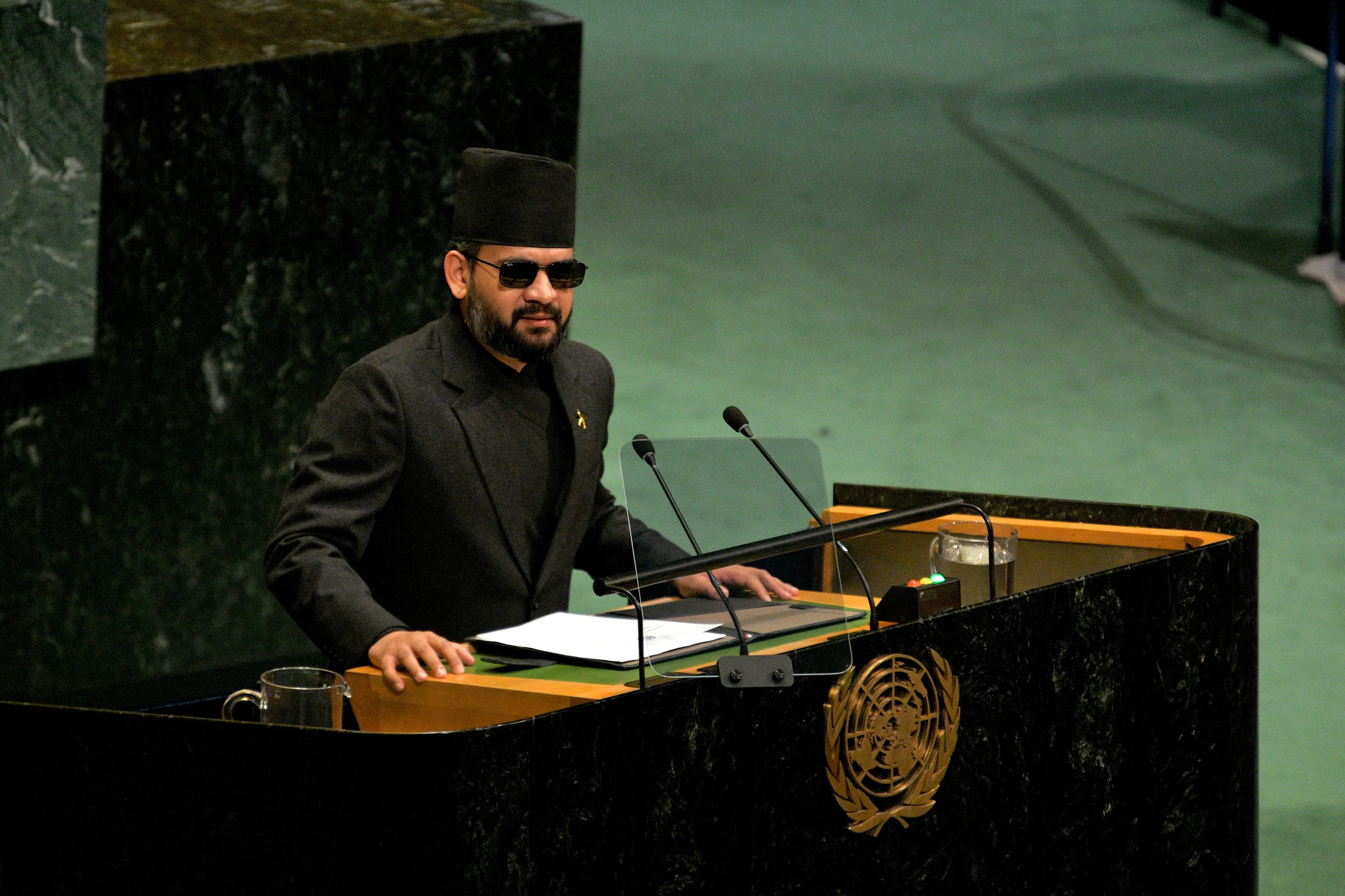
Rome (AsiaNews/Agencies) – Ahead of COP31 – the annual UN Climate Change Conference, scheduled to take place in Antalya, Turkey, from 9 to 20 November 2026 – a preparatory meeting is being held in Oceania from 5 to 8 October, organised by Fiji, Tuvalu and Australia. The theme of the event, which is expected to bring together dozens of global decision-makers, is the Pacific region’s climate prospects and commitments.
The island partners organising the pre-COP meeting are seeking media coverage and participation, as numerous well-known and influential leaders are expected to visit the atolls threatened by rising sea levels and extreme weather events.
Despite efforts to place the Pacific island nations at the centre of global climate diplomacy, it appears that, for the time being, this event is a flop, given that few leaders from outside the region are planning to attend: the conference organisers have confirmed the attendance of Cape Verde, Thailand, Antigua and Barbuda, East Timor and the Maldives.
This is viewed negatively by the partners themselves, given that the preparatory meeting brings together a select group of countries – usually between 30 and 50 – to discuss the key issues to be put before the 196 countries participating in the COP.
Institutions from the Pacific island nations are lamenting the low turnout, stating that they had expected more. Meanwhile, opposition groups are calling the situation a “diplomatic disaster”. However, around 30 country representatives will attend the leaders’ session, making this Pre-COP the best-attended by presidents and prime ministers to date.
Listening to the Pacific representatives
As emphasised by the organisers of Pre-COP31, the importance of holding it in the South Pacific region – the plenary is scheduled to take place in Nadi, Fiji, and the official meeting with heads of state and government in Tuvalu, one of the atolls most threatened by rising sea levels – lies in the opportunity to hear directly from the representatives, discuss solutions proposed by the region and take the region’s priorities into account ahead of COP31 in Turkey.
This is complemented by efforts to uphold the target of keeping global warming below 1.5 °C, as set out in the Paris Agreement and considered inevitable in the short term.
As reported by Reuters, as part of their commitment to limit global warming to 1.5 °C above pre-industrial levels, island governments are raising funds for the ‘Pacific Resilience Facility’, which is intended to finance climate projects across the region.
The United Nations Environment Programme (UNEP) stated last month in its report ‘Limiting Overshoot’ that the world is set to exceed this target in the coming years, fuelling more extreme weather events and intensifying the pressure on communities located in low-lying areas, such as atolls.
Tuvalu, an atoll resisting rising sea levels
For this reason, one day of the preparatory conference will be held in Tuvalu, a small archipelago home to around 10,000 people, prior to the signing of a declaration in Fiji.
Around 4,000 delegates are expected there to finalise agreements to be concluded at COP31 in Turkey in November. According to the authorities, in Tuvalu, the attending leaders will travel by canoe and visit the reclaimed areas designed to withstand rising sea levels, as well as solar projects aimed at reducing dependence on diesel.
Initially, Australia – a partner in the pre-COP31 process and one of the world’s largest exporters of fossil fuels, worth around $100 billion a year – wanted to host COP31, making it the first ‘Pacific COP’.
Turkey was subsequently awarded the hosting rights, but Canberra is still leading the negotiations in an attempt to secure a more prominent role for the Pacific islands than they usually play, thereby influencing global decision-makers and leaders.