Colombo (AsiaNews) – By 2040, heat stress in Sri Lanka could result in the loss of the equivalent of about 145,000 full-time jobs, this according to research by the International Labour Organisation (ILO).
The findings indicate that rising temperatures and increasingly difficult working conditions are already impacting the country’s productivity and economy. And this could get worse in the coming decades, particularly in sectors that require prolonged outdoor activity.
The forecast is detailed in Impacts of heat stress on jobs and productivity in Sri Lanka, a report that examines the effects of heat on labour and economic output.
By 2040, the annual loss in Sri Lanka in working capacity due to heat stress could be the equivalent of around 145,000 full-time jobs. For the Maldives, the estimated figure is around 2,400, bringing the total for both countries to nearly 147,000.
Projections for Sri Lanka vary depending on emission scenarios. By 2040, losses could range from 145,000 to 221,000 full-time jobs per year, while by 2060, that figure could rise to a range between 158,000 and 349,000.
In the scenario with the highest emissions, the country’s annual economic output could decline by 15.2 per cent.
The study is part of an ILO research initiative involving six countries; in addition to Sri Lanka and the Maldives, it also includes Ethiopia, Ghana, Lebanon, and Senegal.
The study was carried out with the support of the Climate Vulnerable Forum and the finance ministers of the Vulnerable 20 (V20) group, through a dedicated common fund.
“These findings make clear that heat stress is already affecting workers, enterprises and economies in Sri Lanka and the Maldives,” said Joni Simpson, ILO Director for Sri Lanka and the Maldives. “Protecting workers from heat stress needs to be part of how we approach occupational safety and health, climate adaptation and economic resilience,” he added.
According to Simpson, these measures should be developed through dialogue between the government and employers, while also involving workers in identifying practical solutions that can protect health without compromising productivity.
Research conducted by several universities in Sri Lanka indicates that, in 2023, heat stress linked to climate change resulted in a greater loss of working hours and gross domestic product compared to the average for the 1985–2014 period.
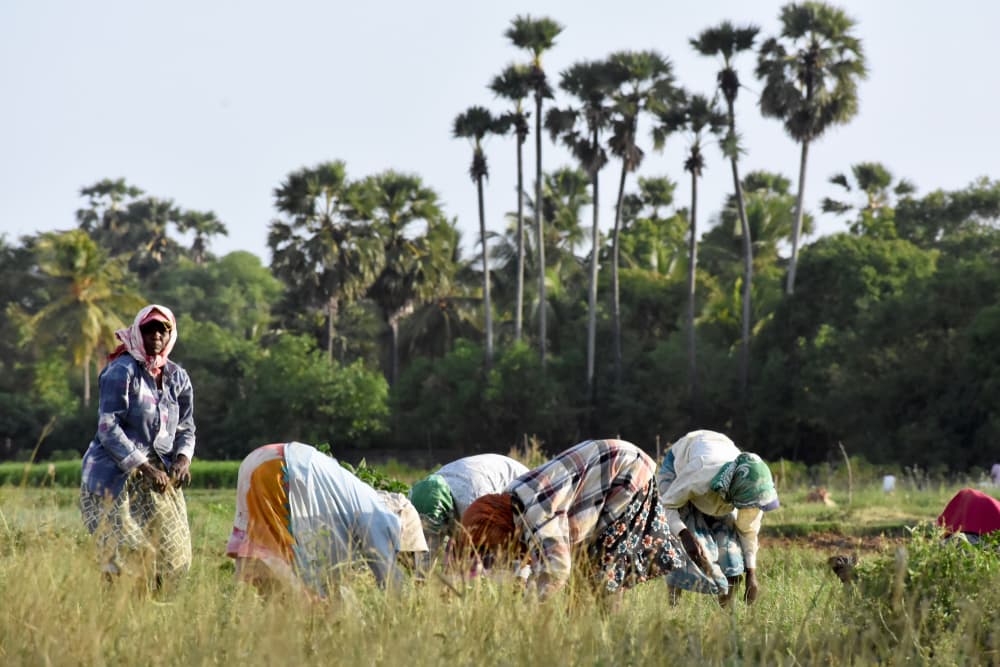
The data presented in the research show that heat-related losses in working hours are concentrated primarily in the agricultural sector, which accounts for 48 per cent of the total. This is followed by the service sector (22 per cent), manufacturing (13 per cent), construction (11 per cent), and transport and commerce (6 per cent).
“Agricultural and construction workers are particularly vulnerable due to their prolonged exposure to high temperatures and the physically demanding nature of their tasks,” said experts Oshantha Malalasekara and Chaminda Senanayaka speaking to AsiaNews.
To protect workers, it is necessary to introduce regulated breaks and rest periods, ensure adequate access to drinking water, and improve ventilation and cooling systems in workplaces.
Suggested measures also include adjusting work schedules to avoid the hottest hours of the day, as well as implementing urgent climate adaptation interventions.
Furthermore, the researchers highlight the importance of establishing temperature monitoring systems in work environments, strengthening health and safety standards, and raising awareness among workers about heat-related risks.
Social protection measures should also play a significant role, especially for those who cannot afford to reduce their working hours without losing an essential portion of their income.