Jakarta (AsiaNews) – A “rhino war” is raging in Indonesia, linked to the government’s plan to transfer some of the world’s last remaining Javan rhinos from their original habitat in Ujung Kulon National Park, in Banten province, to Alas Purwo National Park in East Java. This decision has sparked outrage and criticism from the public and civil society, with environmental activists and social media users raising concerns about the safety and future of these endangered animals. Critics have urged the government to prioritise protecting the mammals’ natural habitat, rather than exposing them to the risks associated with the relocation.
The controversy flared up after Hashim Djojohadikusumo, the Indonesian President’s special envoy for climate and energy and the younger brother of Prabowo Subianto, announced the proposal during the COP31 currently taking place in Antalya, Turkey. Speaking at the UN Climate and Environment Conference, Hashim stated that Jakarta is considering the relocation of some specimens as a precautionary measure against natural disasters, in particular a possible tsunami triggered by volcanic activity at Mount Anak Krakatau in the Sunda Strait. “If a tsunami were to occur,” he said, “our Javan rhinos could become extinct. That is why the proposal to transfer some of them to Alas Purwo has been put forward.” Nevertheless, this explanation does not convince the majority of Indonesians.
An uncertain future
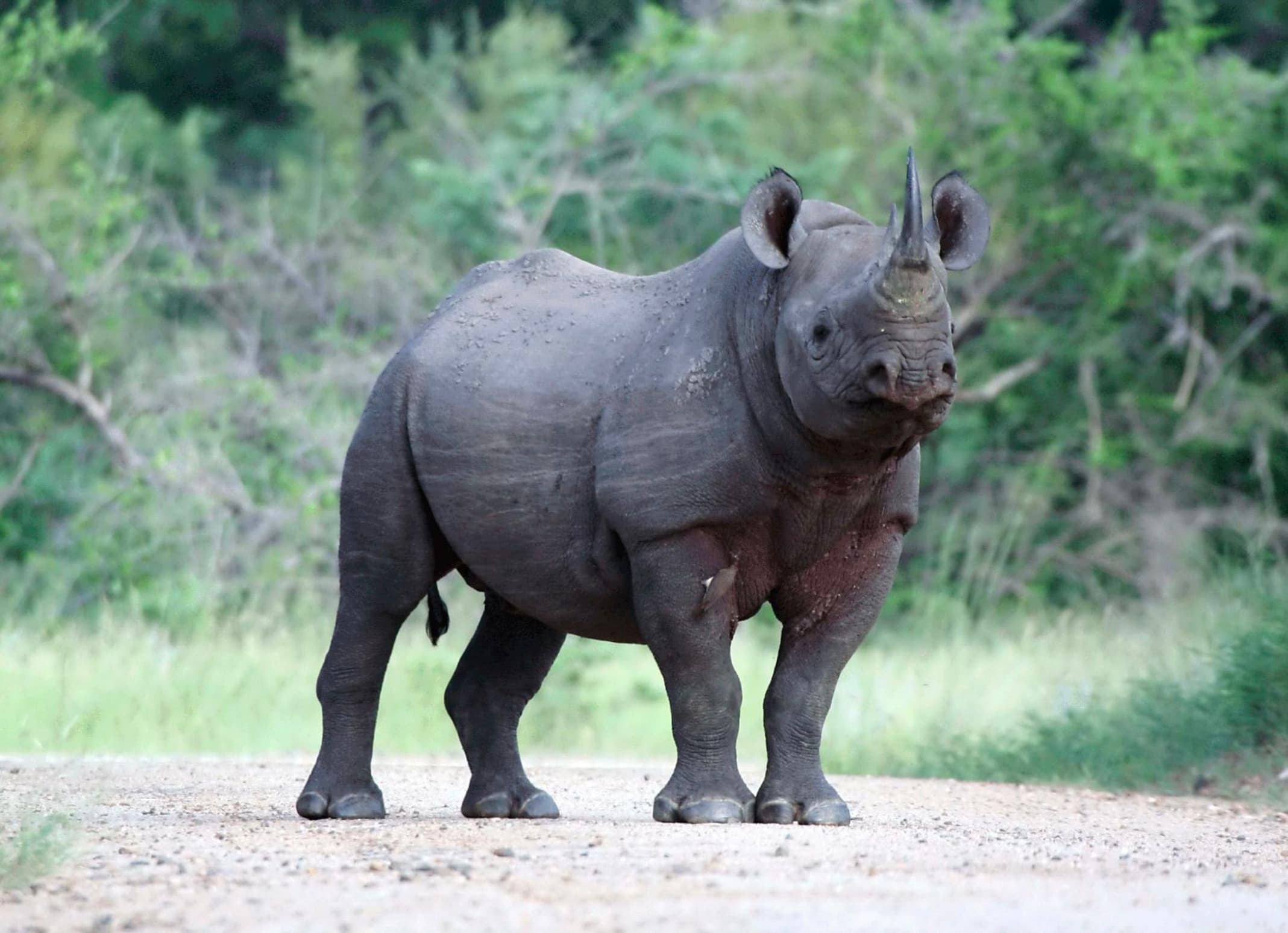
The Javan rhinoceros (Rhinoceros sondaicus) is one of the world’s rarest mammals, with its sole surviving wild population confined to Ujung Kulon National Park in Banten province. Classified as ‘critically endangered’ by the International Union for Conservation of Nature (IUCN), the species is listed in Appendix I of the Convention on International Trade in Endangered Species (CITES), which prohibits international trade in it. Its population is estimated at around 74 individuals, making every surviving rhino crucial to the species’ future. This single-horned mammal feeds mainly on leaves, shoots and other forest vegetation. Its survival depends on the availability of suitable habitat in the tropical forest, capable of providing sufficient food, water and access to natural mineral sources.
Environmentalists have warned that the species faces multiple threats, including habitat fragmentation, genetic deterioration caused by inbreeding, and the risk of catastrophic natural disasters such as volcanic eruptions and tsunamis. With the entire remaining wild population concentrated in a single national park, a single major disaster could have devastating consequences. However, critics argue that relocating such a vulnerable species without a rigorous scientific assessment could pose further risks, potentially undermining the very conservation efforts aimed at preventing its extinction.
Public outrage over Musofa
Public criticism has intensified as the proposal has brought to mind the case of Musofa: a Javan rhino that died in November 2025, just two days after being transferred to the Javan Rhino Study and Conservation Area (JRSCA) within Ujung Kulon National Park, at the tip of the island of Java, near Sumatra. The incident has resurfaced in social media discussions, with critics questioning how safety can be guaranteed during a much longer journey to East Java, given that a previous transfer within the same national park had resulted in the death of an animal.
The Ministry of Forestry, however, had maintained at the time that Musofa’s death was not caused by the transfer. Satyawan Pudyatmoko, Director-General for Natural Resources and Ecosystem Conservation, stated that the rhino, estimated to be over 45 years old, was suffering from chronic physical weakness even before its capture and transfer. Veterinary examinations found no evidence of injuries caused by sedation or organ damage resulting from acute stress. Nevertheless, the incident has heightened public fears regarding the risks associated with relocating one of the world’s rarest large mammals.
Economic interests
Beyond concerns about animal welfare, some Indonesians have questioned whether economic interests may have influenced the proposed relocation. Speculation circulating on social media has linked the plan to large-scale gold mining activities in the Cibaliung area, near Ujung Kulon National Park. However, these allegations remain unsubstantiated and no evidence has been presented to establish a link between the proposed transfer and mining interests.
Environmental organisations and concerned members of the public have also argued that the conservation of the Javan rhino should begin with the protection of its current habitat. On 14 November, the environmental organisation Jagatani rejected the proposal, arguing that the conservation of the species should start with the protection of its natural habitat rather than the relocation of the animals. Some social media users responded sarcastically, challenging government officials to camp out in Ujung Kulon and Alas Purwo and assess the conditions in both national parks for themselves before making decisions affecting this endangered species.
Jakarta: plan under consideration
Amid growing criticism, the government has emphasised that the relocation is still under review and that no final decision has been taken. Hashim went on to state that in-depth scientific assessments will be required to determine the suitability of the habitat, the animals’ health, the availability of the proposed destination and the necessary financial resources.
Jakarta is also exploring opportunities for international funding to support the development of an alternative habitat, including forest conservation funding mechanisms.
The idea of establishing a second population of Javan rhinos outside Ujung Kulon is not new. Conservation experts and government authorities have been discussing this possibility since the early 1990s. Scientists have long warned of the vulnerability of the species, whose sole surviving wild population is confined to Ujung Kulon. The creation of a second population is therefore seen as a potential strategy to reduce the risk of extinction. But for opponents of the relocation plan, the central issue is not simply where the animals might be moved to, but whether the proposed rescue operation could actually endanger the very species it aims to protect.