Ulaanbaatar (AsiaNews) – The 17th Conference of the Parties (COP17) to the United Nations Convention to Combat Desertification (UNCCD) opened today in Ulaanbaatar, the capital of Mongolia, with 196 countries and the European Union in attendance. For two weeks, governments, financial institutions, businesses, scientists and civil society will discuss concrete solutions for land restoration, sustainable soil management and strengthening resilience to drought.
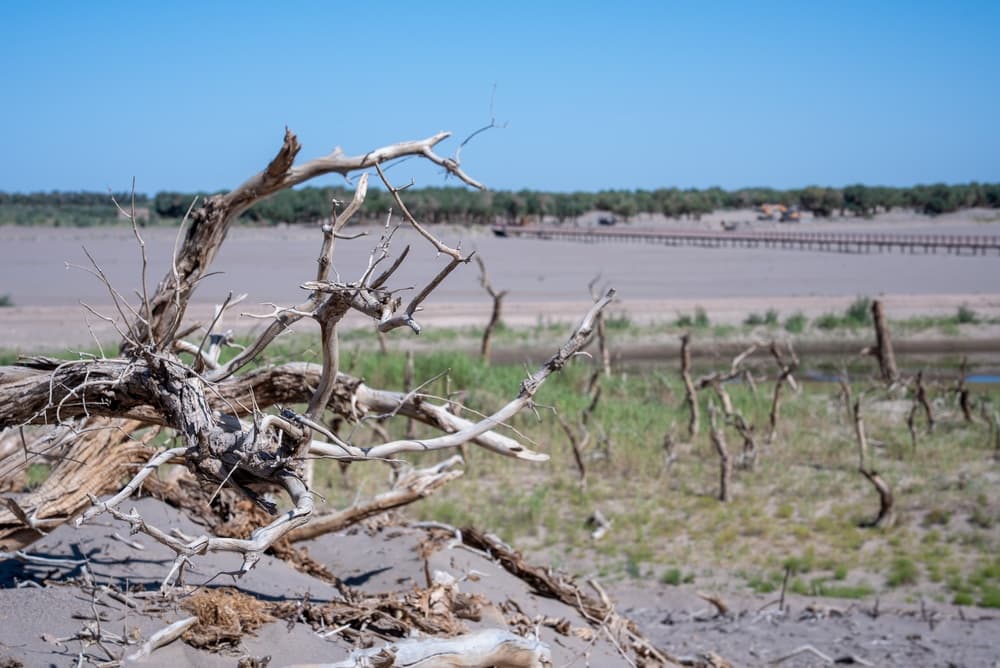
The conference is taking place at a particularly sensitive time globally on this issue – with a scorching summer in Europe and fears over the effects in the coming months of the warming of the Pacific Ocean due to the phenomenon known as El Niño. Soil degradation and drought cost the global economy almost $900 billion a year, affect up to 40 per cent of the world’s land area and impact around 3.2 billion people. Since 2000, droughts have increased by almost a third and cause annual losses of at least $300 billion.
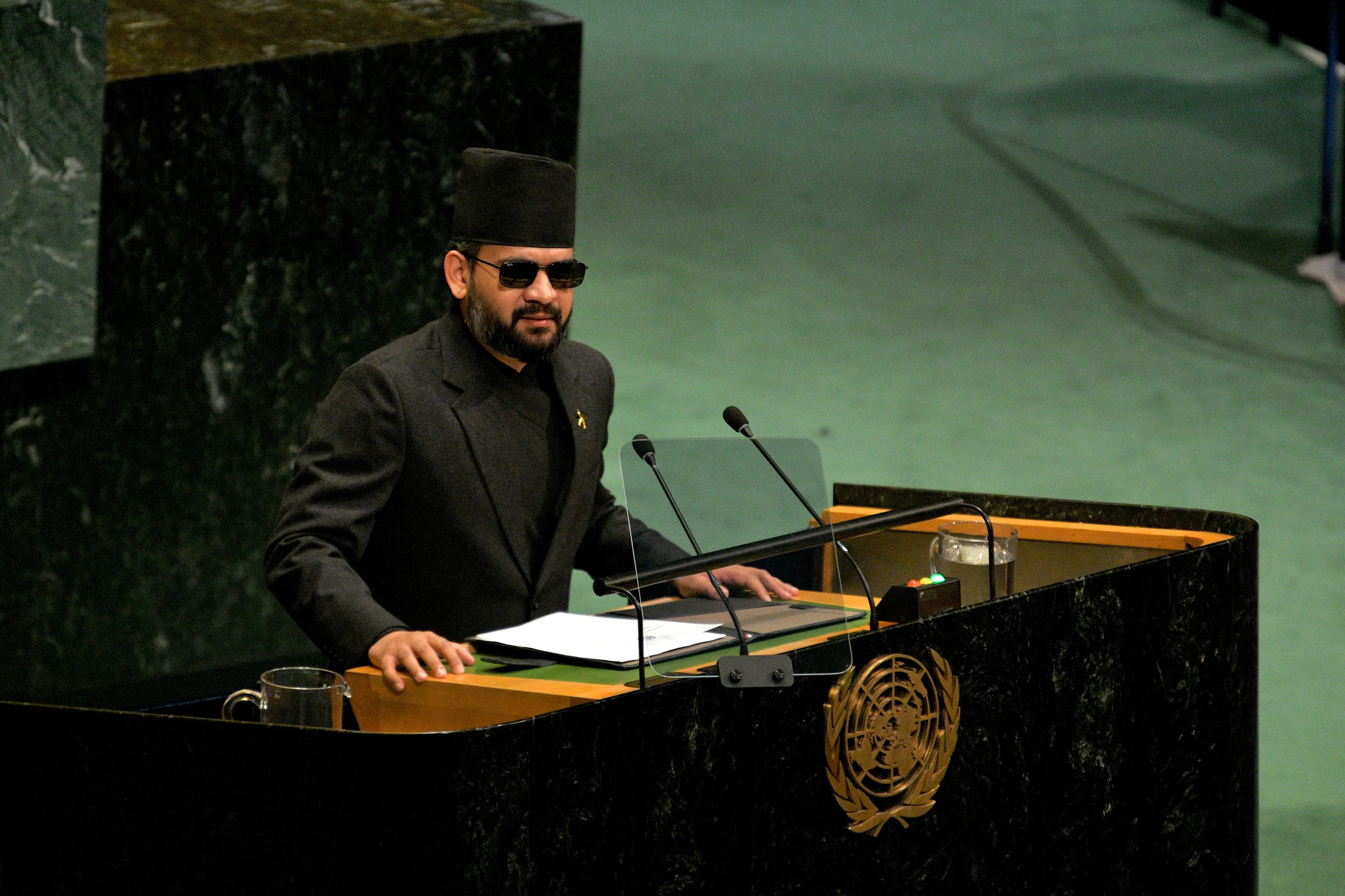
Opening the proceedings, Mongolian Prime Minister Nyam-Osor Uchral emphasised the need to move from declarations to concrete results. Among the priorities identified are greater integration between the environment, climate and biodiversity; increased investment in land restoration; closer collaboration between governments, financial institutions and the private sector; and greater attention to local communities and pastoralists. Science, technology and innovation must also be transformed into practical and fundable solutions.
According to the UNCCD’s Executive Secretary, Yasmine Fouad, soil degradation and drought are no longer distant environmental problems, but directly threaten food production, water availability, economies and the security of communities. For this reason, COP17 should become an implementation-focused conference, capable of rolling out already available solutions on a large scale and transforming international commitments into measurable results.
The case of Mongolia
Mongolia represents a particularly significant case: around 77 per cent of its territory is degraded, and pastoralism provides an income for one in three inhabitants. In 2023 and 2024, a severe summer drought followed by winters characterised by the dzud phenomenon (a particularly intense cold snap following a dry summer – ed.) led to the loss of over seven million head of livestock, highlighting the vulnerability of communities in arid regions.
One of the key themes will be drought resilience. More than 70 countries worldwide have already drawn up national drought plans, compared with just three in 2013. Investment in prevention proves particularly cost-effective: every dollar invested in resilience can generate up to 10 dollars in benefits, whilst some nature-based solutions can yield returns 27 times greater than their cost.
All this, however, requires substantial funding. Around $355 billion would be needed globally each year to combat land degradation and drought, but current investment amounts to just $77 billion, leaving a shortfall of $278 billion. The private sector currently contributes only around 6 per cent of the funding allocated to land restoration and drought resilience. COP17 will therefore seek to mobilise more private and public capital, with the aim of reducing risks for investors.
The rangeland crisis
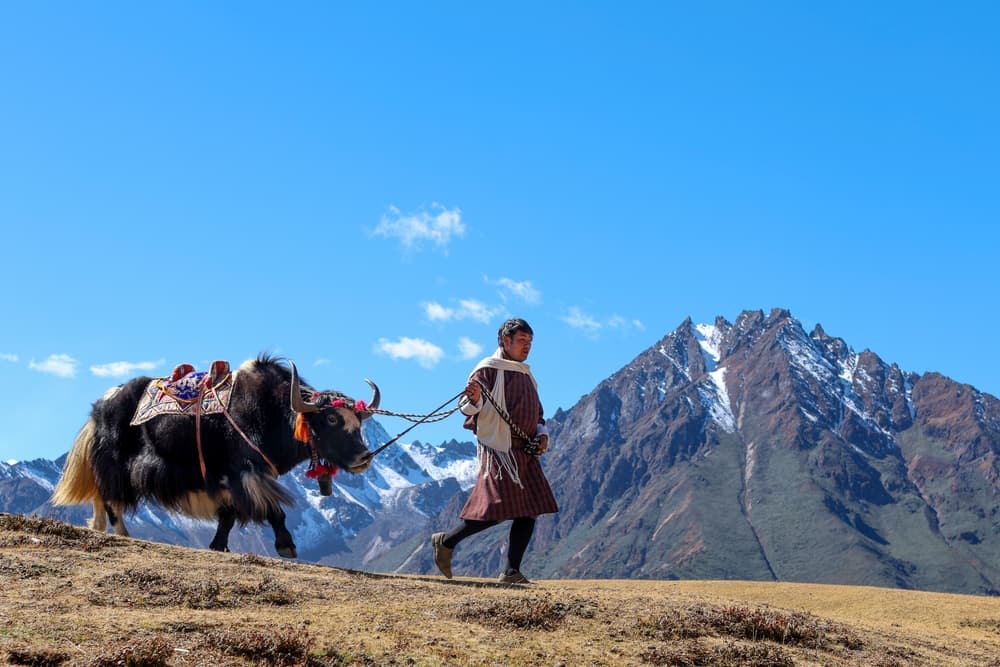
Significant attention will also be devoted to rangelands, which cover 54 per cent of the world’s land area and provide a livelihood for around two billion people. They produce one-sixth of the world’s food and around 70 per cent of livestock feed, but up to half of the world’s rangelands are currently degraded or at risk. The conference is expected to promote a new policy framework and the Rangelands Flagship Initiative to foster sustainable management and strengthen the livelihoods of pastoralists.
During the second week of the conference, there will be four thematic days dedicated to finance, water, land and people, food systems and soil health. Indigenous peoples, local communities, young people, women, parliamentarians, mayors, businesses and investors will also be involved.
COP17, which will conclude on 28 August, will take decisions designed to guide the work of the UNCCD in the coming years. The main objective is to translate political agreements into investments, partnerships and concrete actions capable of halting and reversing soil degradation, combating desertification and making communities more resilient to drought and climate change.