Milan (AsiaNews) – Wars, fuel crises, conflict-related environmental disasters such as the recent incident in the Gulf, and the development of artificial intelligence (AI) technologies that require intensive energy use are jeopardising global warming mitigation targets.
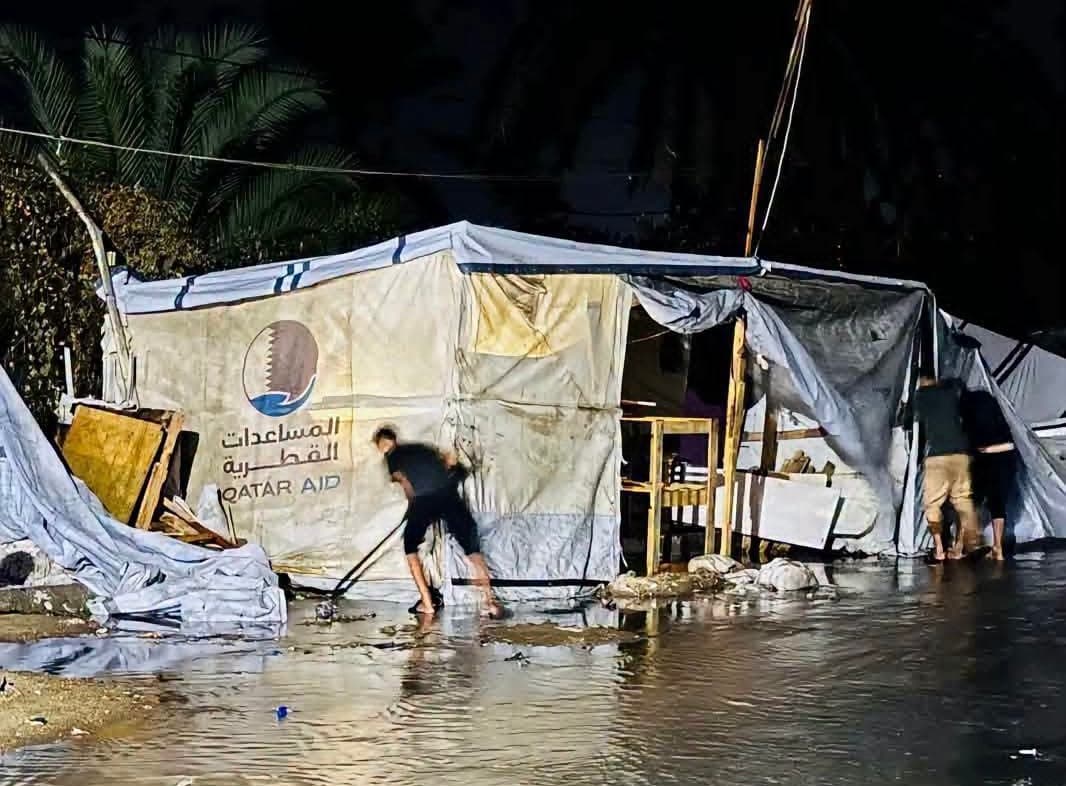
The 31st Conference of the Parties to the UN Framework Convention on Climate Change (COP31), which opened yesterday in Antalya, Turkey, in the presence of around 200 representatives from various countries, presents more challenges and critical issues linked to global tensions than any previous conference. In particular, those that have been ongoing for some time in the Middle East – a region rife with conflicts that are having a severe impact (including) on the environment.
The world’s leading event dedicated to negotiations on climate, the health of the planet and its inhabitants, scheduled to run until 20 November, coincides with the tenth anniversary of the entry into force of the Paris Agreement. There are also pressures and challenges regarding energy security, given the growing distancing of Donald Trump’s United States – the main contributor to emissions – which formally withdrew from the agreement at the start of the year.
The US withdrawal is counterbalanced by the activism of the Turkish government and President Recep Tayyip Erdogan, who intends to use this international platform to revitalise the fight against global warming; the aim, experts explain, is to electrify over a third of the global economy by 2035, compared with the current figure of around a fifth.
This is an ambitious programme, although Ankara itself is struggling to respond effectively to energy needs and to protect the environment – which, as its inhabitants complain, is in a state of progressive degradation in many areas – even resorting to the use of force to quell protests. Moreover, like other nations, Turkey faces growing risks linked to heatwaves, droughts, water shortages, forest fires and floods. Last month, for example, rainfall described as ‘the heaviest’ in the last 80 years caused severe flooding in Istanbul, resulting in the deaths of eight people.
Climate, diplomacy and geopolitics
COP31 opened yesterday against a backdrop of converging extremes: an unprecedented disruption to global supplies, high energy costs, an intensification of geopolitical conflicts and an acceleration of climate change. Although the protracted crisis in the Middle East has reinforced the need to reduce dependence on imported fossil fuels, governments remain divided on issues such as trade disputes, rising public debt and disagreements over funding.
Analysts and experts point out that the sharing of climate policies – once a common cause – is now shifting towards smaller groups or those linked by shared interests. The Antalya summit will therefore ultimately test the resilience of multilateral action in the face of tensions. At the same time, the two co-hosting countries, Turkey and Australia – having set aside their deep divisions – are seeking a broad consensus on the less controversial issue of electrification.
At COP28 in 2023, countries committed, through a historic agreement, to phasing out fossil fuels; however, the path from promises to action has been marked by a series of difficulties that have upended the initial premises. Subsequently, COP30 in Brazil concluded with an agreement that makes no explicit reference to fossil fuels, largely due to the opposition that emerged amongst oil-producing nations.
The government in Brasília has drawn up a voluntary ‘roadmap’ with proposals for the phasing out of fossil fuels, which each nation can adapt to its own specific circumstances. Ankara and Canberra intend to avoid a clash in 2025, but unresolved issues remain, such as the financial commitments of rich nations to developing countries regarding adaptation to climate change and the transition to clean energy.
The mid-term elections have given new impetus to climate activists: the Democrats have, in fact, gained control of Congress, dealing a severe blow to Trump, who regards global warming as a hoax. A delegation of MPs will attend COP31, but the US administration will not take part in the negotiations. Having defeated Flavio Bolsonaro at the polls, Brazilian President Luiz Inácio Lula da Silva intends to attend the summit.
Conflicts and tensions
COP31 is also unfolding against a backdrop of internal tensions within Turkey and international tensions, which are separate from the climate issue. NGOs and activists have expressed concern over the restrictions imposed on protests, including blanket bans on demonstrations, mass detentions and the disproportionate use of force. “As Turkey prepares to host the annual summit,” emphasises Deniz Bayram, a researcher on Europe and Central Asia at Human Rights Watch (HRW), “the crackdown on environmentalists is a clear example of its intolerance towards dissent.”
At the same time, the conflict between the United States and Iran is driving nations to scramble to secure oil supplies and to reactivate coal-fired power stations; the rapid spread of artificial intelligence is causing energy demand to soar, and the world’s historically largest emitter of greenhouse gases continues, for the second year running, to shirk its responsibilities on climate cooperation. “It is difficult to be optimistic,” says John Holdren, professor of environmental policy at Harvard University.
A coalition of countries – including the island nations of the South Pacific, which are the most vulnerable to rising sea levels – is pressing for a clearer global roadmap towards phasing out fossil fuels, a contentious issue. Conversely, many oil- and gas-producing countries, including Saudi Arabia, argue that they will continue to form a substantial part of the global energy mix, even in a climate-conscious world, provided they are supported by technologies capable of reducing or capturing emissions.
The conflict between Tehran and Washington (and Israel) has highlighted just how dependent the world still is on crude oil and gas, as has Russia’s invasion of Ukraine and the resulting sanctions on Moscow’s energy exports. The conflict in the Gulf, now in its ninth month, has severely hampered oil shipments from the Middle East through the Strait of Hormuz, causing prices to soar and prompting governments to seek new sources of supply.
Trump has promoted policies aimed at maximising the production of oil, gas and coal to address regional challenges. South Korea, India, Thailand and other Asian nations have increased their reliance on coal or taken steps to boost energy production through coal-fired power stations. Nevertheless, the disruptions caused by these conflicts have also highlighted the benefits of a transition to renewables.
Artificial intelligence (AI) has also introduced a new variable, as its rapid spread is driving a surge in global energy demand, contributing to rising greenhouse gas emissions. The International Energy Agency (IEA) forecasts that by 2030, data centres around the world will consume around 945 TWh of electricity per year – double the current figure and equivalent to Japan’s total annual electricity consumption. Furthermore, by 2030, the amount of water required to cool them will rise to 1,200 billion litres a year. To address this risk, Turkey is urging nations and businesses to sign up to a principles-based commitment aimed at ensuring that artificial intelligence is developed and implemented in a sustainable manner.
Agenda: themes and objectives
Among those expressing concern over the inaction of governments and institutions is Caritas, which is launching an appeal to protect those most affected by the climate crisis. Addressing global leaders, the Caritas Confederation recalls the message of Pope Leo XIV and calls on them to “hear the cry of the earth and the cry of the poor, and finally translate commitments into concrete actions in support of the communities most affected by the climate crisis”. Finally, it reiterates a four-point call for concrete action: climate finance, which is a matter of justice rather than charity; putting people at the centre, in accordance with the ‘loss and damage’ principle; a truly just transition, for a fair phase-out of fossil fuels; and greater ambition, in line with the 1.5°C target.
The Antalya summit will also address issues discussed in the past, such as climate finance, fossil fuels, deeper emissions reductions and funding for the loss and damage suffered by countries that have contributed least to climate change. Of these, the financial issue is likely to prove the most contentious. Another issue to be addressed is the mechanism for a ‘just transition’, the development of which was agreed at the previous summit.
This mechanism aims to strengthen cooperation and provide technical support to economies that are phasing out carbon-intensive industries. The meeting of heads of state and government will take place on 11 and 12 November, with Erdogan acting as host and ready to offer world leaders a platform to share priorities and commitments. However, doubts remain as to how it should operate in practice and, for this reason, further discussions are planned, although few are betting on effective outcomes or shared commitments.
Since COP26 in Glasgow – with the launch of the Global Methane Pledge – over 150 countries have committed to reducing methane emissions, which account for 30 per cent of global warming. According to the UN Environment Programme’s 2026 Emissions Gap Report, the most ambitious target of the Paris Agreement – limiting global warming to 1.5°C – is out of reach.
To keep global warming well below 2°C, emissions would need to be reduced by 18 per cent by 2030, 45 per cent by 2035 and 69 per cent by 2040 compared with 2025 levels, but current data suggest these targets will not be met.
Some countries, including China and Saudi Arabia, have called for more time, arguing that the dominance of developed nations in the field of climate science would ultimately skew the conclusions. Scholars do not expect a single major outcome or decisive breakthroughs from COP31, but they view it as positive that governments continue to meet in this formal setting. Because climate action and the hope for a better future remain “a living and ongoing commitment”.
GATEWAY TO THE EAST IS THE ASIANEWS NEWSLETTER DEDICATED TO THE MIDDLE EAST. WOULD YOU LIKE TO RECEIVE IT EVERY TUESDAY? TO SUBSCRIBE, CLICK HERE