The clash over reforms and Ukraine’s future
What will happen to Kyiv’s economy when the war ceases to be the main obstacle, whilst its consequences – labour shortages, destroyed infrastructure, the need for capital and security risks – remain?

What will happen to Kyiv’s economy when the war ceases to be the main obstacle, whilst its consequences – labour shortages, destroyed infrastructure, the need for capital and security risks – remain?
There is a growing popular demand for ‘left-wing’ politics. Among the demands is a tax on the super-rich in response to social inequality. Young people are joining radical left-wing groups in search of the ‘truth’ and clashing with Nazis on the streets. In a climate of weariness, any demand holds great potential. The steady, though not yet catastrophic, decline of United Russia and Putin.
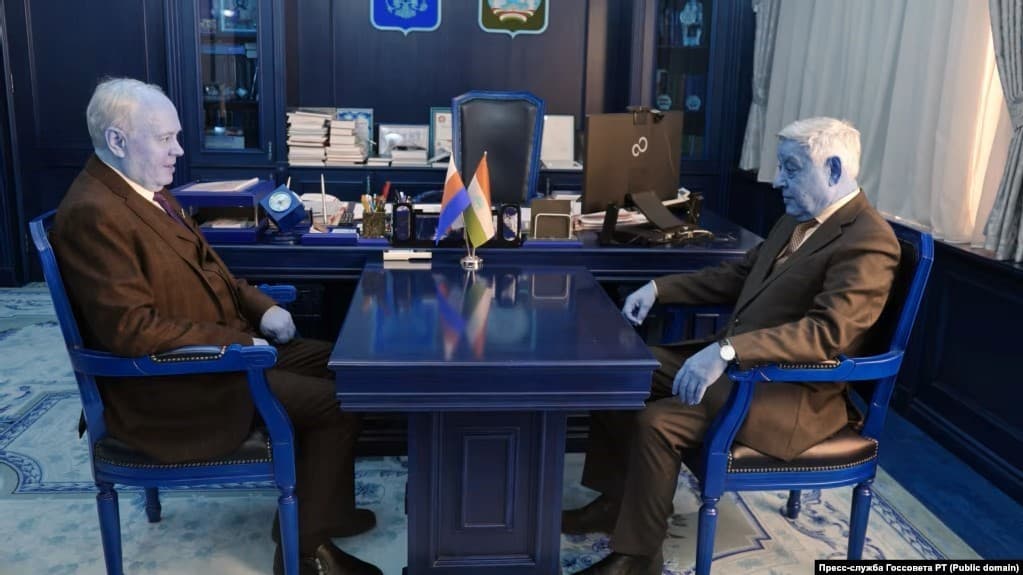
The death and retirement of two politicians who, for almost thirty years, led the local parliaments of Bashkortostan and Tatarstan offer a glimpse into their loyalty to every form of power during Russia’s transition of regimes. Icons of the process that, with the war, has now reduced the entire country to global isolation
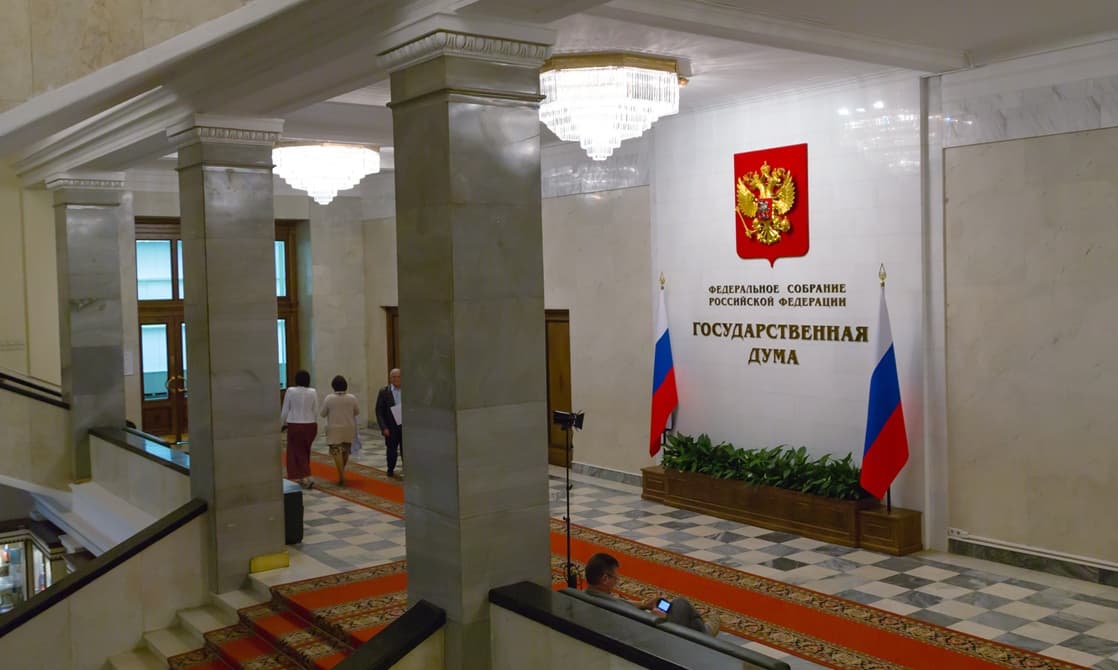
In September, Russia will go to the polls for parliamentary elections, and in the campaign that is now getting underway, the traditional allies of United Russia, Putin’s party, appear for the first time to be intent on distancing themselves in order to capitalise on popular discontent. Thus, to close ranks, the Kremlin is rallying the loyalist leaders of local administrations.
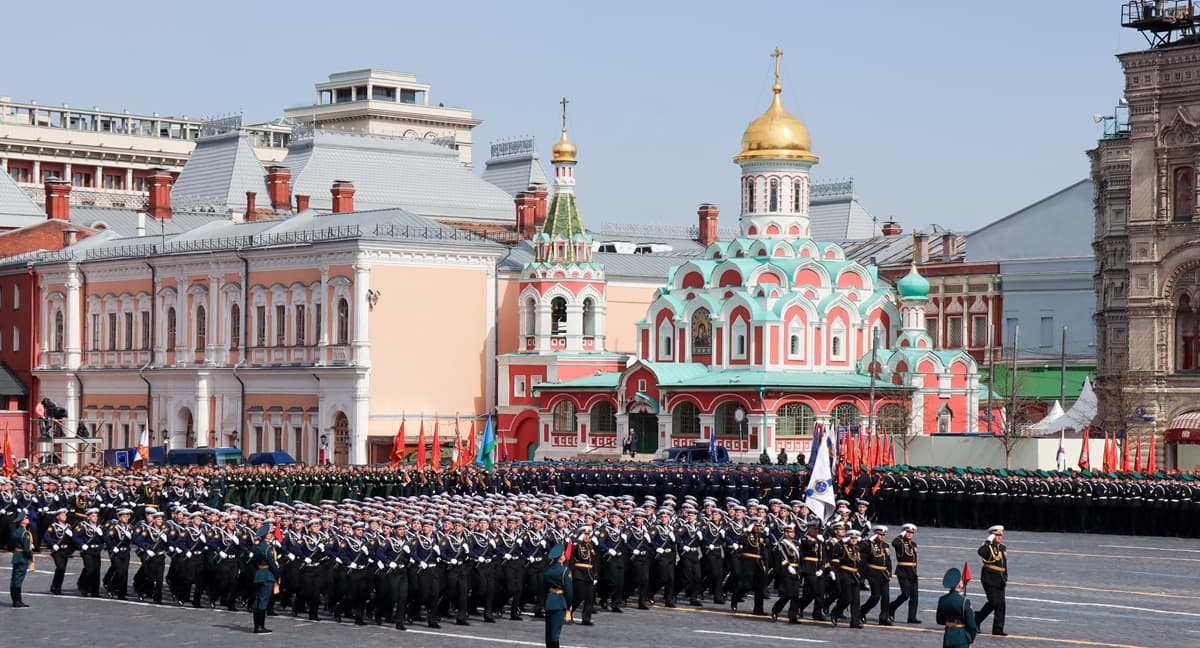
Behind Putin’s remarks at the Victory Day parade regarding the “possible end of the war” (albeit at an unspecified time) lie the risks that a further prolongation of the conflict would now pose to the stability of Russian society. Thus, despite the deadlock in negotiations, Moscow is attempting to revise its propaganda narrative to give the impression that it has nonetheless achieved its objectives in the ‘special operation’ in Ukraine.
Located in the Ulaanbaatar Cathedral compound, the centre is meant to foster the inculturation of foreign missionaries and volunteers engaged in pastoral and social activities, deepening their knowledge of the local language, history, and society. The inauguration coincided with Pastoral Week, which saw the small Catholic community reflect on the theme, “Grace and Mission”.
The resignation of Archbishop Paolo Pezzi of the Archdiocese of the Mother of God at Moscow marks a delicate transition for Russia’s Catholic community, a process that will also affect relations with Russian authorities and the Orthodox Patriarchate. Citing health reasons that currently make it impossible for him to administer the large diocese, the prelate, who has led the local Church since 2007, calls for unity. Now succession becomes a major issue.
The level of state control over what citizens say and write in Moscow today is now greater than it was in the Soviet Union before Gorbachev. Every police officer, traffic warden or judge adheres to this line; everyone understands that one can no longer speak of politics or criticise those in power, and even the most innocuous expressions are monitored.
From political divisions with Washington, which has announced troop withdrawals, to the limitations demonstrated by air and naval forces during the Middle East crisis: senior European military officers insist on the need to prepare for a possible Russian attack on a NATO country by 2030. And with the increasingly real threat of drones, military cooperation with Ukraine is being strengthened.
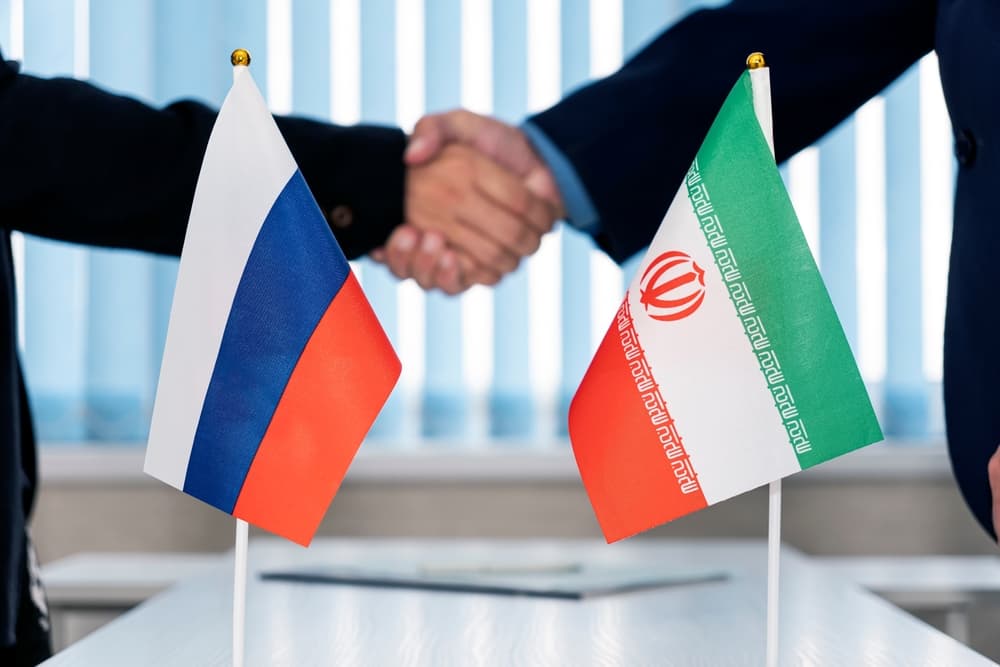
Foreign Minister Abbas Arakhchi’s visit to St Petersburg has confirmed that, following the invasion of Ukraine, Iran has become an “irreplaceable supplier” to the Russian army, which has been weakened by problems with arms production and heavy losses at the front. Meanwhile, Moscow’s know-how is now making Tehran’s drone attacks more effective in terms of navigation and precision.
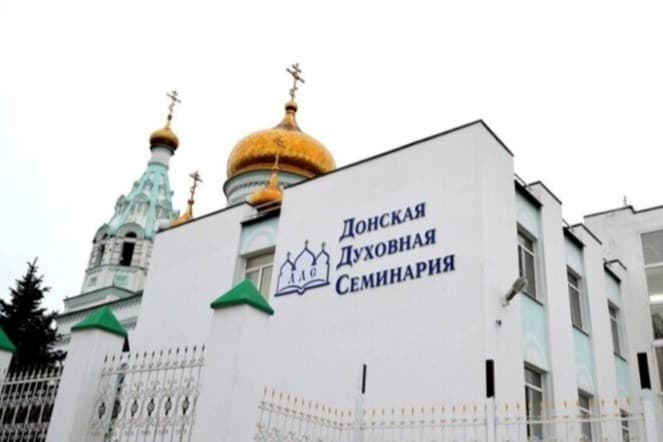
At the Donskoy Seminary in the Rostov region, a master’s programme on the charitable dimension of the Church has been launched at the Synod’s behest. This marks a new direction in Russian Orthodox theological studies, with a programme that seeks to develop an ‘innovative’ approach, employing both scientific and spiritual methodologies.
For Russian philosopher Epstein, a new electronic and digital "Iron Curtain” is upon us. With the collapse of the Soviet totalitarian system, a new, immense and enveloping virtual system has emerged. Today's wall is not easily controlled by a centre of absolute power, but efforts are underway to plug the holes and sever connections. Putin's challenger is no longer Navalny, but Durov, founder of Telegram.
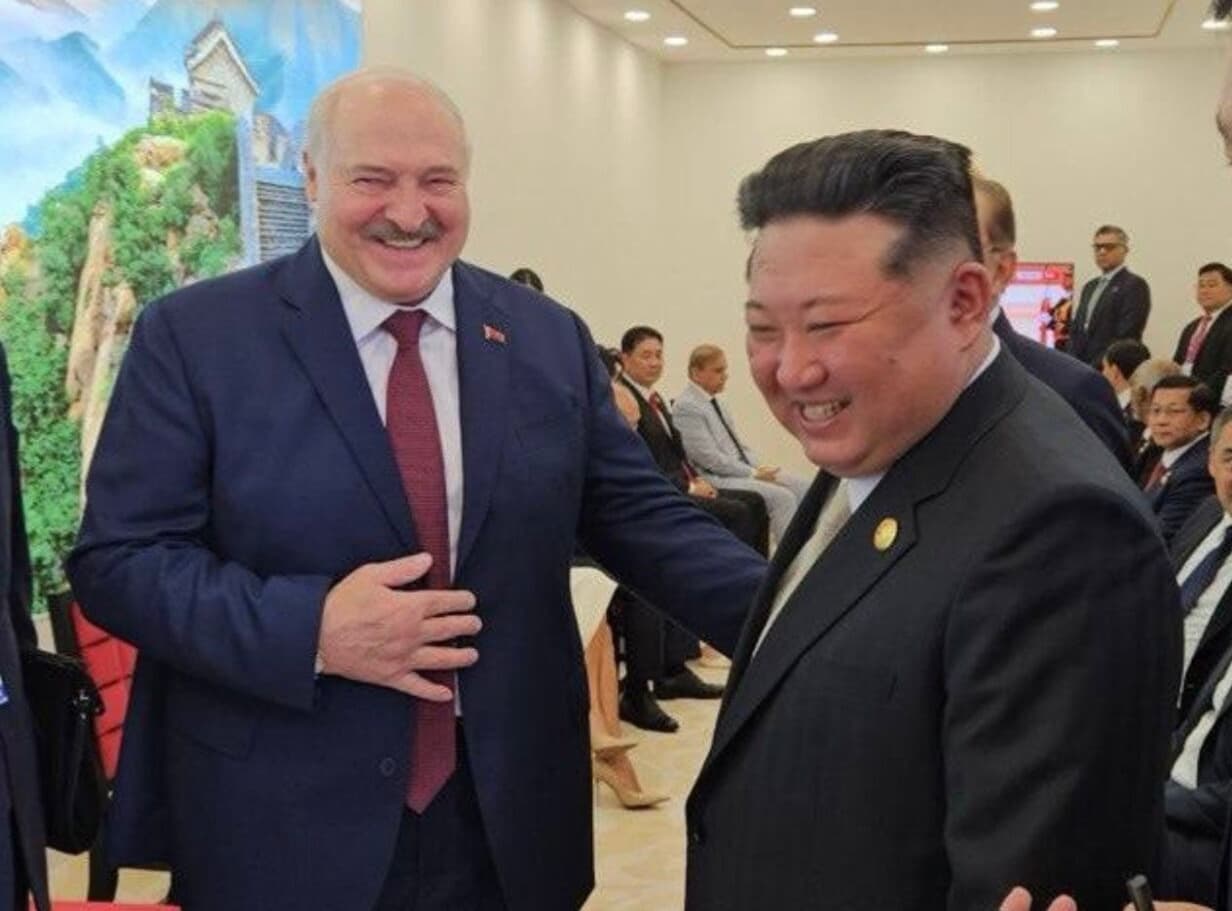
The meeting between North Korea’s leader and Belarus’s Lukashenko marks a new course. The North Korean regime is managing its isolation as a strategic resource rather than simply enduring it. Pyongyang is choosing its interlocutors, building relationships, and using the diversification of its partners as a tool to maintain its autonomy from Beijing and Moscow with a growing focus on Southeast Asia at the expense of South Korea.
Subscribe to the newsletter to receive verified news, analysis and insights from Asian countries every week.
Subscribeto the newsletter