Astana (AsiaNews) – Kazakhstan has recently banned most imports of Russian wheat, whilst its main trading partner, China, has dealt Moscow two heavy blows. Firstly, Beijing refused to supply naval propulsion systems for the cargo ships that Russia intended to use to develop the Northern Sea Route in the Arctic.
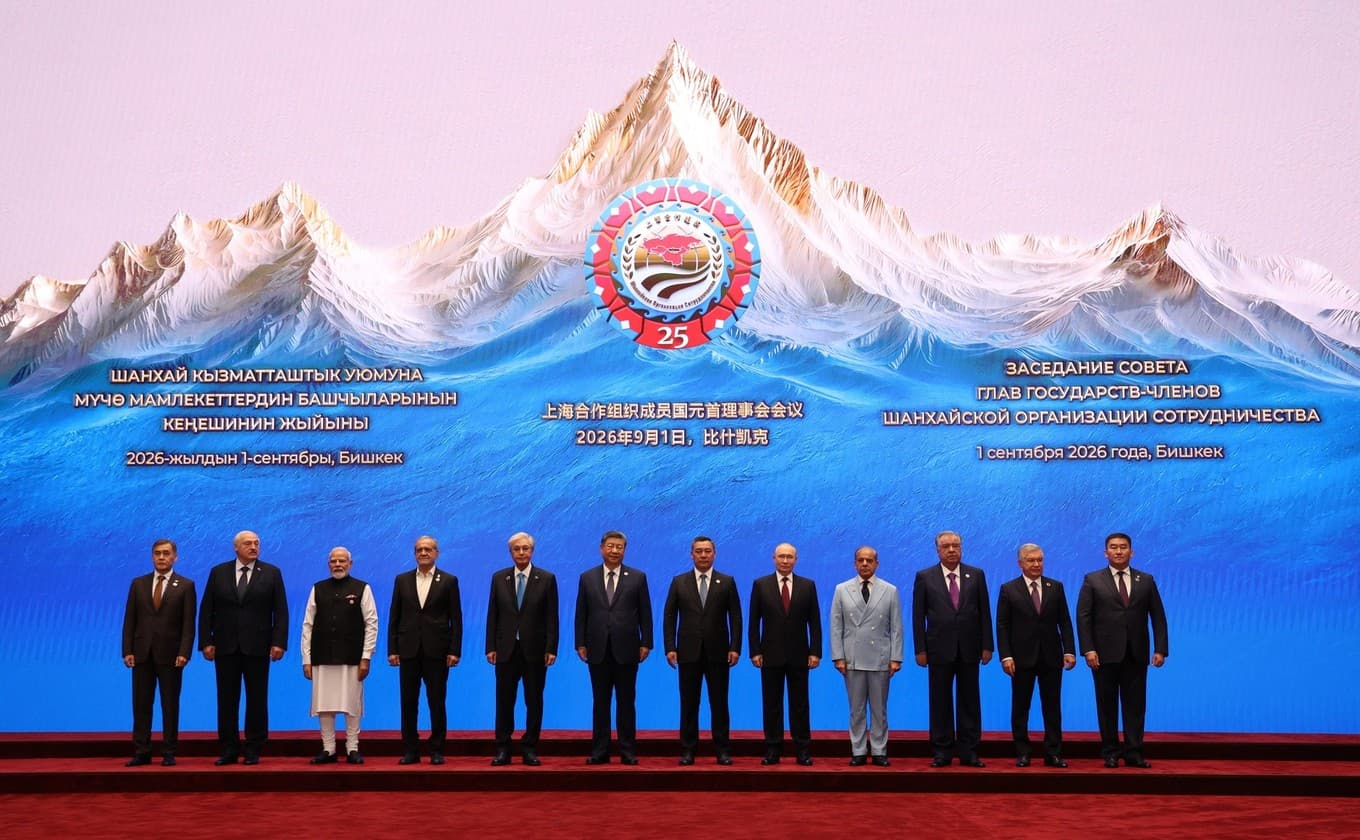
Secondly, it has effectively blocked the ‘Power of Siberia-2’ gas pipeline project: Russian President Vladimir Putin, meeting Xi Jinping in Bishkek a few days ago to mark the 25th anniversary of the Shanghai Cooperation Organisation (SCO), pleaded with him yet again to agree to the project, only to receive the usual refusal. Several international publications claim that China and the countries in Asia closest to Russia are changing course and quietly distancing themselves from Moscow.
Relations remain largely in limbo, as these countries attempt to reduce their dependencies without severing ties with Russia entirely. This is particularly evident in the case of Azerbaijan, which has recently been issuing hostile statements, only to reiterate that ‘relations with Russia are good’, followed by further statements claiming that relations are very poor – a complete contradiction.
As several experts observe, attempts are already being made to build a sort of framework for the post-war world, in which ‘friendly’ Asian countries are seeking to retain some opportunities for profit on the Russian market and maintain minimal contacts with Russia.
Unlike Russia, which has entered into a direct confrontation with the West, all the countries that remain Russia’s allies – including military allies – such as Iran, China and North Korea, are very cautiously seeking to avoid the risks of sanctions affecting their own economies.
At the same time, of course, there is no question of isolating Russia or severing ties. Rather, it is a matter of seeking to build the most effective model of cooperation at this juncture, based on the current understanding of events, including capitalising on the situation in which Moscow currently finds itself.
Today, Russia is heavily dependent on the Chinese economy. Without Beijing’s support, the Russian economy would be completely different; according to various commentators, it is difficult to say how long this dependence will last, or to what extent it will persist after the war, but today China is playing a key role in helping the Russian economy adapt to the pressure of sanctions unprecedented in the history of the last four years.
Russia itself needs (something unthinkable just a few years ago) support and access to certain resources, such as oil and gas, and China is taking advantage of this situation, seeking to gain the upper hand in negotiations.
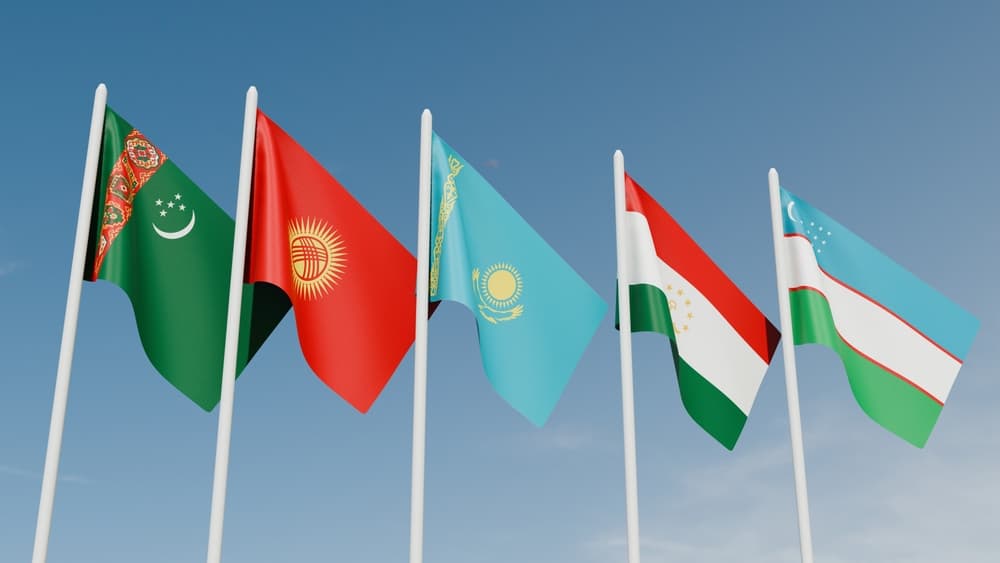
Central Asia is exercising the utmost caution: since the start of Russia’s war against Ukraine, all five countries have declared a neutral stance, and their presidents are avoiding making public comments on the war itself.
One exception was the statement made by the President of Kazakhstan, Kasym-Zhomart Tokayev, in the summer of 2022 at the St Petersburg Economic Forum, in which he refused to recognise the ‘independent republics’ of the Donbas.
Since then, however, even the official rhetoric from Astana has become considerably more restrained: ‘Tokayev always chooses the most neutral phrasing when it comes to the war. Last year, for example, he even began to say that Russia is invincible on the battlefield. These statements demonstrate that Kazakhstan is dependent on Russia. Our leaders are trying not to provoke Moscow, not to take an opposing stance”, comments Kazakh sociologist Serik Beisembayev, director of the independent research centre PaperLab.
The position of Kyrgyz President Sadyr Žaparov had also become controversial in the early days of the war. Following a telephone conversation between Putin and Žaparov, the Kremlin reported that the Kyrgyz leader had “expressed support for Russia’s actions to protect the civilian population of the Donbas”; the Kyrgyz administration’s official statement, however, did not contain such words. Relations between Russia and Asia, rather than the much-heralded ‘pivot to the East’, now seem to reflect a loss of direction, amidst steppes and mountains without any real boundaries.