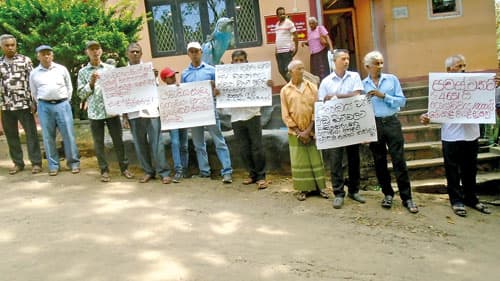
Dhaka (AsiaNews) - The closure of over 400 garment factories in Bangladesh over the last three years has left thousands of people out of work, forcing some to resort to informal work to survive. “I’m unemployed. I can’t find a new job. Now, every now and then, I drive a rickshaw,” Rubel Islam, a former worker at The Delta Knit in Gazipur, told AsiaNews.
Factory closures and unemployment
Rubel is one of many workers facing hardship following the closure of factories in Bangladesh’s main industrial areas. Their families, including elderly parents and relatives living in villages, often depend on their earnings.
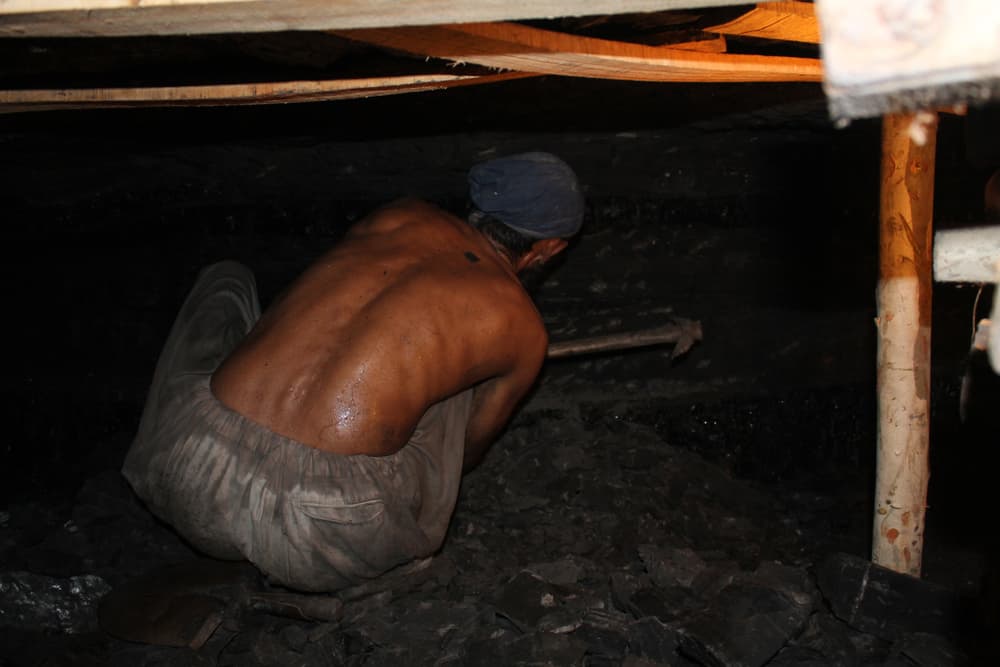
Another former textile worker, Rafiqual Islam, who worked at Season Dresses in Khapara, Tongi, said that losing his job had drastically changed his life. “I’m living an inhumane life. For a while, I supported my family by selling vegetables. However, when the factory was operating, I had money left over from my wages after covering household expenses,” he said.
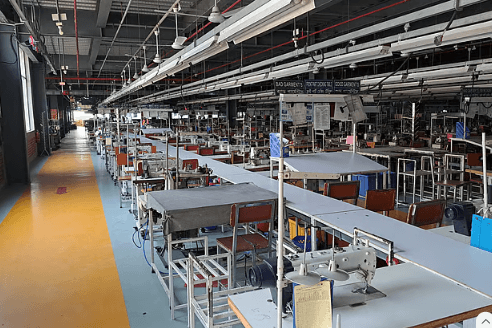
Recent closures in Gazipur include Tms Apparels, Niagara Textile, Mahmud Jeans, Hardy to Excel, Polycon Limited, Apparel Plus, Trz and The Delta Knit. Workers affected by the closures have reported difficulties in finding new jobs, whilst some have turned to driving rickshaws, selling vegetables or working as day labourers.
Crisis highlighted in Parliament
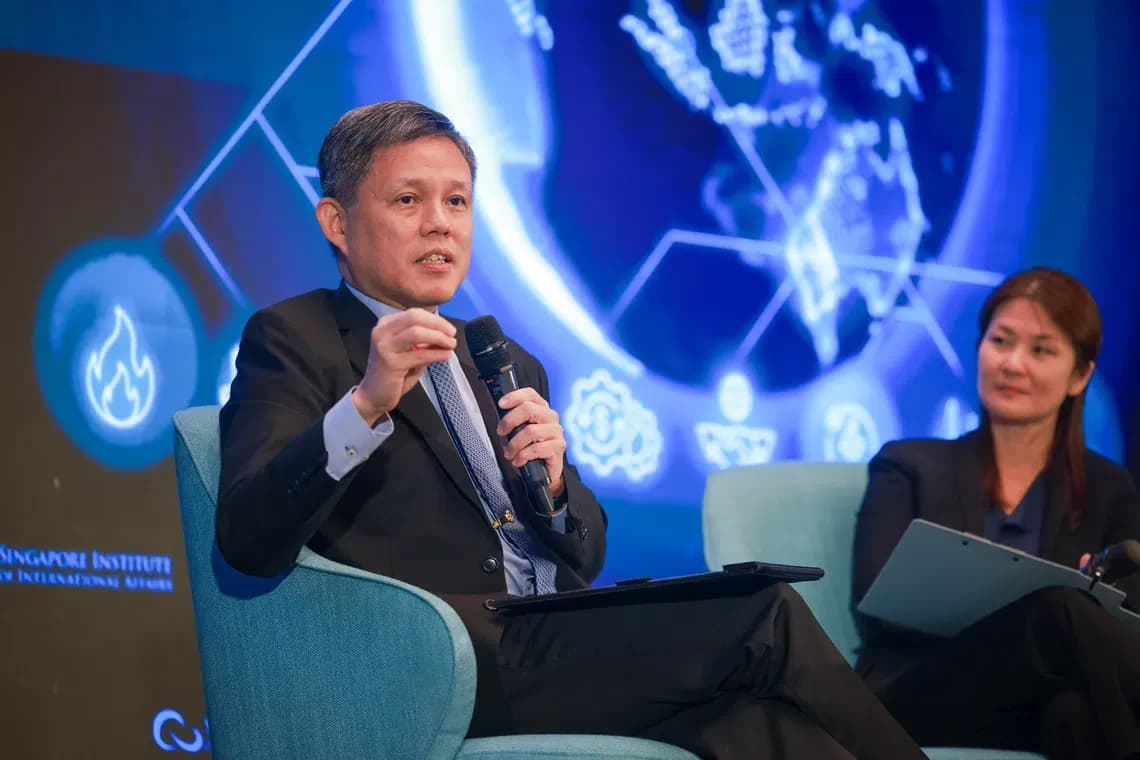
The crisis was also highlighted in Parliament on 3 September, when the Minister for Commerce, Khandaker Abdul Muktadir, stated that 405 garment factories had closed their doors between July 2023 and June 2026. Of these, 282 were members of the Bangladesh Garment Manufacturers and Exporters Association (BGME) and 123 belonged to the Bangladesh Knitwear Manufacturers and Exporters Association (BKME). The government is still compiling a full list of the closed factories.
The minister responded to a question from MP Mohammad Ruhul Amin during a sitting chaired by the Speaker of the Assembly, Hafiz Uddin Ahmad. Muktadir attributed the closures to a combination of global and domestic pressures, including the economic impact of the Covid-19 pandemic, the war between Russia and Ukraine, conflicts in the Middle East, the standoff between the United States and Iran, the global economic slowdown, political instability in Bangladesh and a liquidity crisis in the banking sector.
He also cited growing competition from countries benefiting from free trade agreements with the European Union, including India and Vietnam. Foreign buyers, he said, are often reluctant to place orders with small and medium-sized factories because they are more difficult to monitor.
The government has introduced several measures to support the sector, including cash grants for export-oriented textile manufacturers, additional incentives for exporters to the European market and special support for small and medium-sized enterprises in the ready-made garment sector. However, for workers such as Rubel and Rafiqual, the immediate concern is more basic: finding another job and keeping their families afloat whilst the country’s garment industry faces growing difficulties.