Dhaka (AsiaNews) – Rajan Hossain left Bangladesh hoping that a job in Russia would lift his family out of poverty. Instead, the young migrant worker found himself on the frontline of the war in Ukraine. A drone strike shattered his pelvis, leaving him severely injured and struggling to walk.
Rajan was one of 30 Bangladeshis allegedly trafficked to Russia after being promised lucrative construction jobs.
Bangladesh’s Special Response Battalion (SRB) says at least 20 of the group have since died, including 17 in drone strikes on their first day of deployment.
“Part of my body was almost completely paralysed,” Rajan told Bangladeshi media after returning home.
Of the 30 Bangladeshis, two wounded survivors have returned home, two others are being treated in Moscow and six remain on the battlefield, according to the SRB.
The case highlights the risks faced by Bangladeshis who seek economic opportunities abroad and become targets for fraudulent recruiters.
Sent to the front as bait
According to investigators, the 30 men travelled to Russia on 7 May through three recruiting entities after paying an average of about Tk 1 million (roughly US$8,200) each.
Instead of receiving the promised jobs, their passports and mobile phones were confiscated and they were handed over to the Russian military.
After only 21 days of military training, the Bangladeshis were deployed to different sections of the battlefield.
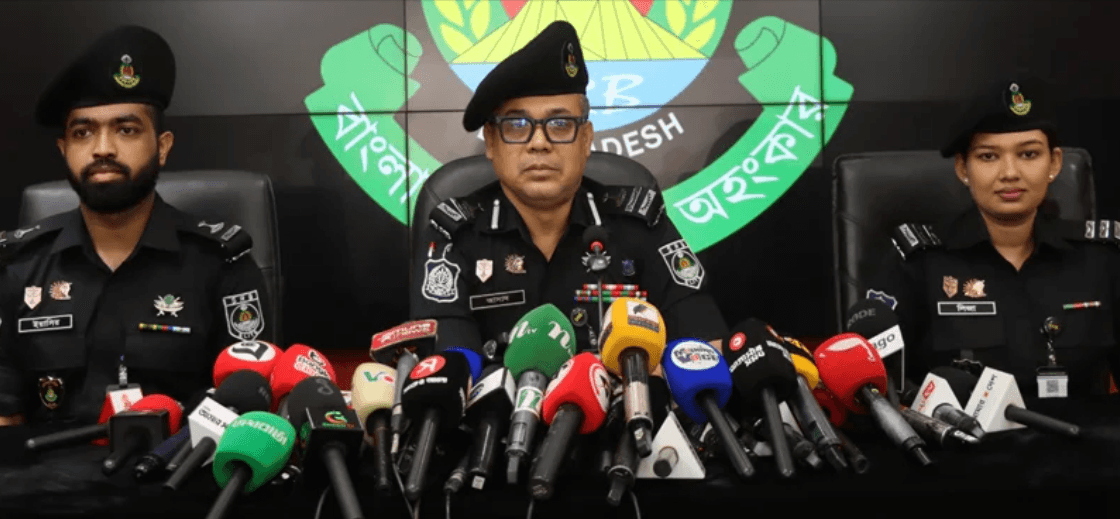
“They had no physical preparation, military training or tactical skills,” Mohammad Asaduzzaman, Additional DIG and commander of SRB-10, told a press conference in Dhaka yesterday.
Investigators suspect the men were used as bait to expose opposing positions when drone attacks were launched against them.
Rajan was critically wounded in a drone strike. Despite his injuries, he managed to drag himself for nearly four kilometres before reaching a camp. He was eventually treated and returned to Bangladesh on 23 August with assistance from the Bangladesh Embassy, authorities said.
First victims from poor families
For his family, the ordeal also brought a crushing financial burden. Like many impoverished Bangladeshis seeking work abroad, Rajan had borrowed heavily to finance his journey.
SRB officials said several victims came from poor families and acquired significant debts to pay recruiters. Some families have received news of their relatives’ deaths but have been unable to recover their bodies.
Police have arrested Mizanur Rahman, identified by investigators as a leading figure in the alleged trafficking network, and Abu Taher Lentu. Investigations into others allegedly involved are ongoing.
Rajan’s promised journey towards a better future instead left him returning to his village on crutches, alive but carrying the physical and financial scars of a war he says he never intended to fight.