Dhaka (AsiaNews) - Religious and ethnic minorities in Bangladesh are experiencing a serious crisis amid growing violence and insecurity, with 90 members of the community murdered or killed in mysterious circumstances in the first eleven months of the year.
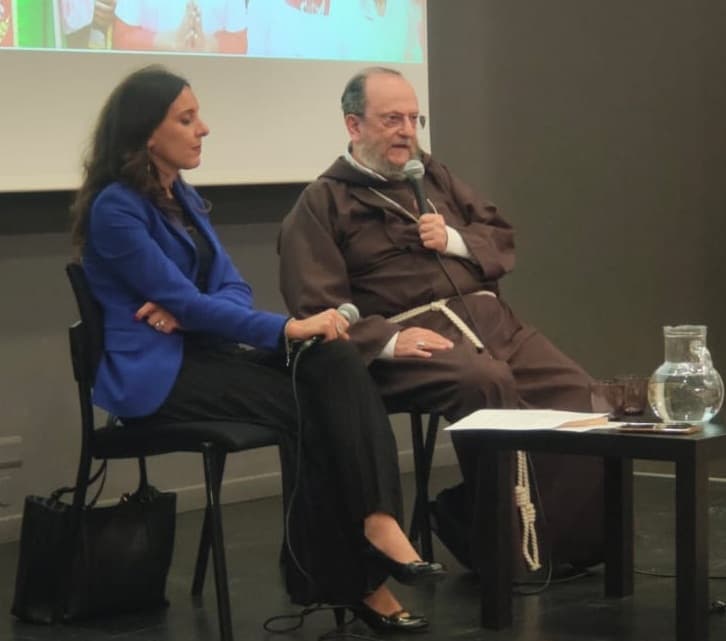
These alarming figures were presented at a round table entitled ‘Human rights of minorities: current reality and expectations’, organised by the Bangladesh Hindu Buddhist Christian Unity Council (Bhbcuc) in Dhaka on 27 December.
The meeting, chaired by the president of the interfaith organisation, Catholic Nirmol Rozario, revealed that in the period following the student uprising and the ousting of the government led by former Prime Minister Sheikh Hasina, there were 2,673 incidents of violence against minorities.
In a trend that analysts and activists describe as deeply worrying, at least 73 incidents of violence in 2025 were triggered by accusations of religious offence.
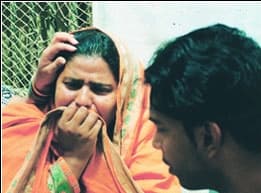
A brutal case in December highlights the gravity of the situation: Dipu Chandra Das, a 27-year-old Hindu textile worker and father from Mymensingh, was dragged by a crowd of 140-150 people, brutally beaten and killed.
The attack followed a false accusation that he had made derogatory comments during an event organised by the factory on World Arabic Language Day on 18 December.
Dr Debapriya Bhattacharya, a prominent economist and civic leader, issued a stern warning during the interfaith meeting, stating that the evident trend towards “religious division politics” threatens to weaken Bangladesh's sovereignty, social fabric, economy and international standing.
He also highlighted a dangerous ripple effect, noting that atrocities against minorities in India, such as the recent attacks on Christians during Christmas, encourage community groups within Bangladesh.
Manindra Kumar Nath, acting secretary general of the Bhbcuc, presented a harrowing list of crimes suffered by minorities, including murder, rape, arson of places of worship, land grabbing and forced displacement.
The religious leader then blamed the so-called ‘culture of impunity’ that seems to encourage perpetrators to carry out their criminal actions.
Expressing deep disappointment, Buddhist leader Bhikkhu Sunandapriya said that persecution has increased rather than decreased, even during the term of the interim government led by Nobel laureate Muhammad Yunus.
In this regard, he pointed to the ease with which accusations of religious offence can be used as a tool of persecution. At the end of the dialogue, Catholic Nirmol Rozario called on all political parties to include ‘specific and achievable promises’ in their election manifestos to guarantee the rights and safety of minority communities. He also urged the government to ‘ensure the protection of minorities’ during the upcoming national elections in February.
Meanwhile, over the weekend, the pro-student party born out of the protest movement that overthrew Prime Minister Sheikh Hasina formalised an electoral alliance with the Islamist Jamaat-e-Islami party ahead of the February parliamentary elections.
This decision has already sparked controversy and internal friction, fuelling divisions within the party over a decision that risks “distorting” its soul. Since last year's uprising that led to the overthrow of the government, the National Citizen Party (NCP) has established itself as a centrist and reformist alternative, opposed to nepotism and bipartisanship. With the election approaching, however, and in order to capitalise on support, it seems inclined to join forces with the extremist and radical fringe.