Bandarban (AsiaNews) – In Bandarban, a remote hill district in southeastern Bangladesh, a measles outbreak has rekindled concerns over access to medical care.
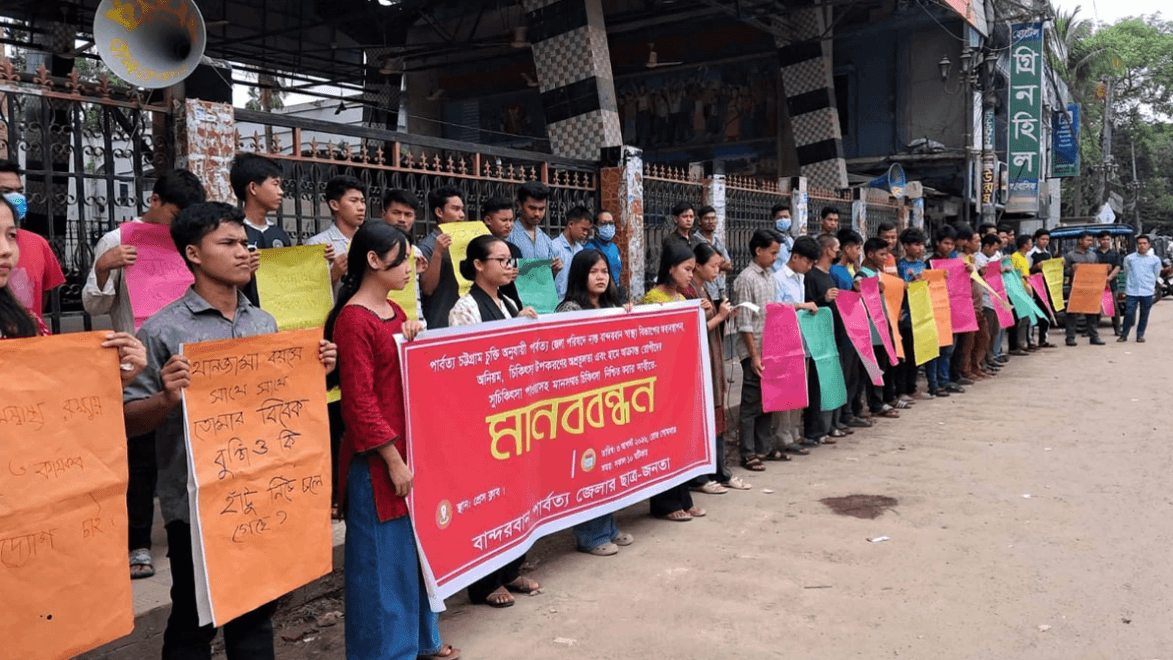
Earlier this week, indigenous students, residents, and members of the Catholic community formed a human chain to demand urgent healthcare reforms.
Gathering in front of the Bandarban Press Club, protesters demanded action on chronic mismanagement linked to corruption, staffing shortages, and inadequate health services overseen by the Bandarban Hill District Council, under the 1997 Chittagong Hill Tracts (CHT) Agreement.
For many families living in the rugged hills of southeastern Bangladesh, the protests reflect the pain of losing children and other loved ones simply because reaching a hospital can require hours of travel through remote terrain.
The demonstration was led by student leader Sayinang Khumi, and included representatives of several indigenous groups, like the Marma, Tripura, Tanchangya, and Kheyang communities.
Speakers at the flash mob emphasised that between March and July of this year, approximately 1,400 people in Bandarban were infected with measles. According to health officials, nine died in Ruma and 13 in Alikadam during that period.
For community leaders, many deaths could have been avoided if treatment had been available earlier.
"People are dying because health services do not reach them in time," several speakers said, pointing to the district's difficult geography and the lack of emergency medical support in remote areas.
Protesters highlighted recurring problems, including the shortage of antivenom serum for snakebite victims, insufficient emergency care for pregnant women, and the negligence of several health workers. With trust in public hospitals declining, many villagers continue to rely on traditional healers.
Bandarban is home to people from 14 indigenous ethnic communities, many of whom live in isolated mountain settlements.
Human rights activists have long argued that, despite the provisions of the CHT Agreement assigning oversight responsibilities to the Hill District Councils, healthcare and other essential services remain inadequate.
John Tripura, a local Catholic, was among those at Monday's demonstration, expressing concerns over local governance.
“Upazila[*] elections were not held in the three hill districts. If local elections took place, there would be greater accountability among those responsible for public services. Without accountability, corruption continues,” he told the rally.
"Children are dying from measles, and that is heartbreaking," he added. "If substantial funds are allocated, people have a right to know why quality healthcare is still beyond their reach."
Protesters presented six demands, including strengthening district hospitals, ensuring the regular presence of doctors and nurses, maintaining adequate supplies of medicines, vaccines, oxygen, ambulances, and antivenom serums.
They also called for greater supervision of private healthcare facilities, establishing MRI, intensive care, and coronary care services, and implementing greater transparency within the health administration.
Meanwhile, the country is facing a serious measles crisis. Health authorities have reported hundreds of deaths since the outbreak began this year. Bandarban is one of the hardest-hit districts.
By late July, more than 200 children had been admitted to Bandarban Sadar Hospital, underscoring the gravity of the situation.
Faith-based organisations have stepped in to support vulnerable families.
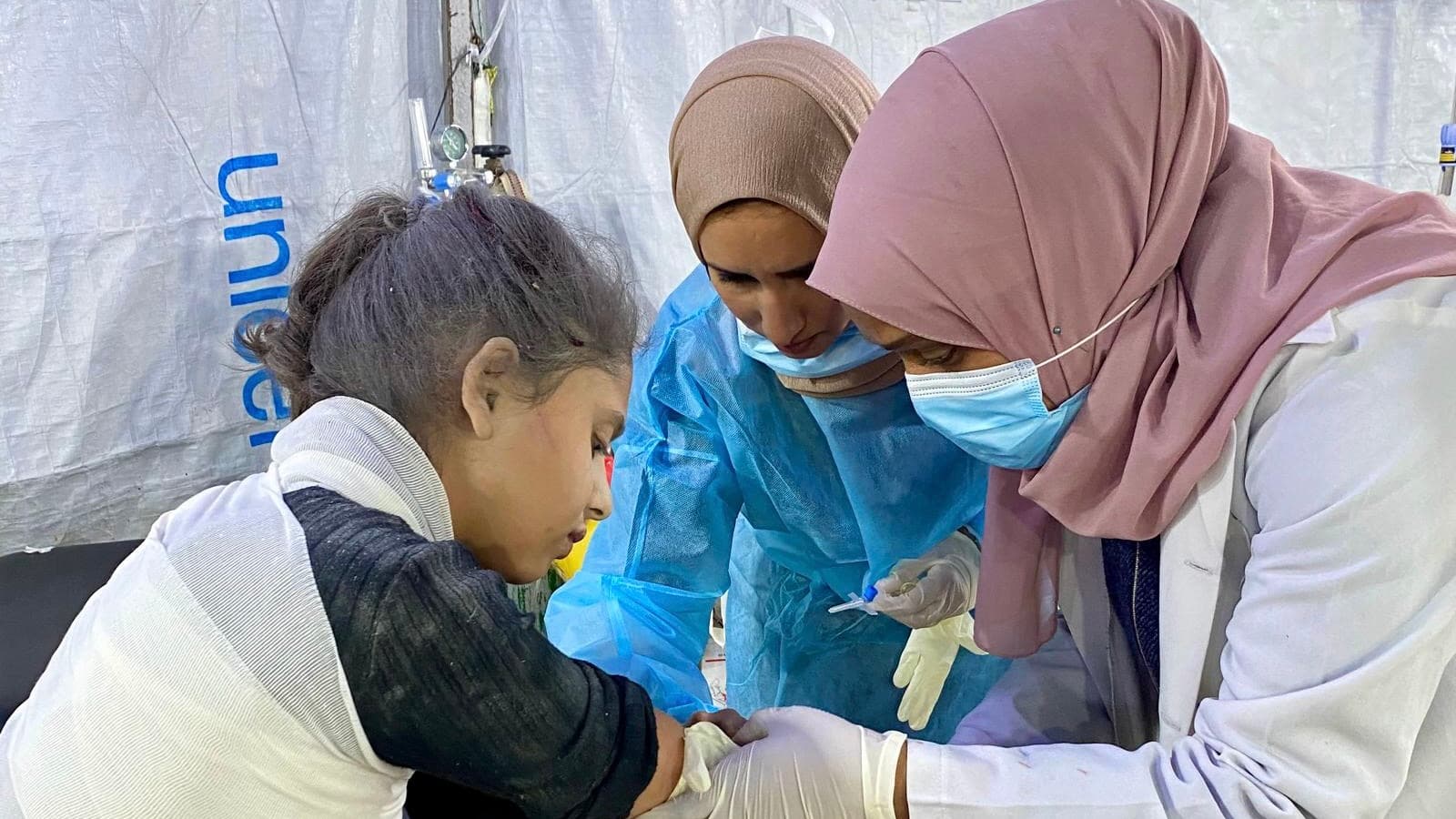
Caritas Bangladesh, through its Bandarban office in the Chattogram Region, has provided emergency medical care to 23 children suffering from measles. Each family received financial support to help cover the costs of emergency care.
In addition to financial assistance, Caritas staff conducted awareness campaigns in local communities, encouraging parents to seek prompt medical care, coordinating with public health facilities throughout the district.
For families facing long journeys to hospitals and the fear of losing a child, this assistance represented much more than just practical help. “It gave us hope," said relatives of some affected children, according to Caritas workers involved in the response.
[*] Upazila is an administrative division in Bangladesh.