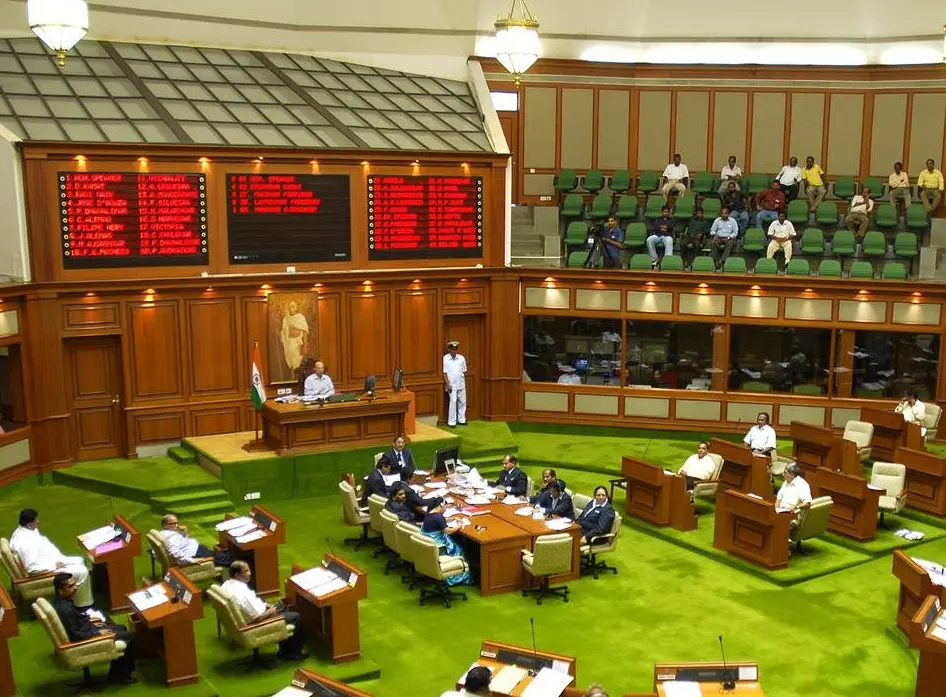
Goa (AsiaNews) – The Goa government has withdrawn the controversial bill, which aimed to criminalise certain religious conversions, from the local parliament’s agenda, following objections raised by some MPs from the ruling coalition and criticism from opposition parties.
The decision came a few days after the State Cabinet had approved the Goa Prohibition of Unlawful Conversion of Religion Bill, 2026, which, according to critics, could have had far-reaching implications for religious freedom and the exercise of religious ministry in the coastal state.
The Chief Minister, Pramod Sawant, was due to introduce the bill on the opening day of the monsoon session of the Goa Legislative Assembly. However, shortly before proceedings began, he met with Catholic legislators from the majority. Subsequently, the government decided not to introduce the bill, which was removed from the agenda.
The withdrawal represents a setback for a measure that the government had presented as an effort to prevent religious conversions obtained through force, coercion, undue influence, enticement, fraudulent means or marriage. Concerns had been raised that broadly worded restrictions on conversion could be used to interfere with the freedom to embrace, practise and share one’s faith.
Among its most severe provisions were penalties that could include life imprisonment and a minimum fine of 50,000 rupees for those convicted of conversion. It also provided for compensation of up to 500,000 rupees for those identified as victims.
The bill also addressed conversions allegedly associated with marriage. A marriage could be declared null and void if it was established that it had been contracted for the sole purpose of facilitating an unlawful religious conversion or that the conversion had been obtained through marriage. Religious ministers and others involved in facilitating an alleged unlawful conversion could also face criminal proceedings. The proposed legislation provided for imprisonment of between three and ten years for religious officials, including priests, karmakandis, maulvis and mullahs, in cases falling within its provisions.
The bill provided for enhanced penalties where alleged unlawful conversions involved vulnerable persons, including minors, women, people with disabilities or mental health conditions, and members of Scheduled Castes and Scheduled Tribes.
For Goa’s Catholic community, the controversy has raised issues that go beyond the criminalisation of coercive or fraudulent conversion, extending to the broader question of how conversion laws might affect ordinary religious activity. Catholic leaders and other religious minorities have long argued that freedom of religion encompasses not only the right to practise one’s faith in private, but also the freedom to practise and share one’s religious beliefs without undue interference from the state.
The Goa government’s decision to withdraw the bill from the current agenda therefore offers temporary relief to religious minorities concerned about the potential impact of the proposed legislation on freedom of conscience and religious practice. At the same time, however, the government has not stated that the proposal has been definitively abandoned. It remains possible that the legislation may be revised and resubmitted to the Assembly at a later date.