Imphal (AsiaNews) – Easter this year could have been another working day in Manipur, the northeastern Indian state torn for months by ethnic violence between ethnic Meitei and Kuki, this, even though Christians make up more than 40 per cent of the population.
Yesterday, the state had issued in fact an order that read: “The Governor of Manipur is pleased to declare 30th (Saturday) and 31st (Sunday) March 2024, as working days for all Government Offices including Public Sector Undertakings/Corporations/Autonomous Bodies/Societies under the State Government of Manipur for smooth functioning of Offices in the last few days of the Financial Year (2023-2024).”
No sooner had the order been made public that it was countermanded, following protests from local Christian communities.
In India, public offices are closed on Saturday and Sunday, so Easter has always been a public holiday. States with large Christian communities also treat Good Friday as a public holiday.
Last year, Indian Prime Minister Narendra Modi, in a show of goodwill towards Christians, visited Delhi cathedral on Easter Sunday as show of respect.
Yet, in Manipur this year, public servants were supposed to report to work on the day Christians celebrate the Resurrection of Jesus.
Such an unnecessarily provocative measure was arguably justified by the fact that this year, Easter Sunday falls on the last day of the fiscal year, 31 March. In a state that is ruled by the Hindu nationalist Bharatiya Janata Party (BJP), this seems particularly suspicious, to say the least.
In fact, since interethnic violence broke out between the mostly Hindu Meitei and overwhelmingly Christian Kuki, many in the state have played the confessional card over the past eleven months.
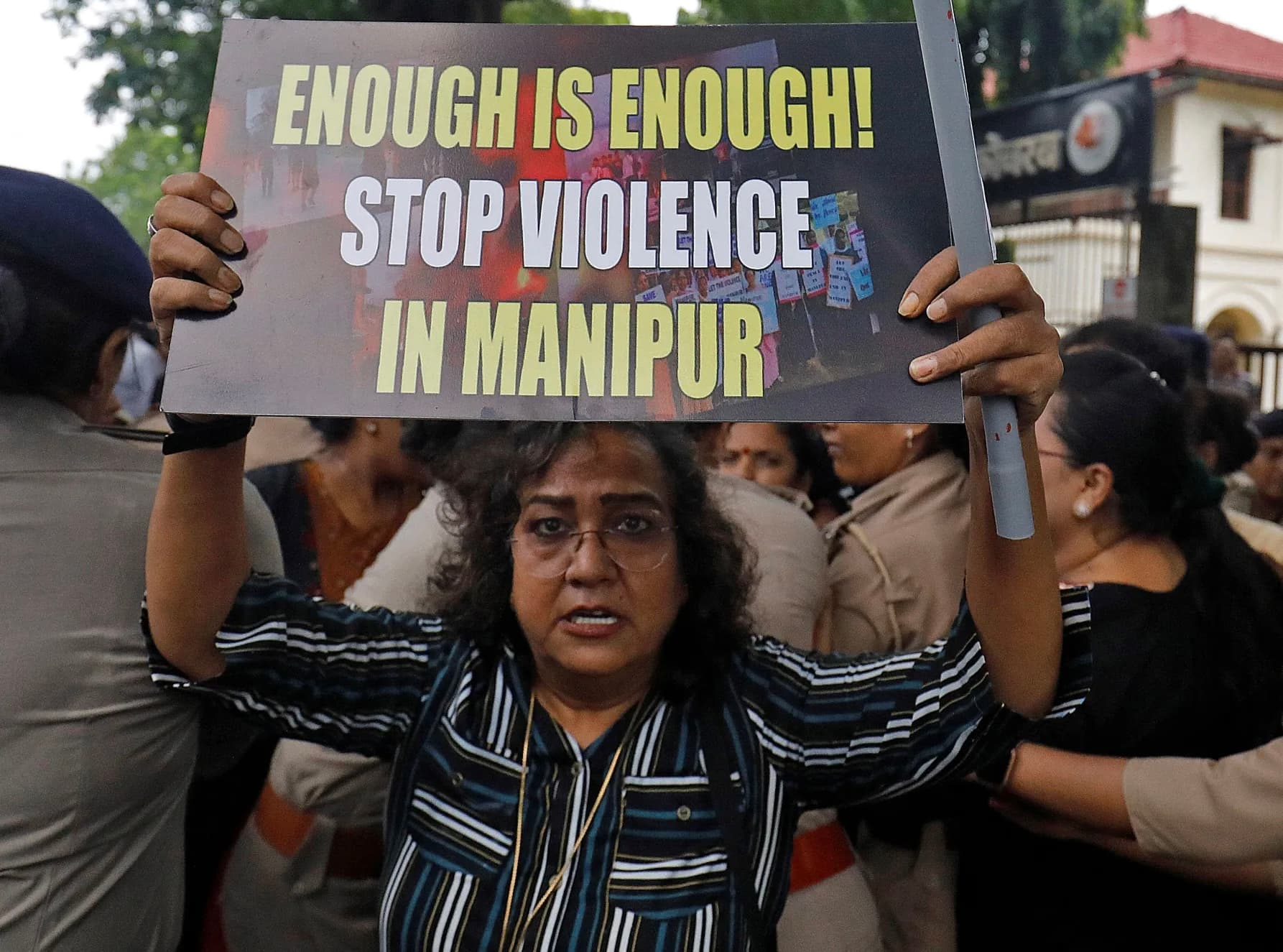
When violent clashes erupted in May, churches were among the first targets. Overall, the official death toll now stands at around 200.
Despite this, the Archdiocese of Imphal, in its courageous pursuit of reconciliation, has tried to avoid confrontation, reminding Christians that they have co-religionists among the Meitei.
Upon learning of the government's Easter decision, reaction in the population was largely one of bewilderment.
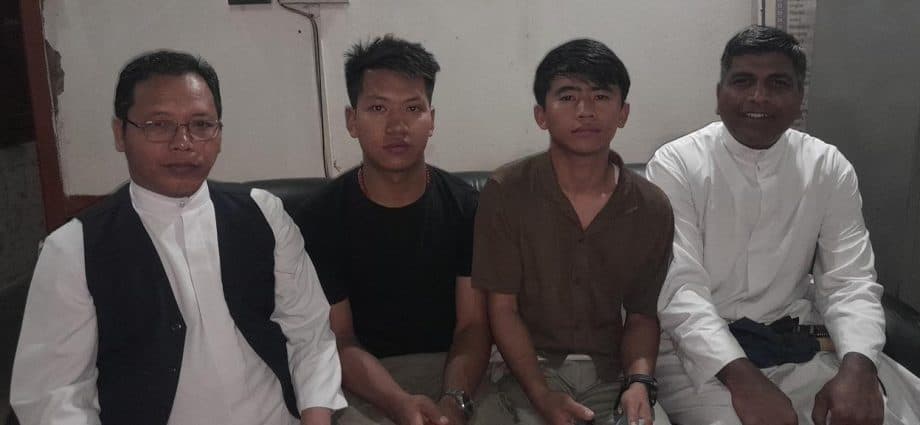
“With Christians from the Naga, Kuki-Zo and Meitei communities representing 41.29 per cent of the [state] population, Manipur chose to undermine their presence and disrespect their feelings by blatantly stating that it is ‘pleased to declare 30th (Holy Saturday) and 31st (Easter Sunday) March 2024, as working days,” said Fr Varghese Velickakam, vicar general of the Diocese of Imphal, speaking to AsiaNews.
The government ought to know that Easter is “the holiest of Christian festivals,” a day when “Christians celebrate the resurrection of Jesus Christ from the dead, which is the cornerstone of the Christian faith.”
Yet, “From a government that has allowed the conflict and the suffering of its people to continue for almost 11 months, what else can be expected? Let us pray that India and its citizens see what is happening in the New India,” Fr Velickakam noted.
In the evening, the government made its U-turn, declaring Saturday 30 and Sunday 31 March public holidays, reneging what it had announced just 24 hours earlier.
It is likely that the Union government in New Delhi gave state authorities their marching orders, and told them to avoid unnecessary tensions with Christians during the ongoing election campaign. Voting is set to start on 19 April.