Rawalpindi (AsiaNews) – Family courts across Rawalpindi district have witnessed a sharp rise in domestic litigation during the first half of 2026, with more than 8,100 family cases filed by women, highlighting increasing marital disputes and adding to the growing burden on the district's judicial system.
The mounting number of family disputes has placed considerable pressure on Rawalpindi's judicial infrastructure. Family courts located at the district level as well as tehsil headquarters continue to experience overcrowding, with large numbers of litigants, many accompanied by young children, appearing daily for hearings. Judicial data indicates that approximately 16,000 new family cases are currently awaiting adjudication across the district's family courts.
Boom of family disputes in Rawalpindi
According to official judicial figures, 43 family courts operating across Rawalpindi district received a total of 8,105 family petitions between 1 January and 30 June 2026. The cases included divorce, dissolution of marriage (khula), child maintenance, and personal maintenance, recovery of dowry articles, payment of dower (haq mehr), and child custody matters.
Court records show that during the six-month period, the family courts granted 1,114 decrees for divorce and khula, while 159 children were recovered and restored to their mothers through court orders. The figures indicate a continuing increase in family disputes reaching the courts as more women seek legal remedies to resolve marital conflicts.
The courts also issued interim child maintenance orders in 7,812 cases, directing husbands to provide immediate financial support for their children while the main proceedings remained pending. In addition, 102 husbands were ordered to return dowry articles and pay outstanding dower amounts to their wives after the courts found the claims justified.
Judicial officials said reconciliation efforts also continued in suitable cases. During the reporting period, 41 women who had left their matrimonial homes following domestic disputes were referred for reconciliation in an effort to preserve their marriages where possible.
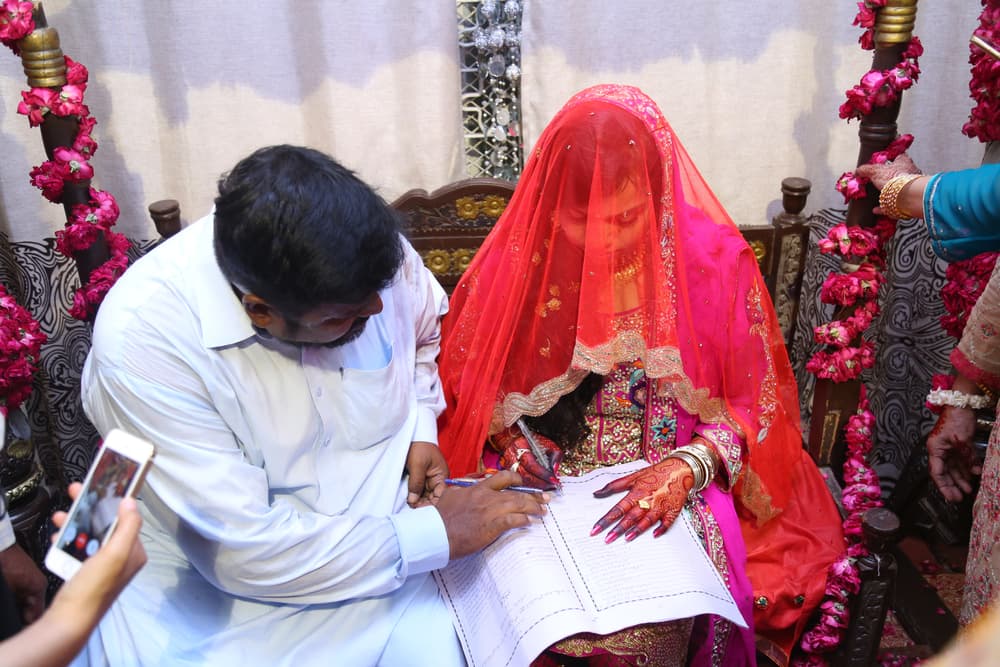
Judicial statistics further reveal that 211 women from areas falling under the jurisdiction of the district's 34 police stations left their homes to contract marriages of their own choice through the courts during the first half of 2026. Legal observers say such cases continue to reflect changing social attitudes as well as the growing role of courts in protecting individuals exercising their legal right to choose a spouse.
The caseload also reflects changing legal and social trends among minority communities. Following reforms that simplified the legal procedure for Christian divorce, an increasing number of Christian women have approached family courts to seek dissolution of marriage. Official data shows that 81 Christian women filed divorce petitions during the first six months of the year under the revised legal framework.
Impact of social media
Advocate Jennifer Johnson of Sindh High Court who is practising before family courts say social media has emerged as a recurring source of marital disputes. According to family law practitioners, disagreements over the use of Facebook, TikTok, Instagram, Messenger and other online communication platforms are increasingly being cited in divorce and khula petitions.
One such petition, Advocate Johnson said, was filed by a woman identified as Nusrat Ghayoor, who sought a decree of khula after alleging that despite fulfilling her household responsibilities and marital obligations, her husband repeatedly prevented her from watching TikTok and creating videos on the platform. She maintained that the resulting conflicts had made continuation of the marriage impossible.
A concerned Church
Commenting on the increasing number of marital separations, Rev Father Shakeel Gulzar, director of the Catholic Commission for Inter-religious Dialogue and Ecumenism, described the trend as a matter of serious concern. Referring to the teachings of Pope Francis, he said society needs to rediscover the value of the family and cultivate virtues that strengthen love, patience and mutual understanding in married life.
He observed that intolerance, lack of communication and declining spiritual life have become significant challenges for many families. He encouraged couples to spend more quality time together, pray together regularly, and share at least one meal each day to strengthen family bonds. He also pointed to financial pressures, communication difficulties and the challenge of maintaining a healthy work-life balance as major factors affecting family stability.
Father Gulzar further urged churches and community institutions to raise greater awareness about family challenges and provide guidance to couples on resolving conflicts through dialogue, counselling and mutual respect before disputes reach the courts.
The latest judicial figures suggest that while increasing legal awareness has enabled more women to seek protection of their rights through the courts, the rising number of family disputes also underscores the need for stronger counselling services, mediation mechanisms and community support systems aimed at preserving healthy family relationships wherever reconciliation remains possible.