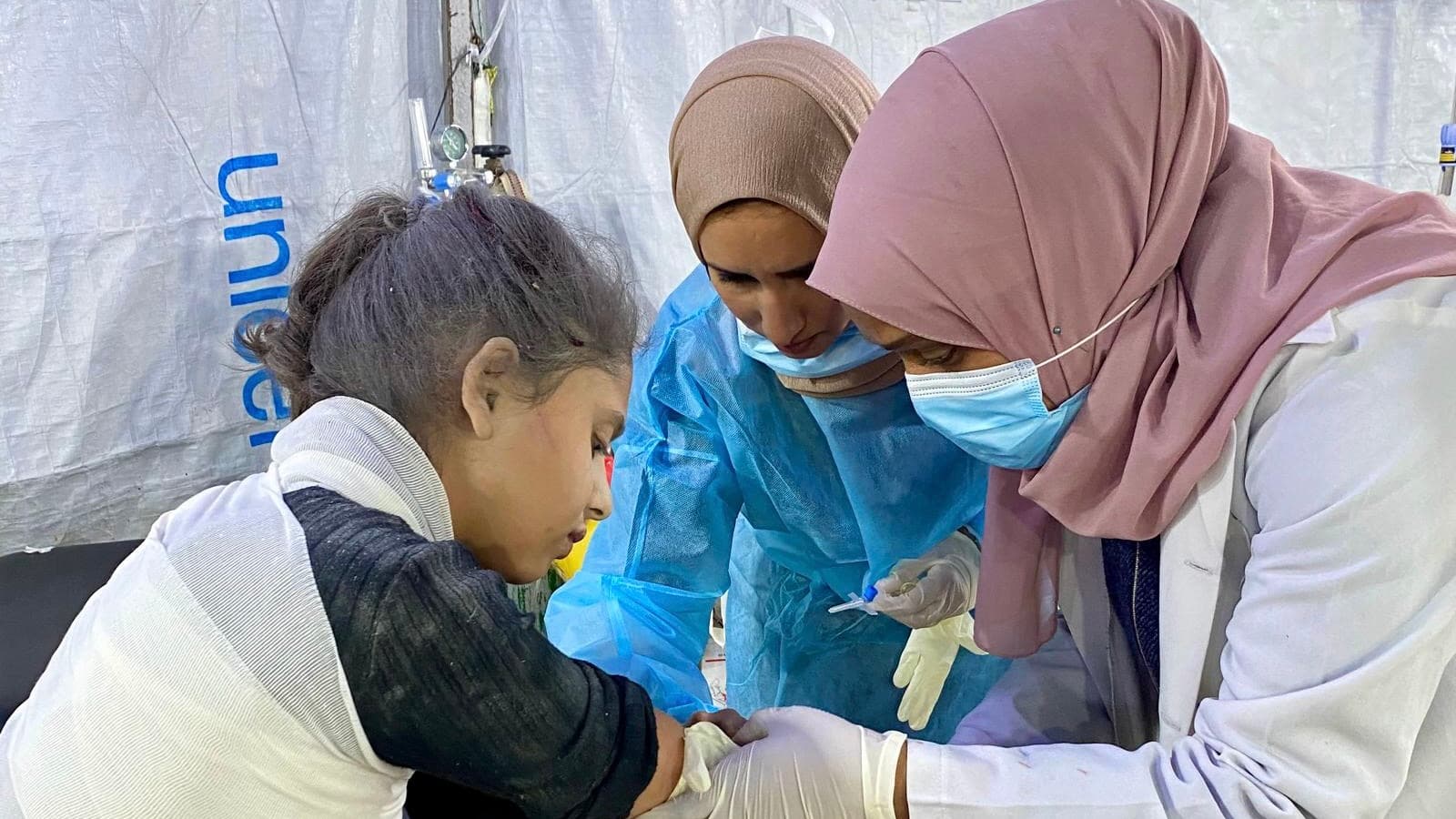
Colombo (AsiaNews) - Alarm is growing in Sri Lanka over several cases of patient deaths, including a woman pregnant with twins, that have occurred in Sri Lankan hospitals, which may be linked to an uncertified anesthetic drug purchased on the black market from the Ministry of Health.
There are also many people who underwent routine surgeries-such as cataracts-at hospitals in Nuwara Eliya (in the country's central province), Anuradhapura, and Polonnaruwa (in the north-central area) and lost their eyesight because of the corrupted drug. They are now awaiting compensation from the authorities.
Many experts and health system workers themselves consider this affair one of the biggest failures of the National Medicines Regulatory Authority (NMRA). White coats who found themselves operating with these products are of the opinion that they were purchased by the Ministry of Health on the black market from an Indian company.
Among them are surgeons Gayantha Meddegoda, Nilupuli Waidyaratna, and Dinesh Herath, who told AsiaNews that they had checked the labels of the pharmaceuticals: "Most of those imported in recent months were from some companies on the blacklist of unreliable and uncertified products. We reported this to senior officials in the Ministry of Health and NMRA, but instead of ensuring patient safety, they turned a blind eye to this problem."
Sriyalatha Manampaeri (62) and Karunawathie Nissanka (49) from Teripehe and Hunnasgiriya in Central Province are some of the family members of the victims of these substandard drugs who have protested "this negligence of the health authorities."
Similarly, the parents of Gunapala Rathnasiri (42), Miyuru Pathiraja (38) and Yasawathie Sedara (44) from Anuradhapura, who became blind overnight when they simply had to undergo cataract surgery in the hospital.
Coming from families in economic poverty, this situation makes it impossible to care for their relatives and go to work. "So now we will have to decide who will stay at home sacrificing their jobs to take care of our parents who have been disabled by the health service," they explain.
In Colombo at a press conference, Health Minister Keheliya Rambukwella dismissed the allegations, saying that "even when you buy 100,000 U.S. FDA-approved drugs, some may turn out to be defective."
Similarly, when questioned in Parliament on the issue of the anesthetic drug imported from India linked to deaths and visual impairment, he simply recalled that "initial investigations revealed that the controversial drug was used on only five patients, the others are to be ascertained."
Meanwhile, Mihiri Tillakaratne, a lawyer who is providing free legal assistance to relatives of the victims, is of the opinion that "people who trivialize the sanctity of human life and dismiss with contempt accidental or negligent hospital deaths are not worthy of being responsible for the nation's health."