Vatican City (AsiaNews) – In the coming days, government representatives from around the world will gather in Antalya, Turkey, for COP31, the annual UN climate conference.
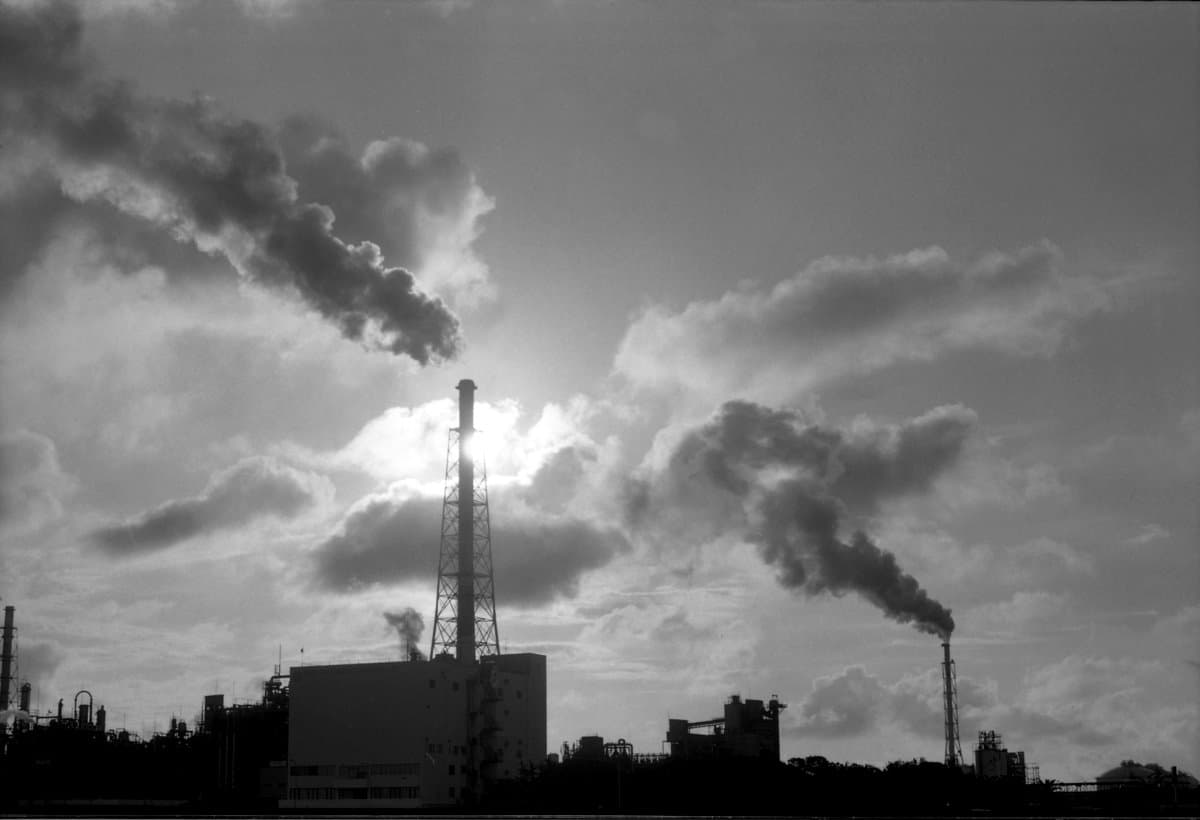
As has been the case for years, this will be an occasion unfortunately to see how the problems caused by climate change are escalating faster than the political responses to them.
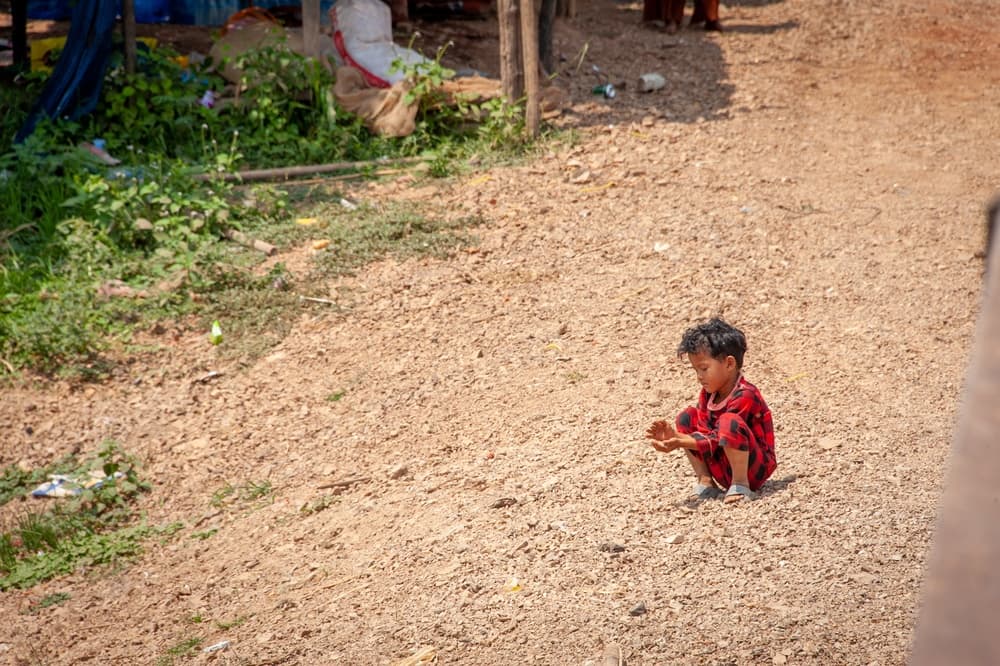
This imbalance hits the poor particularly hard, and it also challenges religious communities, which are now called upon to serve as a sign of the conversion required, including in terms of the impact their behaviour has on the environment.
An interesting example of this comes from a local Church in Asia.
Mgr Allwyn D’Silva, auxiliary bishop emeritus of Mumbai, shared his experience at the Vatican during a recent press conference for the fifth anniversary of the Laudato Si' Action Platform, an initiative that brings together Catholic entities worldwide, inspired by the call issued by Pope Francis in his encyclical dedicated to the protection of our "common home”.
“Care for creation is part of our pastoral responsibility," said the prelate. In Mumbai, ecological awareness has evolved from individual Lenten practices into concrete initiatives at the parish and diocesan levels.
Bishop D’Silva noted that the archdiocese had introduced a carbon fast during Lent, inviting Catholics to examine their daily habits, such as electricity consumption, water usage, and the disposal of plastic.
The initiative sought to link the traditional Lenten practice of fasting with responsibility towards the environment.
“These may seem like small things. But they remind us that faith can change even the habits we barely notice,” he noted.
The bishop underscored the particular urgency for environmental action in Mumbai, a coastal city increasingly exposed to environmental challenges.
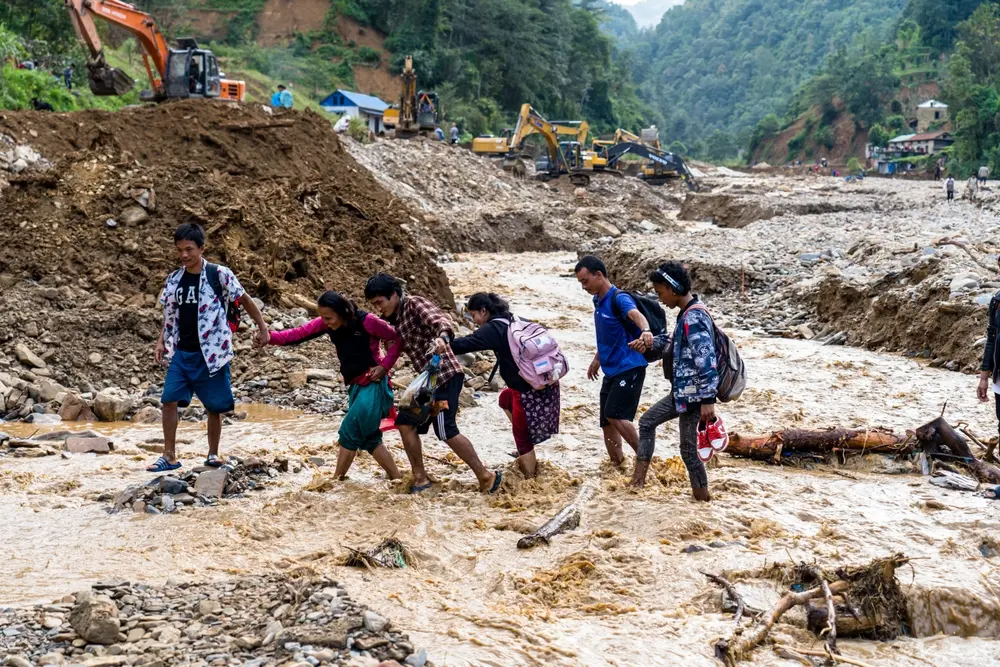
“Severe rains flood roads and disrupt daily life. The loss of mangroves leaves coastal communities more exposed to storms. And rising temperatures make life increasingly difficult for those who work outdoors or live in poorly protected homes,” he said.
Reflecting on his years of pastoral ministry in the most vulnerable neighbourhoods, he explained that many families cannot simply stay indoors when temperatures reach dangerous levels, nor can they relocate when their homes are under threat.
Environmental degradation, he emphasised, affects people’s daily commutes to work, the safety of their homes, and the health of their children.
Bishop D’Silva cited the experience of two parishes in the Mumbai area, where ecological responsibility has been translated into concrete action.
At St John the Baptist Church in Thane, where he served as parish priest, the community introduced rainwater harvesting systems, solar energy, and changes to how parish resources are used.
At the Holy Family parish in Chakala, the faithful implemented rainwater harvesting, phased out single-use plastics, promoted solar energy production, and encouraged biodiversity.
The Archdiocesan Commission for Ecology has also brought people together for training, cooperation, and the sharing of experiences.
Last year, more than 100 people met in Mumbai to discuss a common ecological plan for the 125 parishes of the archdiocese.
One of the proposals put forward was the suggestion that parishes that have already established sound environmental practices should share their experiences with neighbouring communities.
The bishop underscored the importance of continuity in such initiatives.
“Parish priests change. Volunteers move on. New responsibilities arise. If ecological work depends entirely on one committed person, it may disappear when that person leaves,” he warned.
For Bishop D’Silva, the Laudato Si’ Action Platform provides a framework for transforming ecological commitments into sustainable institutional practices.
Mumbai’s ecological journey, he noted, began before the Platform was created; however, the latter offers communities a concrete tool to reflect on their responsibilities, develop programmes, monitor progress, and uphold the commitments they make over time.
Addressing his fellow bishops, he urged them to give environmental issues a permanent place in diocesan pastoral planning, support parish-level initiatives, and make room for the expertise of the laity, while encouraging communities to learn from one another.
In concluding his address, Bishop D’Silva returned to the Lenten practice that had inspired the carbon fast in Mumbai, highlighting the distinction between temporary personal sacrifice and the long-term responsibility of ecclesial institutions.
“A carbon fast lasts forty days. But the decisions our institutions make can shape people's lives for decades,” he said.
ECCLESIA IN ASIA IS THE ASIANEWS NEWSLETTER DEDICATED TO CHRISTIAN COMMUNITIES IN ASIA. WOULD YOU LIKE TO RECEIVE IT EVERY SUNDAY? TO SUBSCRIBE, CLICK HERE.