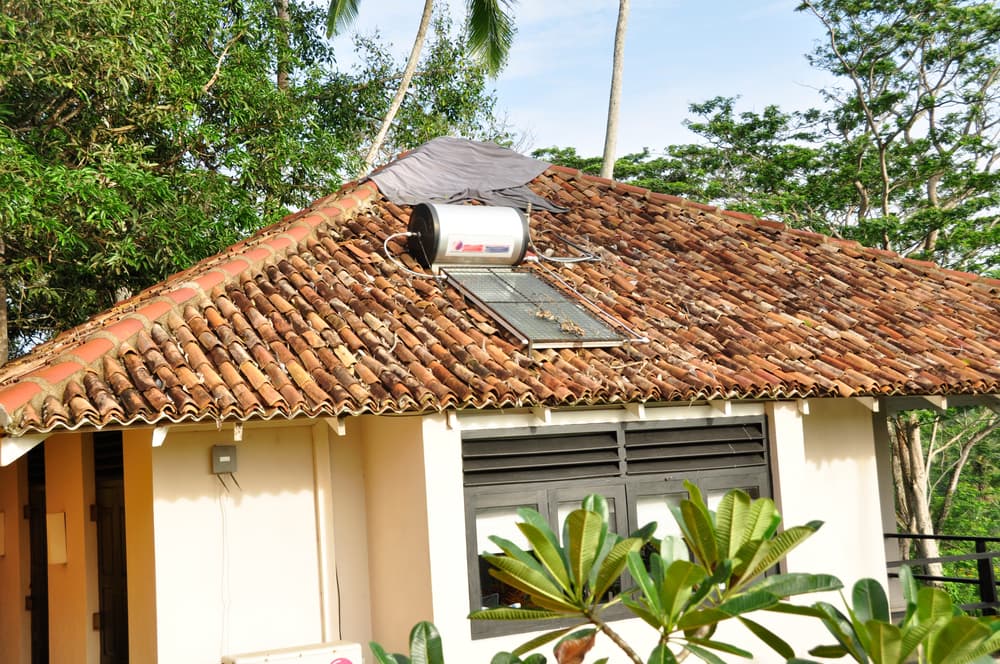
Colombo (AsiaNews) – Although Sri Lanka has set itself the target of increasing the share of renewable energy to 70 per cent by 2030, the authorities are taking measures that discourage the production of solar energy on rooftops. Following a decision by the Ministry of Energy, from 11 September 2026, feed-in tariffs for surplus energy generated by new solar installations connected to the national grid are no longer being offered.
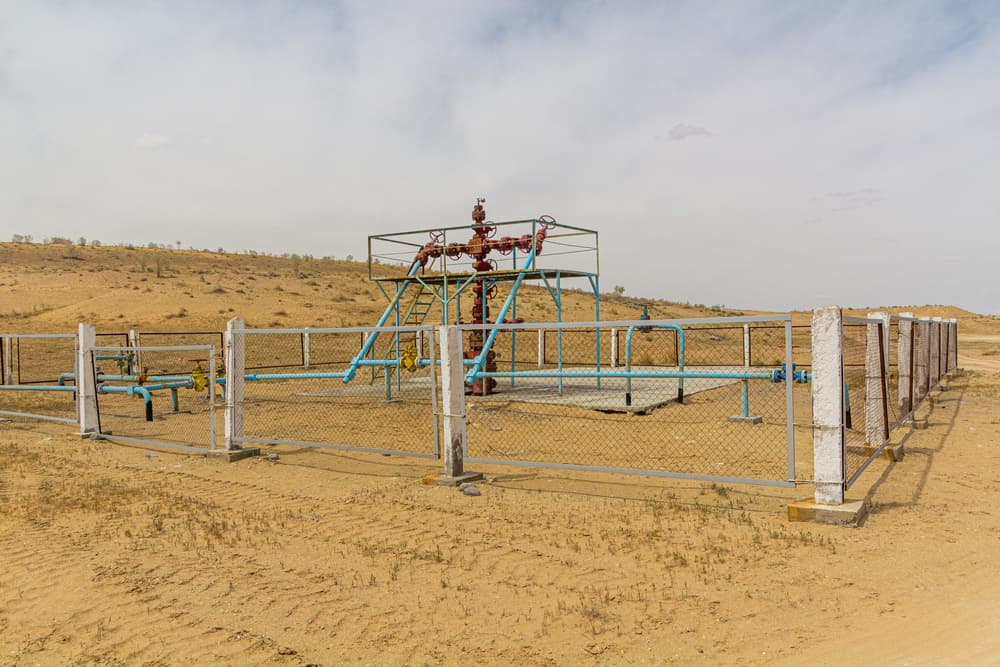
This policy change poses a challenge for rooftop solar. This is despite Sri Lanka’s new floating solar plant taking the green transition onto the water with the 5 MW Diyajanani power station, built on the Ibbankatuwa reservoir in Dambulla and connected to the national grid on 18 September.
A setback for small consumers
The Ministry of Energy has officially scrapped the traditional ‘net metering’ and ‘net accounting’ schemes for all new rooftop solar installations, sparking widespread economic concerns. The move represents a major setback for small and medium-sized consumers who have invested in solar infrastructure as a safeguard against the volatility of electricity prices, turning self-financed green assets into unexpected financial liabilities. The practical implications of this regulatory change place a heavy financial burden on ordinary consumers and small businesses.
Energy experts Viraj Ratnayaka and Sampath Alwis explain to AsiaNews that “under the net metering system, the amount of electricity generated by a household during the day is deducted from the amount consumed at night”. This scheme has been suspended for new connections on the grounds that it causes losses to the Ceylon Electricity Board (CEB), the main state-owned monopoly for the generation and distribution of electricity. “Meanwhile, the net metering system is used primarily to reduce domestic consumption, whilst surplus electricity is sold to the CEB in exchange for payment. The Net Plus programme, on the other hand, provides payment for the amount of electricity generated using solar panels installed at the home,” they add.
Necessary measures and investments without benefits
According to electrical engineer Ashoka Abeygunawardana, an expert in the renewable energy sector and energy planning, “if a system of around 5 kW were installed in every home, it would be possible to generate a capacity of around 25,000 MW. Consequently, over 35,000 gigawatt-hours of electricity could be produced annually. This is three times the current output.
However, the necessary mechanism and the required storage system have not yet been finalised”.
According to former CEB engineer Namal Subasinghe, “to enable sustainable electricity consumption of at least six units per day, the authorities should, in addition to the Net Plus programme, allow a limited number of units – around 180 per month – to be supplied via net metering or net accounting”. In fact, under the current system, if consumption is 5 kW, the amount that can be generated is also limited to that same capacity. “For single-phase connections, 30 amps are permitted up to 5 or 10 kW. Those with three-phase connections can go up to 20 kW. However, if the power output is greater than 10 kW and less than 40 kW, the payment is 19.50 rupees per unit.”
The owners of rooftop solar systems, Kamal Haputhanthri, Suren Sinnathamby and Rameesha Mohammed, believe that “people have been encouraged to install solar systems with the promise of being able to ‘zero out their electricity bill’”. Installing a solar system costs around 1 million rupees (approximately 2,600 euros, ed.). If a 5 kW system generates around 12,000 rupees a month (approximately 32 euros, ed.), the annual income would be around 140,000 rupees (approximately 373 euros, ed.). It would take around 10 years to recoup the investment. For around 15 years, the initial investment would yield almost no return. Therefore, the government should provide interest-free loans.”