Phnom Penh (AsiaNews) – According to Cambodian beliefs, failing to hold funeral rites risks leaving the soul of the deceased in a state of unrest. However, the cost of funerals is a burden that weighs most heavily on the shoulders of low-income Cambodians or those without a regular income.
A basic funeral ceremony at a Buddhist temple, including cremation, costs the equivalent of 700–1,000 dollars, and much more if accompanied by a reception with food and gifts for attendees – all against a background of an average monthly per capita income of 290 dollars, which for many is, in any case, a pipe dream. In the capital, Phnom Penh, where the average per capita income is $355 a month, the cost can rise significantly, starting at the equivalent of $3,000.
To stem growing discontent and, above all, to ensure a dignified funeral for the deceased and their families, the capital’s city council has announced that destitute residents – including the homeless and families unable to afford funeral costs – will receive free cremation services and urns.
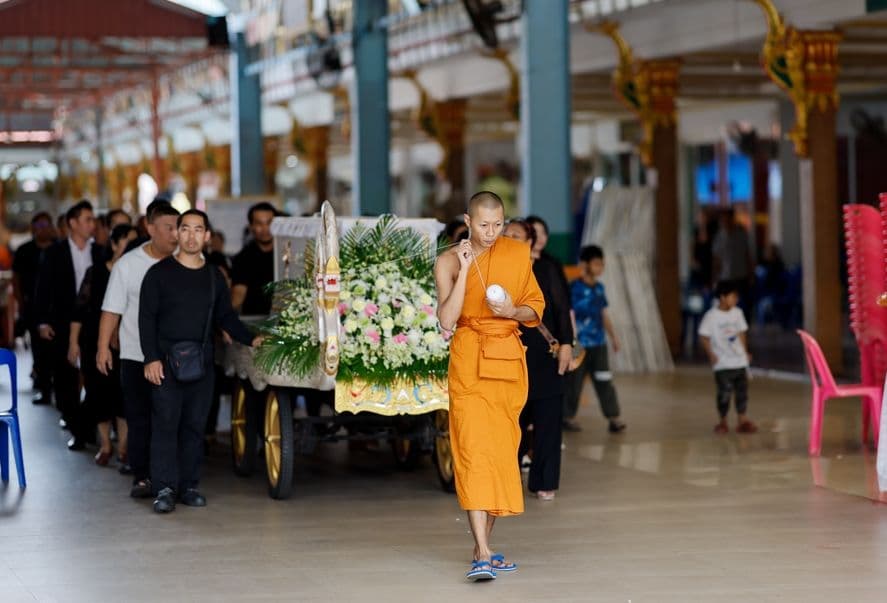
Traditionally, families prepare the body at home; subsequently, monks lead the prayers and the remains are transported to the temple’s crematorium. For those unable to meet the costs, the risk of being denied the proper rites – considered essential for guiding the soul towards rebirth – causes profound distress.
Dao Samphors, deputy administrative director and spokesperson for the capital’s administration, confirmed that the city would provide support to vulnerable families during times of bereavement, whilst reaffirming the city’s commitment to compassion and community solidarity. This came following a debate sparked by the circulation on social media of cremation price lists from various Buddhist temples.
Although the abbots of the temples subsequently explained the reasons behind the charges, the controversy highlighted concerns regarding access to funeral rites for the poorest sections of the population and risked undermining the credibility of city officials, who are undoubtedly aware of how deeply this issue resonates with the public.
Residents in need who have suffered a bereavement are invited to contact their local municipal or district authorities, or to call a dedicated helpline. The initiative, which recognises the vital importance of funeral rites from both a spiritual and social perspective, paves the way, according to the authorities, for a broader commitment aimed at ensuring dignity for all citizens, regardless of income.