Jakarta (AsiaNews) – Out the 7.2 million unemployed people in Indonesia, about a million are university graduates, Statistics Indonesia, the country’s statistics agency, recently reported, putting the spotlight on a problem already observable in other Asian countries, particularly India.
While the economy is growing and creating jobs, the number of skilled, well-paid positions is dwindling.
According to the World Bank, the underemployment rate, the share of people working fewer hours than they would like, has been rising since 2022, reaching 32.7 per cent today.
Most hiring is concentrated in low-productivity sectors such as agriculture, food service, and hospitality, whereas jobs in high-skill sectors have stagnated or contracted.
The Ministry of Manpower reported 32,389 layoffs in the first half of the year. West Java province alone accounted for 6,727 of these, nearly 21 per cent of the total.
The share of workers earning middle-class incomes has also declined, from 14.5 per cent in 2018 to 7.1 per cent in 2025.
As a result, the World Bank notes that the jobs currently being created lack the productivity and pay levels necessary to support social mobility and the expansion of the middle class.
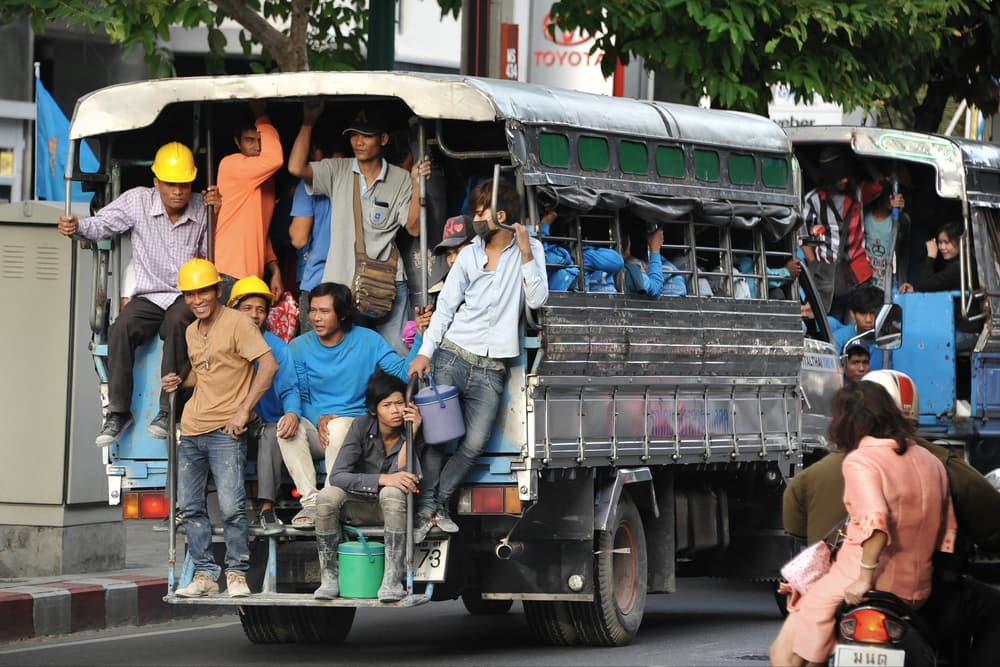
Added to this is the high number of workers employed in the informal sector. According to Statistics Indonesia, 87.74 million people were employed as of February 2026 in the informal sector, compared to 59.93 million in the formal sector.
Partly to address these domestic economic challenges, the Ministry of Indonesian Migrant Workers Protection has signed a series of agreements with countries in Europe and Asia to send workers abroad.
The goal is to seek new employment opportunities, even as economic slowdowns caused by conflicts impact various regions.
“For 2026, we are selecting countries with favorable geopolitical conditions. Our targets include Taiwan, Hong Kong, South Korea, Japan, and Malaysia, as well as Turkey and Europe,” Mukhtarudin told parliament recently.
The government has set a target of sending 350,000 Indonesians workers abroad by the end of the year. As of September, 260,000 placements had been recorded, with 90,000 left for the coming months.
The flow of people heading abroad includes many university graduates. Bob Azam, head of employment affairs at the Indonesian Employers’ Association (APINDO), told Nikkei Asia that one reason for high unemployment among graduates is the nature of the investments that have entered the country in recent years.
A significant portion of capital has been concentrated in capital-intensive activities, such as mining rather than technology sectors capable of absorbing a larger number of skilled workers.
Added to this is the uncertainty surrounding the economic policies proposed by President Prabowo Subianto.
Among business concerns, Azam cited an APINDO survey showing that 45 per cent of the companies interviewed do not plan to expand over the next five years, 61 per cent have ruled out new investments, while 43 per cent cited regulatory uncertainty and the rise in the mandatory minimum wage, deemed too high given current productivity levels.
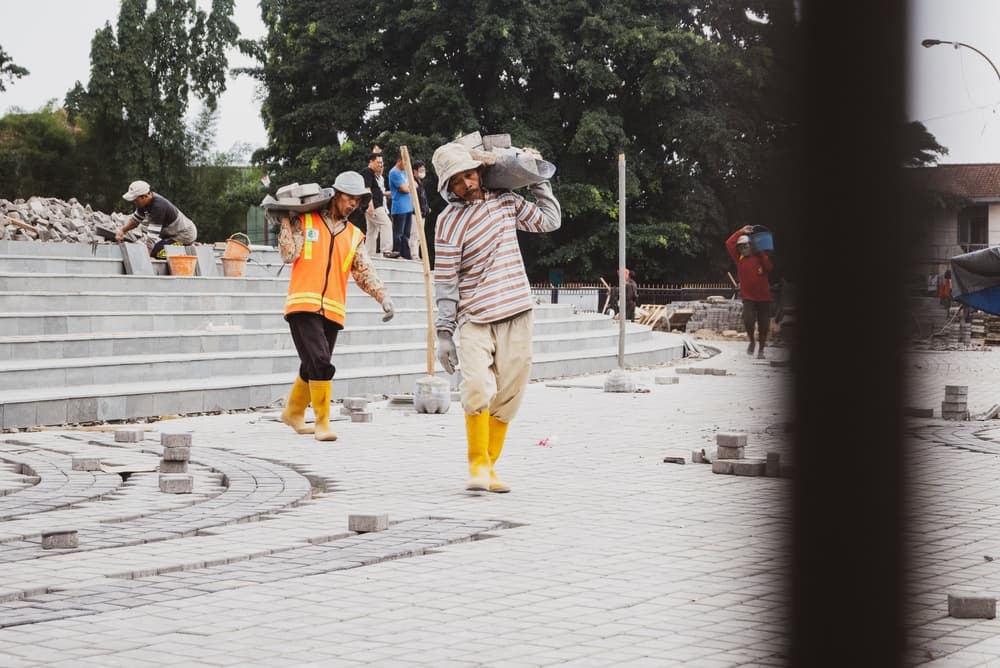
So far, Prabowo has sought to boost employment through major public works projects, but these are temporary and often do not offer stable, long-term contracts.