Bangkok (AsiaNews) – The eighth United Nations Responsible Business and Human Rights Forum took place in Bangkok from 14 to 17 September.
Coordinated by seven UN agencies and attended by 220 partner organisations, it served as a crucial venue to reflect on the vitality and evolution of this issue in the Asia-Pacific region.
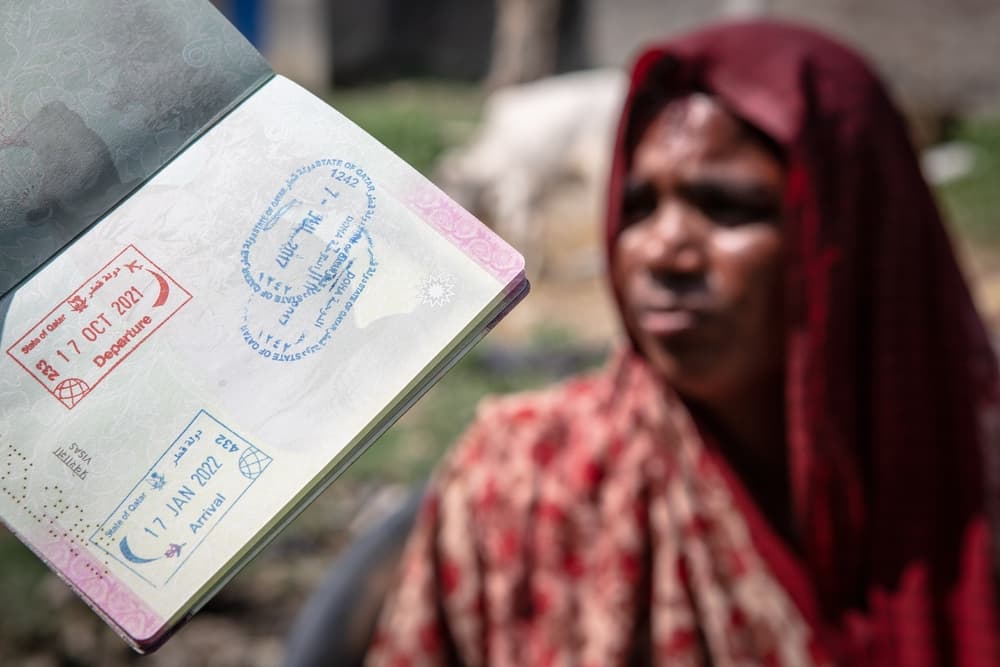
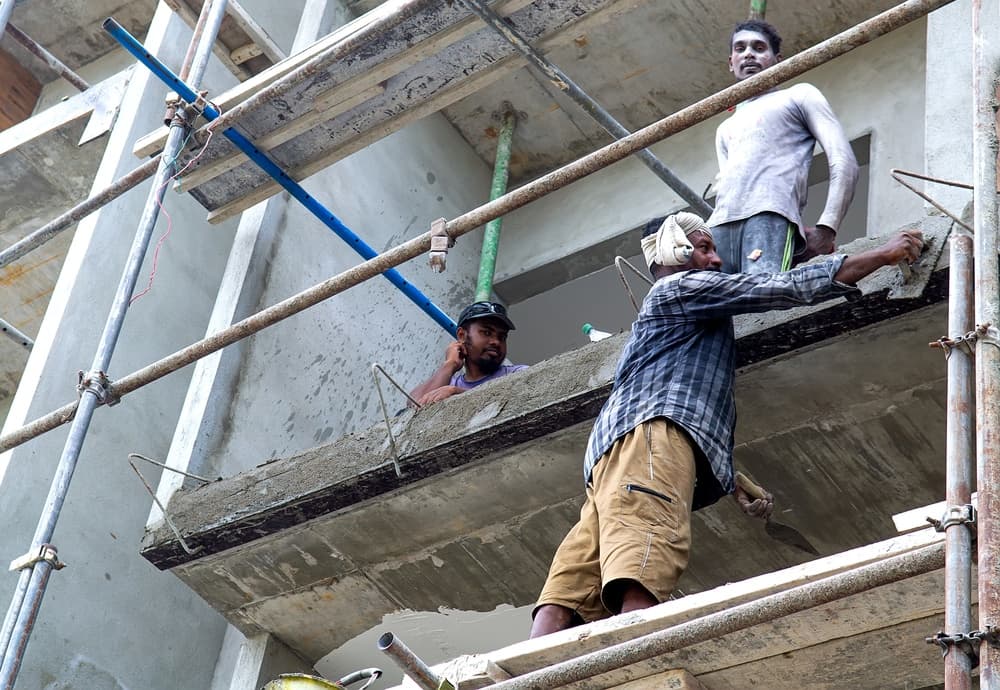
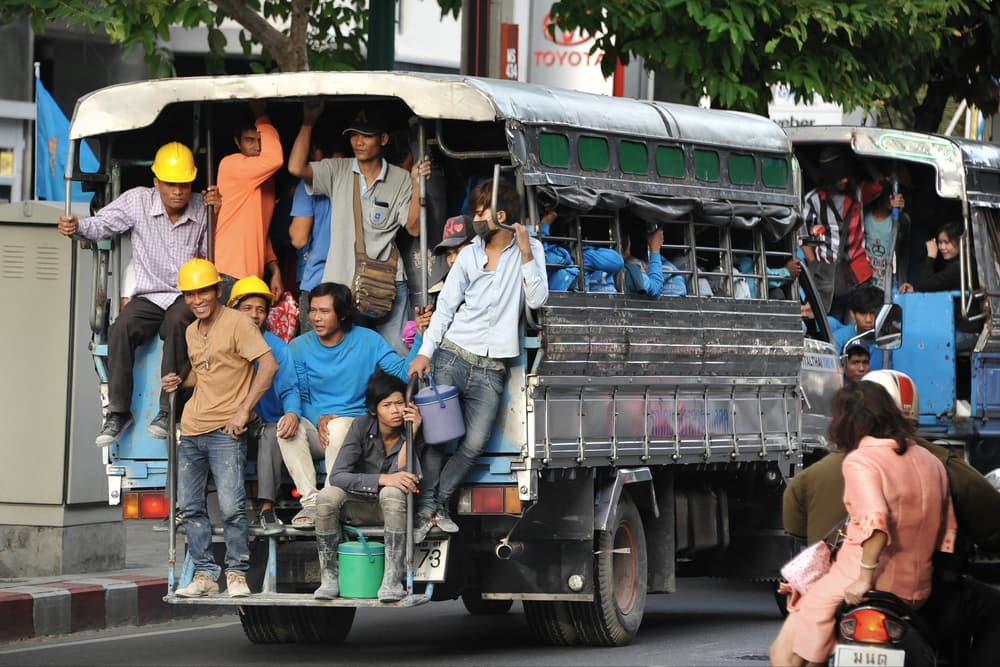
The latter hosts approximately 66.9 million migrants but is also the place of origin for 110.3 million people seeking their fortunes elsewhere. This represents just over a third of all worldwide migrants.
This year’s theme, Building Resilience, Advancing Rights, covered a wide range of issues, from how businesses respond to economic and geopolitical uncertainty to how supply chains adapt to climate change and technological shifts.
Above all, discussions centred on how governments and businesses can translate human rights obligations and commitments into sustainable practices, and on how affected workers and communities can make their voices heard and ensure their protection amid change.
The Asia-Pacific region certainly does not lack regulatory frameworks or formal commitments regarding business and human rights. The main challenge, however, remains translating them into tangible benefits for workers and communities. Indeed, migration now lies at the heart of this discussion.
It is no coincidence that the report Labour Migration, Business and Human Rights was presented at the UN General Assembly last year, pushing up migrant workers' rights on the agenda. Now, the challenge lies in bringing these conversations into recruitment systems, workplaces, and supply chains.
As for the International Organisation for Migration (IOM) and its Migration, Business and Human Rights in Asia Programme, this means “continuing to work with governments to strengthen and implement policies that protect migrant workers’ rights, with businesses to uphold their responsibility to respect human rights across recruitment and employment practices, and with migrant workers, their communities and civil society to ensure their experiences help shape solutions.”
For the IOM, migrant workers and their communities “have long demonstrated resilience of their own. Every year, millions make the decision to leave their homes and families in search of opportunities abroad, contributing to sustainable development in economies and communities in both countries of origin and destination.”
At the same time, “Along the way, they must navigate complex recruitment and documentation systems, unfamiliar workplaces, language gaps and labour markets, and challenges ranging from recruitment fees to barriers in accessing remedy.”
The process of worker adaptation, especially when properly supported, is permanent, yet several challenges remain. Key among them are constantly evolving regulatory and policy frameworks, corporate human rights policies that do not always adequately reflect the experiences of migrant workers, and obstacles to accessing robust protection mechanisms.
As the UN-related body further emphasises, initiatives are still too often designed for migrant workers rather than with them. In fact, “The resilience of migrant workers should be recognised and valued, but it cannot and should not substitute for fairer systems and protections around them.”