Manila (AsiaNews) – The transition to cleaner energy “must not come at the expense of indigenous communities, their ancestral lands and the environment”. This is the warning issued by the Catholic Bishops’ Conference of the Philippines (CBCP) in response to an issue of growing importance affecting a significant and indigenous segment of the native population. Bishop Moises Cuevas of Calapan, chairman of the Commission for Indigenous Peoples (CBCP-ECIP), and Bishop Prudencio Andaya Jr. of Cabanatuan emphasise that “the growing demand for critical minerals must not be used to justify forced displacement”. Furthermore, the statement continues, development policies must not cause “environmental destruction or violations of the rights of indigenous peoples”.
Bishops stand with indigenous peoples
“A greener future cannot be built on injustice,” the bishops declared in a joint statement on the occasion of the national celebration of Indigenous Peoples’ Sunday on 11 October. The prelates also called for a consensus that is “genuine, free, prior and informed”, as well as “environmental protection and meaningful participation by indigenous communities in decisions affecting their lands and livelihoods”.
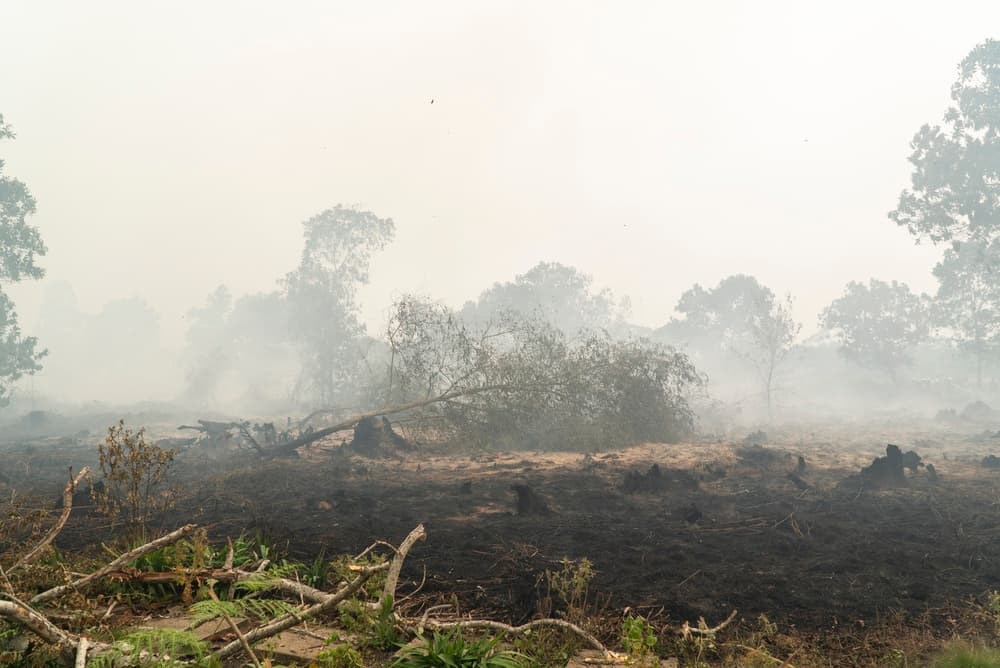
The bishops went on to highlight the threats posed by “extractive industries, large-scale infrastructure projects, the expansion of fossil fuels and climate change”, emphasising that indigenous communities often bear the brunt of environmental damage, floods and droughts. At the same time, they urged government bodies to “protect ancestral territories, enforce environmental safeguards and ensure accountability in development projects” .
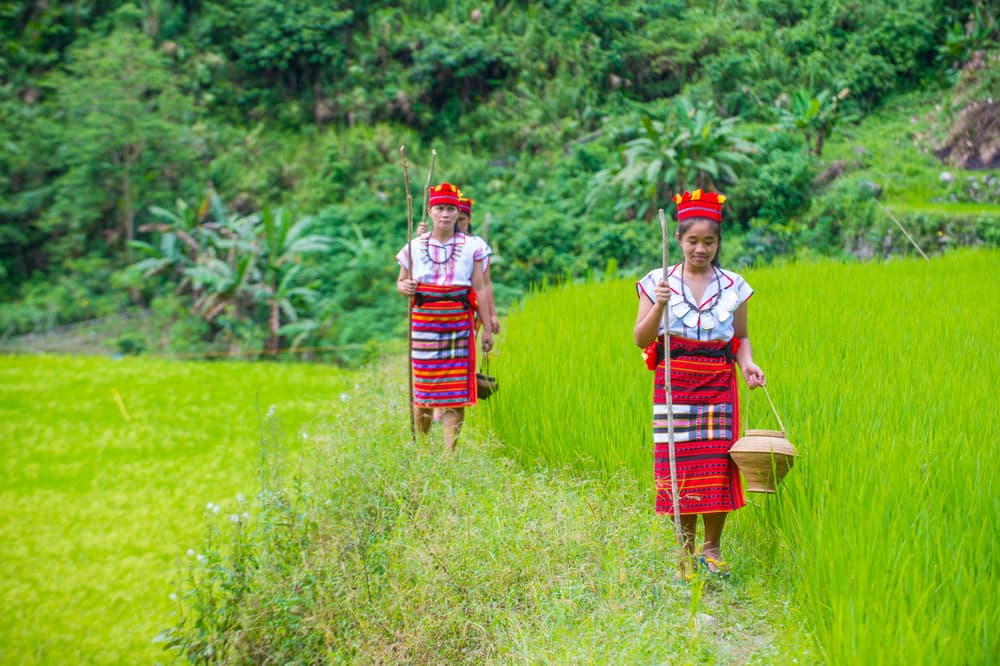
The statement then highlighted the Aeta community of Sitio Bacao, in Palayan City (Nueva Ecija), whose members were forced to abandon their homes following the 1991 eruption of Mount Pinatubo. Thanks to the Church’s support, the community has rebuilt its life through reforestation, community vegetable gardens and livelihood projects, contributing to the restoration of the environment, the bishops stated. “Indigenous peoples,” they cautioned, “are not merely recipients of aid, but partners, bearers of cultural wisdom and active agents in shaping their own future”.
Finally, the CBCP statement expresses concern over discrimination, the loss of livelihoods, threats to cultural identity and the inadequate implementation of existing safeguards for indigenous communities.
In response, the bishops call on “civil society and public opinion to support community-led initiatives and to defend the rights of indigenous peoples”, adding that environmental protection “must go hand in hand with social justice”. The national celebration, organised by ECIP and the Diocese of Cabanatuan, concluded with the planting of native and endemic trees near the Bacao Mission. This is a way of renewing the commitment of a Church that must look “beyond” annual commemorations, translating this into “constant support and concrete actions to protect indigenous communities and their ancestral lands”.
Unresolved tensions
The issue of the Philippines’ energy transition towards renewable energy – with targets of 40 per cent by 2035 and 50 per cent by 2050 – and its consequences for the lands and assets of indigenous peoples has long been a focus of attention for the Philippine Church and activist groups. The policies implemented by the government in Manila have triggered serious tensions, coming into conflict with the rights of indigenous peoples whose ancestral territories cover up to 14 million hectares and around half of the archipelago’s virgin forests.
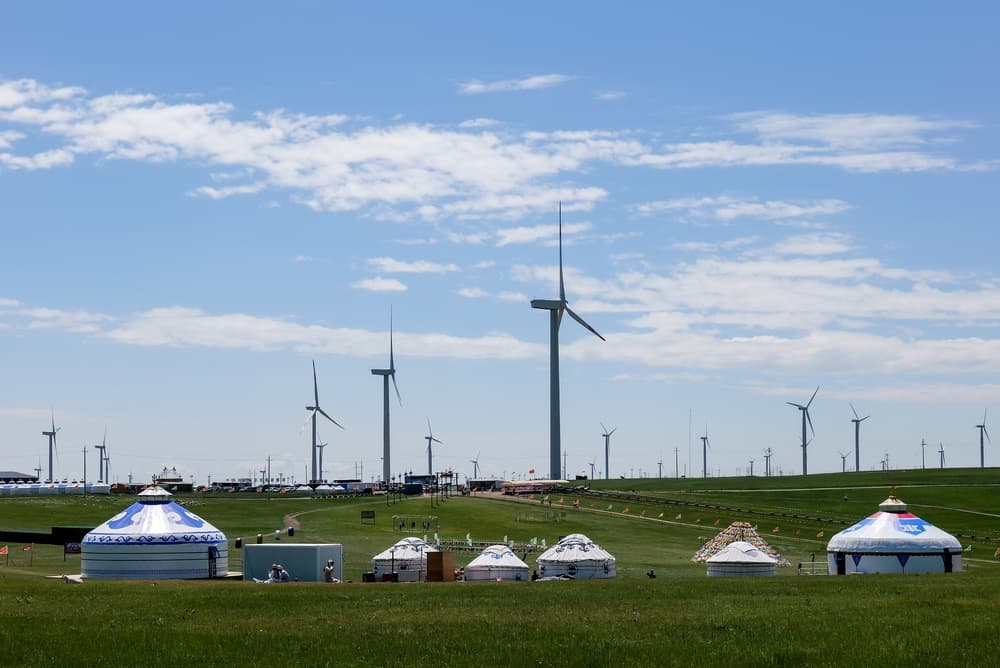
Among the most significant consequences linked to these unresolved conflicts are territorial overlaps, where a whole series of hydroelectric, energy storage, wind farm and solar park projects are being built within or near ancestral domains. Experts and academics also highlight the issue of the lack of consent: despite laws guaranteeing the right to ‘Free, Prior and Informed Consent’ (FPIC), several communities report that construction sites and deforestation are taking place without the full approval of the National Commission on Indigenous Peoples (NCIP) or the tribes themselves. Among the indigenous peoples most affected are the Isneg in Ilocos Norte and Apayao.
There is also the issue of mining and ‘transition minerals’, where the extraction of nickel – necessary for electric vehicles – in Palawan and other areas has led to the destruction of farmland, water pollution and the forced displacement of local communities. Added to this are incidents better known as ‘red-tagging’ – that is, the false accusation of links to insurgencies – and the militarisation targeting environmentalists. Finally, there is growing concern over the disproportionate impact on women and young people: the loss of livelihoods often forces men to migrate in search of work, leaving women to shoulder the responsibility of protecting their territories and forcing young people to leave school to support their families.
A united front
In response to an issue that is becoming increasingly pressing and topical, a number of proposals have been put forward that aim to combine both “institutional responses” and “community initiatives”. The NCIP, in particular, has introduced an approach known as ADRES (Ancestral Domain Renewable Energy Systems) to align resource mapping and promote indigenous political involvement before investments are made. In this regard, pilot projects have been developed with public funding of around 400 million pesos (just over 5.7 million euros).
With a view to developing sustainable community-based models, various organisations such as the Right Energy Partnership with Indigenous Peoples and indigenous tribes, including the Isneg in Apayao, are developing micro-hydroelectric systems managed directly by the communities. In this case, the aim, as the promoters explain, is to “assert energy sovereignty on their own terms”. Finally, there are numerous appeals from the Church and Philippine civil society, such as the one published by the CBCP in recent days. Bishops and human rights groups such as Katribu and the Legal Rights and Natural Resources Centre continue to call for real legal protections, effective recognition of ancestral titles and a fair share of the economic benefits derived from ‘green’ projects.