Hanoi (AsiaNews) – Vietnam has an ambition plan to incorporate traditional Vietnamese medicine into the international healthcare market by 2030, making it more modern, comprehensive, and science-based, and to create a high-value-added economy capable of supporting and driving medical tourism in the country.
In so doing, the Southeast Asian nation seeks to strengthen its soft power and position itself among the global leaders in the sector, effectively creating a global brand.
According to the official Vietnam News Agency (VNA), Deputy Prime Minister Phạm Thị Thanh Trà signed Decree No. 1976/QD-TTg yesterday, approving the national strategy for the development of traditional medicine (a dedicated museum has already been established in Ho Chi Minh City), with a long-term outlook extending to 2045.
The strategy aims to create a coordinated system encompassing medical consultations and treatments, training, scientific research, technology, medicinal raw materials, and the associated industry.
It also seeks to develop a high-value-added economy linked to traditional medicine that can support and expand medical tourism, strengthen the country’s soft power, and secure a leading position in the global traditional medicine market.
By 2030, all provinces and cities must have dedicated hospitals, and at least 70 per cent of these facilities must have a capacity of 300 beds or more.
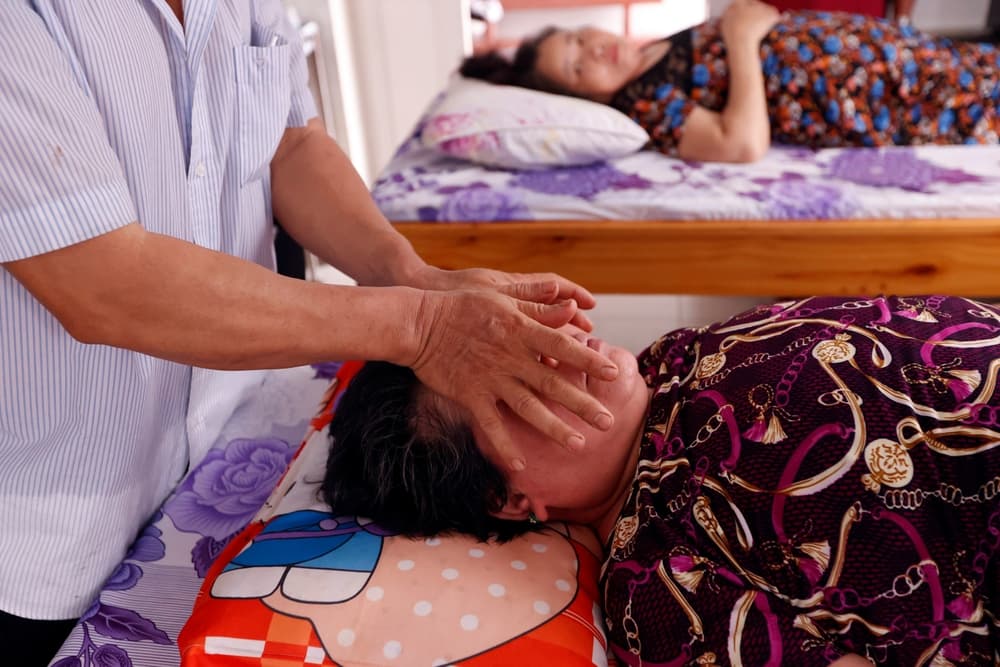
All geriatric institutions will be required to include traditional medicine departments, while geriatric wards in provincial-level general hospitals must integrate traditional medicine into the care and rehabilitation of the elderly.
Vietnamese traditional medicine, also known as southern herbal medicine or herbology, is based on the knowledge of indigenous populations and stands in contrast to traditional Chinese medicine, or northern medicine.
The practice draws on fundamental Eastern concepts such as balance, yin and yang, and energy flow, while focusing on local and regional resources and utilising common ingredients, including native plants (fresh or dried), aromatic herbs, and everyday vegetables (such as lemongrass, mugwort, mint, and betel leaves), as well as flowers and, albeit rarely, animal-derived products.
Key preparations include oral decoctions and remedies, topical ointments, poultices, and traditional steam therapies, commonly used to treat ailments such as fever and cough, though historical texts also document its use for smallpox.
By setting specific targets for the services provided, the government strategy mandates that treatments integrating traditional and modern medicine account for at least 10 per cent of services in specialised facilities, 20 per cent in intermediate-level facilities, and 30 per cent in primary care settings.
All municipal-level health stations will be required to provide traditional medicine services. Furthermore, healthcare spending on consultations and treatments is expected to at least double compared to the levels projected for 2025.
Hanoi aims to ensure self-sufficiency for at least 20 per cent of domestic demand for medicinal raw materials, alongside an annual growth of at least 10 per cent in production value across the medicinal raw material, traditional medicine, and herbal product sectors.
In addition to the domestic market, the government wants to achieve an average annual increase of at least 10 per cent in global exports of these products.
The strategy entails an annual increase of at least 15 per cent in scientific research, technology, and innovation projects in the field of traditional medicine, with 20 per cent allocated to biotechnology research on medicinal materials and related products.
By 2030, at least 90 per cent of township-level health facilities must have at least one staff member trained in traditional medicine, and 20 per cent must have a physician specialising in the discipline. All degree programmes in the healthcare field must include modules dedicated to traditional medicine.
Vietnam also aims to digitise at least 70 per cent of the knowledge already catalogued, collected, and verified, while also researching, standardising, and applying at least 30 remedies, treatment methods, or bodies of traditional knowledge in healthcare or product development.
Plans are in place to develop national brands for 30 products made from medicinal raw materials, traditional medicines, and herbal preparations.
Additionally, five lines of integrated services and products combining traditional medicine and healthcare for tourists are planned, linking health services with the preservation and promotion of traditional culture and indigenous knowledge.
The projected share of traditional medicine services incorporating treatments that combine traditional and modern approaches is set to rise to 15 per cent in specialised facilities, 25 per cent in basic-level facilities, and 40 per cent in primary care facilities. Furthermore, domestic production will meet at least 25 per cent of the demand for medicinal raw materials.
By 2045, Vietnam envisions a traditional medicine sector capable of preserving national identity while meeting advanced regional and global standards.
The strategy outlines several groups of measures: policy improvement, strengthening traditional medicine across all stages of life, developing the medicinal raw materials industry, promoting research and digitalisation, training qualified personnel, preserving traditional knowledge, protecting intellectual property, expanding markets and international cooperation, raising public awareness, and strengthening inspection and oversight activities.