Malé (AsiaNews) – A campaign to expel undocumented workers has been underway in the Maldives for some time. Last week, the government carried out an operation involving more than 400 foreign immigrants, resulting in the arrest of 13 people.
The action is part of Operation Kurangi. Launched in 2024 and backed by President Mohamed Muizzu, its stated aim is to combat irregular employment among migrants and identify and regularise foreign workers.
The campaign has been structured in three phases. The first involved collecting photographs and fingerprints of foreign workers to create a database accessible to local authorities. The second focused on verifying and regularising employment and immigration status. The third, launched in May 2026, seeks to track down and deport 2,895 foreign nationals without a valid residence or work permit.
In July, the Immigration Watch website was launched, allowing Maldivians to anonymously report workers lacking proper papers. According to President Muizzu, the government has received nearly 1,300 reports.
Since the start of Operation Kurangi, the authorities have raided various businesses, including cafés and restaurants, arresting undocumented workers. The police also released online high-definition footage of the operations, a move that sparked public criticism.
In a speech to Parliament, Muizzu highlighted his government's achievements in combating irregular employment. According to the president, since taking office in 2023, more than 6,000 irregular workers have been deported, with authorities reviewing more than 200,000 cases.
When the campaign began, he added, approximately 148,000 migrants were living in the country without a valid residence or work permit. However, irregular status among foreign workers does not always stem from illegal entry into the country.
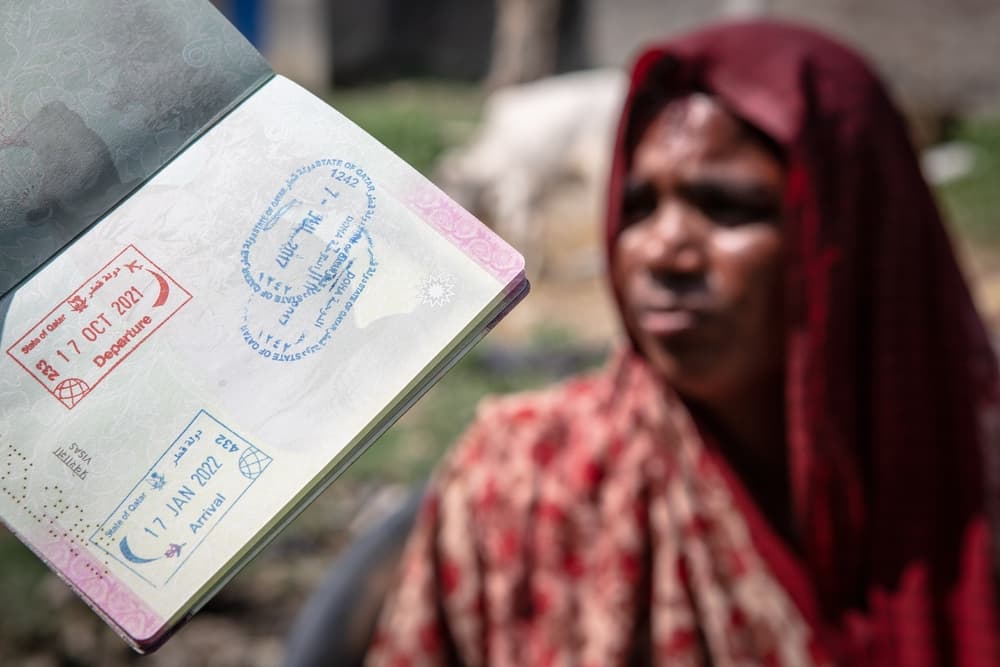
A study by the Public Interest Law Centre shows that many migrants arrive in the Maldives legally but subsequently become irregular due to unpaid wages, failure to renew visas, or reports of "absconding" or escaping filed by employers.
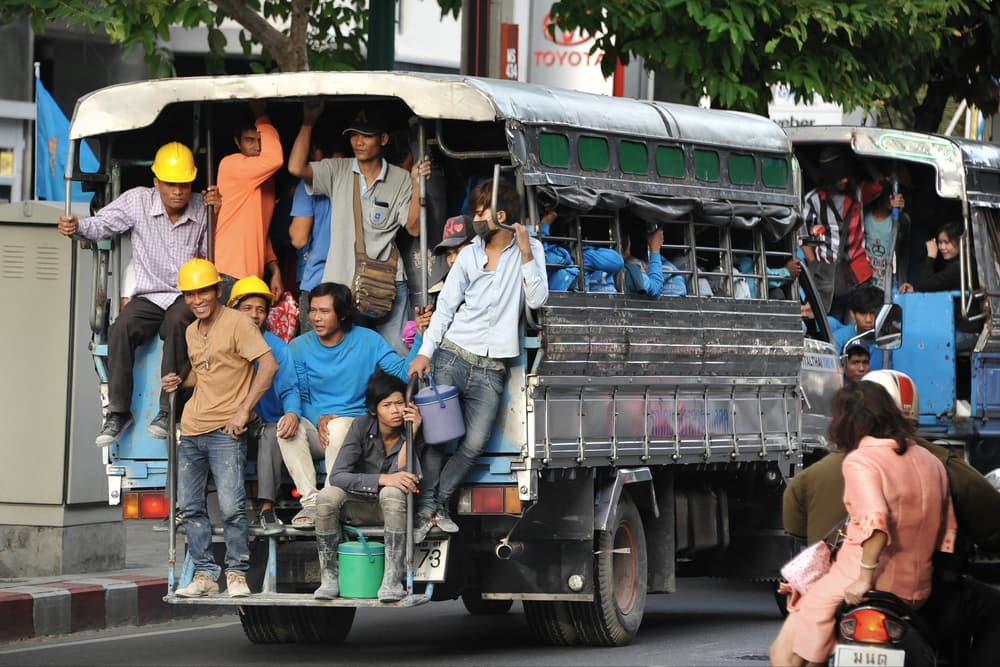
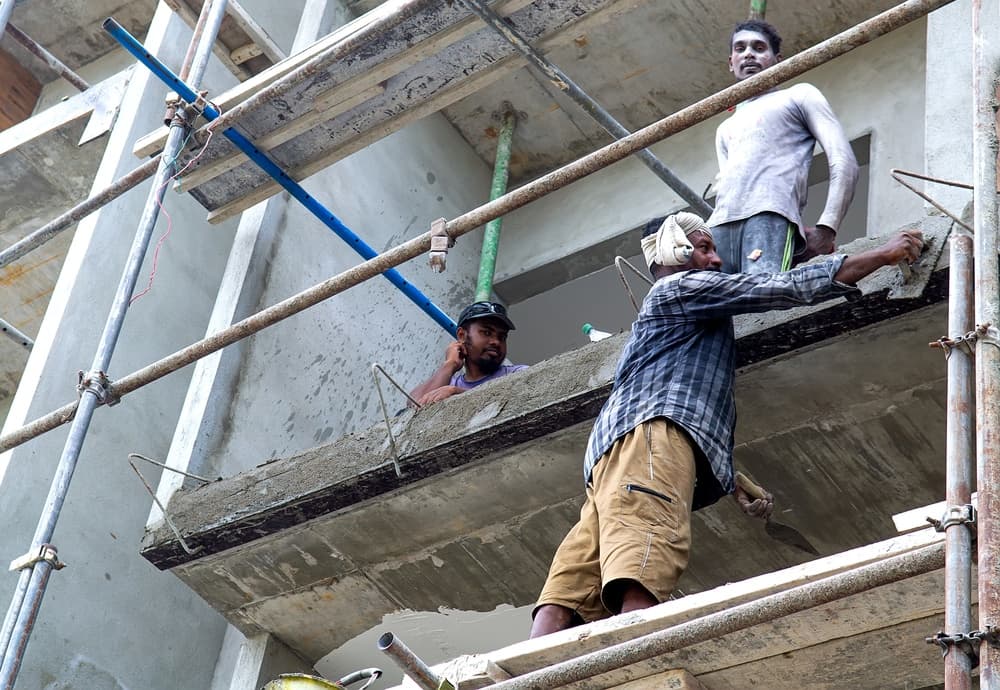
Workers from Bangladesh are particularly vulnerable. Recent estimates place their numbers at around 100,000 across the archipelago, with most employed in the construction and tourism sectors.
In August, the deaths of eight Bangladeshi nationals in just ten days drew renewed attention to the conditions faced by foreign workers in the country.
Transparency Maldives, an organisation dedicated to protecting rights and promoting transparency, has criticised the lack of protections for migrants and called on the authorities to provide greater guarantees regarding health and workplace safety.
Along with the crackdown on irregular workers, the government has implemented new measures since 2024 to combat the exploitation of foreign workers. Employers who withhold wages or deny essential services to workers face a fine of approximately US$ 3,250.
In August, a requirement was introduced mandating that employers deposit wages into a Maldivian bank account held by the worker, enabling the authorities to verify that payments have actually been made.