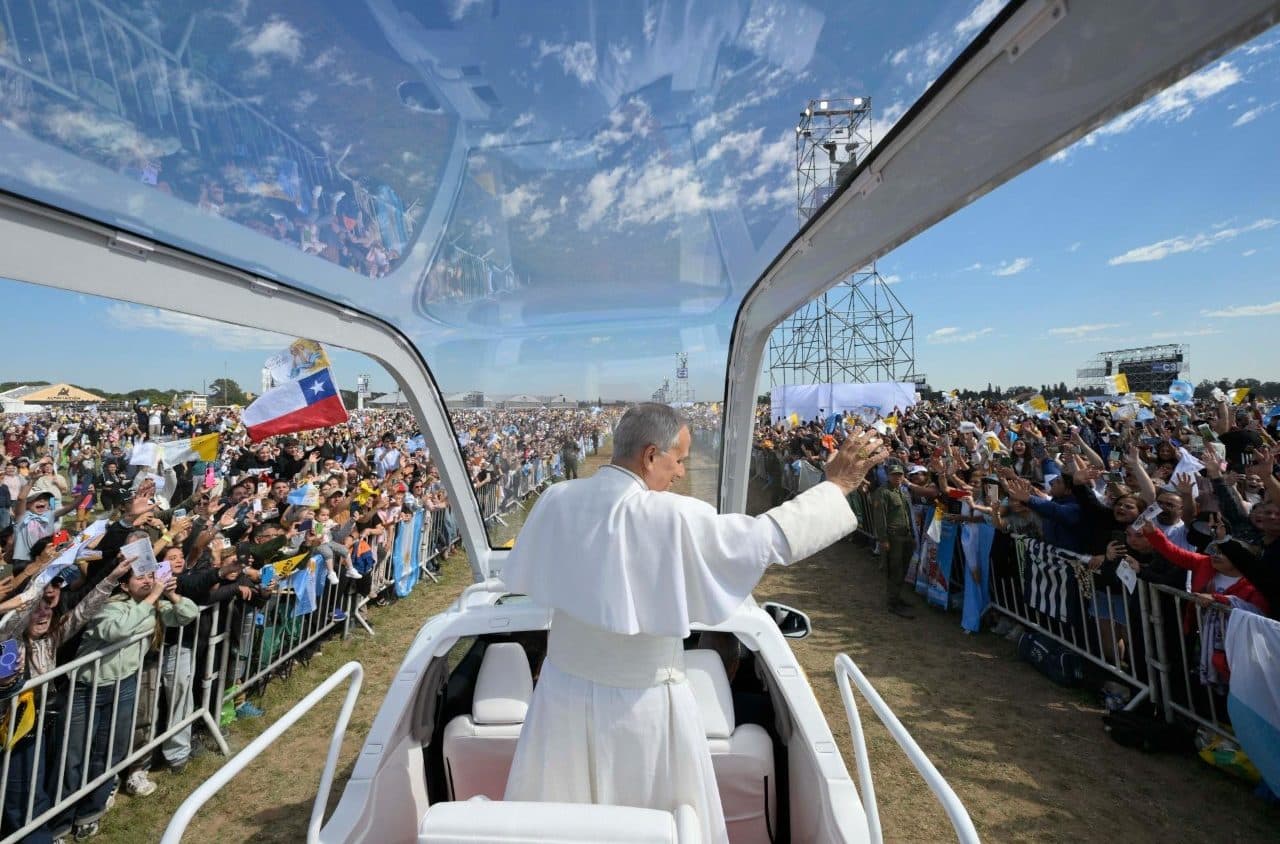
Lima (AsiaNews) – Last night, Pope Leo XIV spoke at a prayer vigil with young people and university students in Lima. It was a unique, moving occasion, attended by approximately 60,000 people, who joined together to welcome the pontiff “home”.
“Someone told me that Peru needs a sign of hope; well, here today at the National Stadium, you are that sign of hope,” he told the crowd. After listening to some of their stories and questions, he asked them: “What are you looking for? What do you hope to find? What do you hope for in life?”
Leo said that there should be no “rush” to respond. The questions probe young people’s conscience and hearts at a time when they are living with possibilities and grand “dreams”.
“Some questions accompany us for a long time. Think about what fills you with enthusiasm, about the people you love and the dreams you would be willing to fight to achieve,” he told them. “Think, also, about the concerns that sometimes keep you awake at night and the things you would like to change. Jesus is interested in all these matters because he is interested in you.”
“We all need someone who will listen to us”
“Dear young people, when you suffer, turn to Jesus. Do not be afraid to speak to him honestly, even when you struggle to find words for prayer.” Jesus, he said, “knows our tears and the questions to which we do not yet know the answers.”
“Seek, too, the company of those who love you: some sorrows need time and a helping hand.”
“Be passionate about everything that is worthwhile, about what is true, good and beautiful! Develop your talents, discover the richness of your culture and dare to undertake magnanimous projects.”
The pope reminded them that “friendship with Christ also gives rise to a more authentic friendship with others, one that sincerely seeks their good, knows how to forgive, and remains faithful, especially in times of difficulty.”
“The Church,” he stressed, “is born and lives from this friendship with Christ.” Indeed, “We all need someone who will listen to us, encourage us when our strength fails or simply remain at our side. So do not think that you must always appear strong, especially if you lead groups or accompany others. Allow yourselves to be cared for.”
Today’s highly anticipated return to Chiclayo
Today, the pontiff travelled to Chiclayo, the diocese which he led as bishop for eight years, from 2015 to 2023. Here he forged a bond of mutual affection and trust with the local community, a relationship tested and strengthened during times of challenge and hardship, such as the floods that struck Peru and the COVID-19 pandemic.
This was one of the most anticipated moments in his apostolic journey to Latin America, which will end next Monday.
Today, the pope celebrated an outdoor Mass at Pampas de Pimentel, near Chiclayo.
This was followed by a meeting with bishops, priests, religious men and women, seminarians, and synodal teams, as well as the academic community.
The Church’s journey is “eminently missionary”
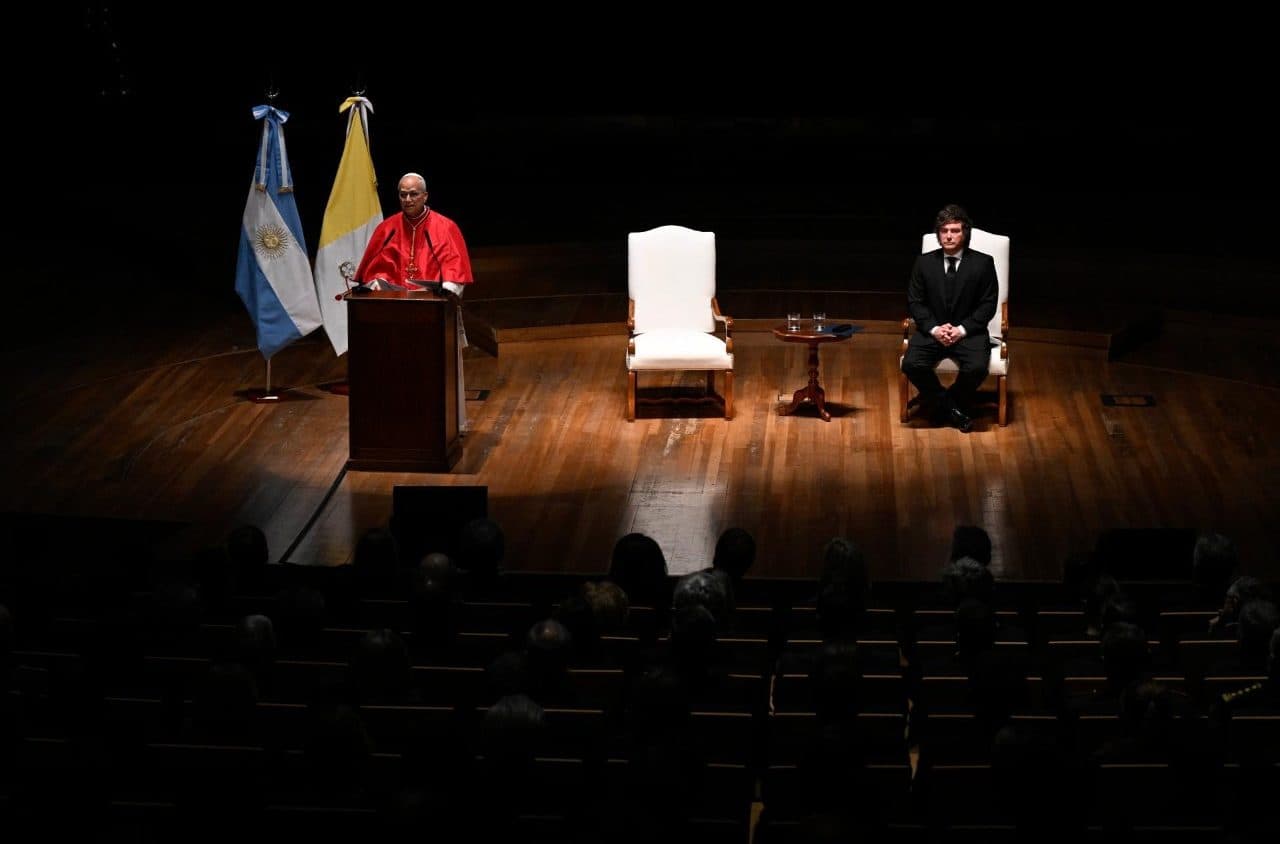
Yesterday morning, Pope Leo XIV met with the bishops of Peru in the chapel of the Archbishop's Palace in Lima.
In the address, he emphasised "fraternity" and "communion" through which to prevent that “social or political polarization from weakening his prophetic and evangelizing mission.”
Leo made three suggestions to the prelates:
“First: do not cease to walk with the people.
“Second: let us never cease to walk together, in episcopal communion, as witnesses to the unity we proclaim.
“Third: let us never tire of opening our hearts to God, so that he may renew our vocation; to our brothers and sisters, so that divisions may be healed; and to his people, so that they may find in you the ‘father bishop’ who is close at hand, courageous and merciful.”
For him, Peru today needs “shepherds capable of listening to the questions of our time and illuminating them with the clarity of the Gospel.”
They should “be able to accompany families, support young people, defend the life and dignity of every person, promote justice and commit to the care of creation, helping in a particular way those who suffer from poverty, exclusion, corruption, violence and a lack of opportunities.”
In this sense, the “path” of the Church is “eminently missionary”.
Regarding abuses by clergy, the response is to foster a culture of prevention and protection
The pontiff also spoke about the wounds left by “the abuses perpetrated by members of the clergy or within the context of the Church.”
“We must respond as Jesus would, with truth, justice, forgiveness, making amends and an ever more resolute commitment to fostering a culture of prevention and protection for the weakest in light of such crimes,” he told the bishops.
Yesterday afternoon, the pontiff met, in a session lasting over an hour at the Apostolic Nunciature in Lima, with six victims of abuse by the clergy.
“He met with each individually, listening to their stories of suffering and pain,” the Vatican Press Office reported. At the end of the meeting, he “thanked them for their valuable testimony, expressing his closeness to them and to all those victims of abuse whom he had been unable to meet."
“Harmonize the roles of men and women in families”
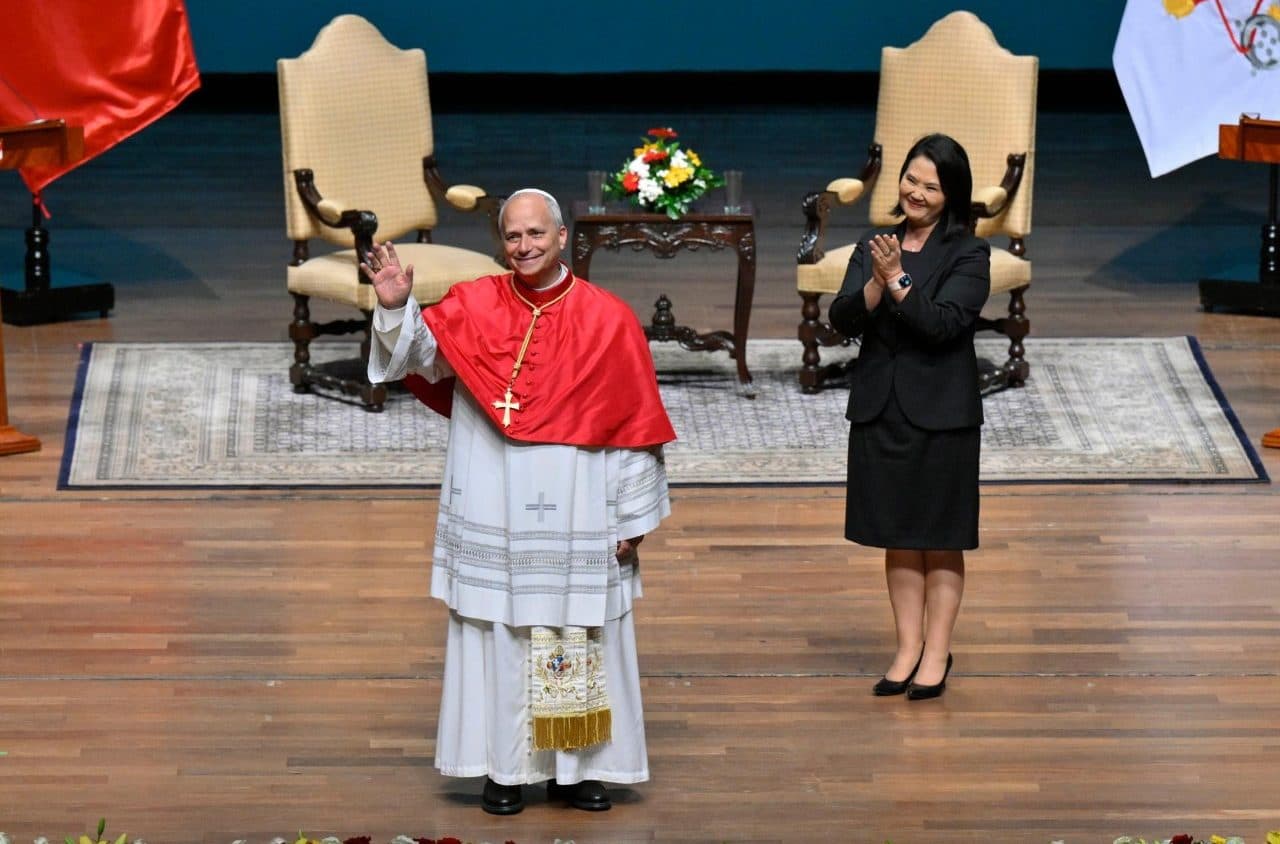
At 11:30 am local time yesterday, in front of the cathedral in Lima and before a crowd of approximately 40,000 people, the pope also presided over a meeting focused on the challenges and hopes of the Peruvian people.
His address touched upon pressing, contemporary issues facing Peruvian society, such as employment, the family, and marginalisation, but also “machismo”, which leads to “abuse and violence against women”, contrary to the tenets of Christianity, which “proclaims that men and women possess equal dignity and responsibility.”
The pontiff knows these “challenges and hopes” very well, after 20 years spent living among the Peruvian people. Hence, he noted that “cultural changes have altered the traditional roles of men and women, who seek to develop new attitudes and ways of life in the family and in society, sometimes by mistaken paths.”
“God created the human person male and female. It is in this union alone that reciprocity and complementarity are expressed”. Still, traditional roles do not entail “an unequal sharing of domestic responsibilities or the subordination of one spouse to the other.”
In Plaza de Armas, Leo said that, “We must continue working to harmonize the roles of men and women in families and affirm that both share the responsibility for building the future of society.”
He called for “hearts that are honest” capable of seeking the “common good” in order to overcome “corruption, violence and individualism.”
The pontiff also underlined the value of plurality, stressing that, “We cannot accept expressions or behaviors that classify, offend or judge people on the basis of their appearance, origin or social condition, under the pretext of certain jokes or popular slang. Along with disarming our language,” he said, it is necessary to give “up hurtful words, we must also disarm our attitudes.”