Milan (AsiaNews) – Files in Chinese have been compiled for Catholic cardinals in Asia, the leadership of the Presbyterian Church in Taiwan, Tibetan Buddhist civil society groups and the Tibetan government-in-exile, as well as Falun Gong practitioners and their affiliated media.
For each target, information was gathered regarding their China-related activities, any potential scandals, and possible points of leverage.
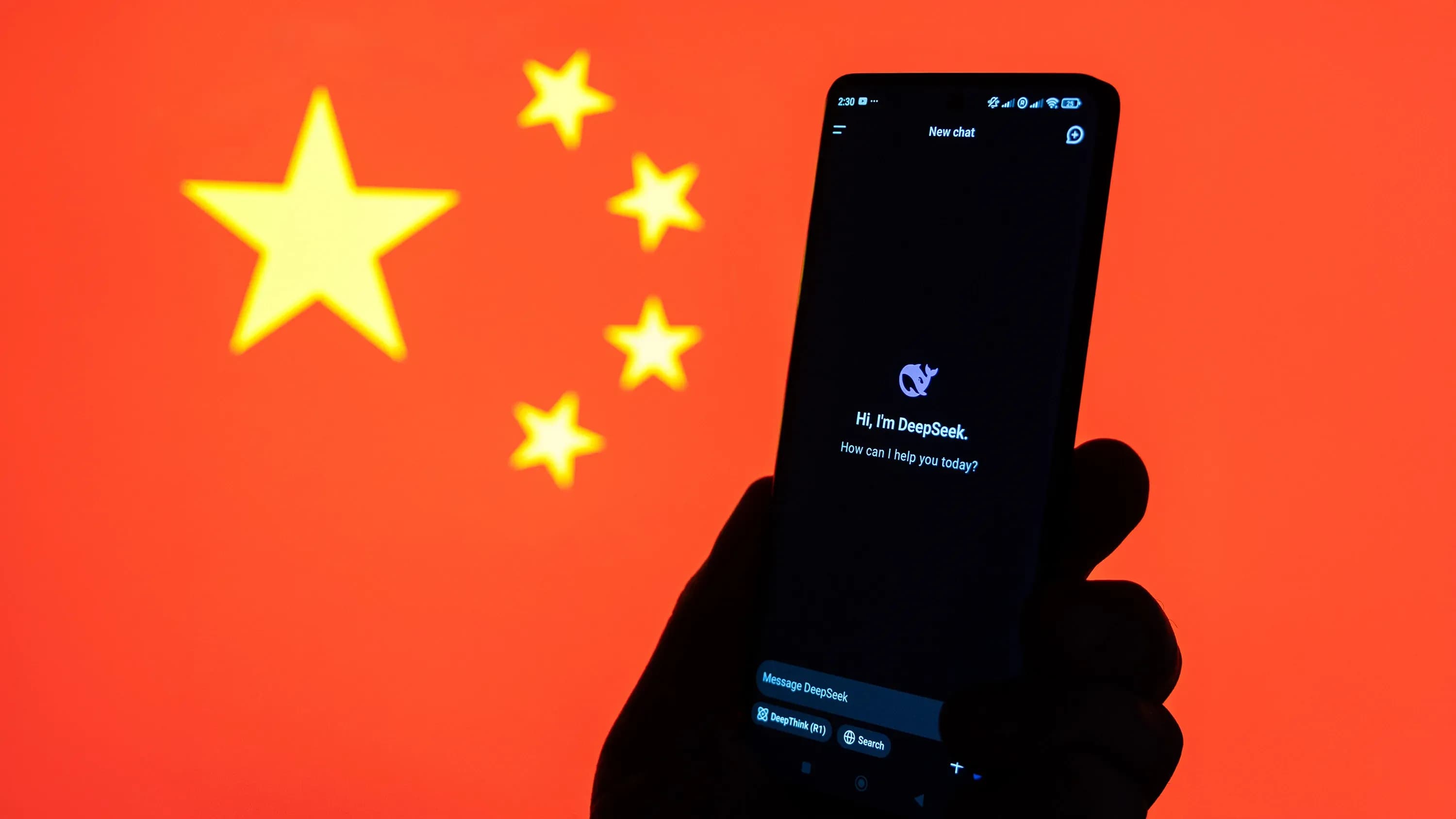
According to Anthropic, an intelligence operation focused on religious affairs, aligned with the Chinese government, tasked Claude, the artificial intelligence (AI) model developed by the US-based company, with this work.
The case is detailed in a report titled Detecting and Countering Misuse of AI: September 2026,releasedby Anthropic on 10 September.
The document examines instances of misuse of its models that were identified and countered between December 2025 and August 2026. The company has since blocked the accounts involved and strengthened its systems for detecting such abuse.
Intelligence-Gathering Desk
According to the report, a single operator managed what Anthropic describes as an intelligence-gathering desk focused on religious affairs. The model acquired materials in various languages, translated them, and compiled them into files in Chinese.
The information-gathering efforts spanned Chinese platforms, such as WeChat, Xiaohongshu, Douyin, and Weibo, as well as Western ones, including LinkedIn, Instagram, Threads, X, and Facebook.
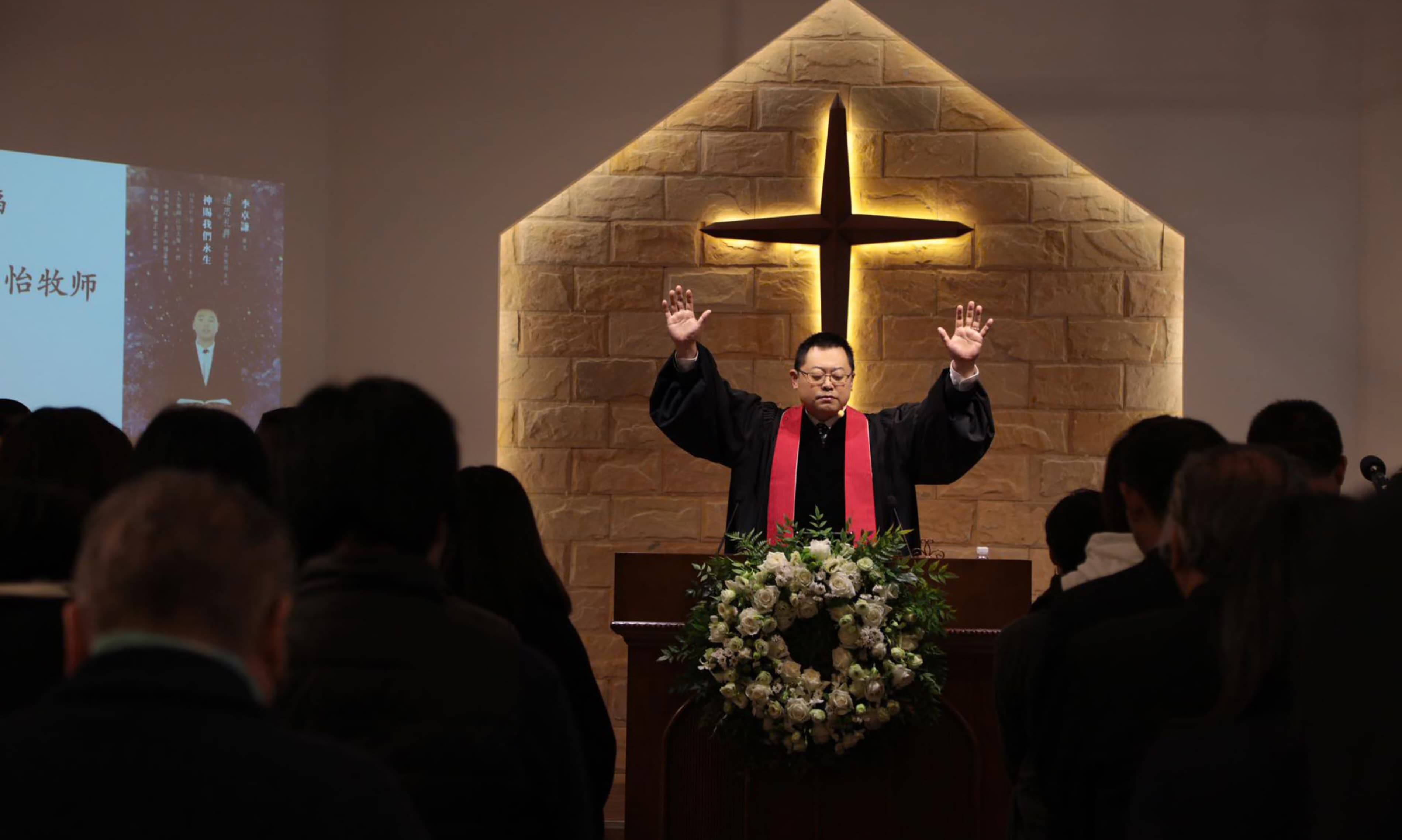
The individuals tracked ranged from prominent religious figures to private citizens. Christian missionary networks connecting mainland China, Hong Kong, and Singapore were also monitored.
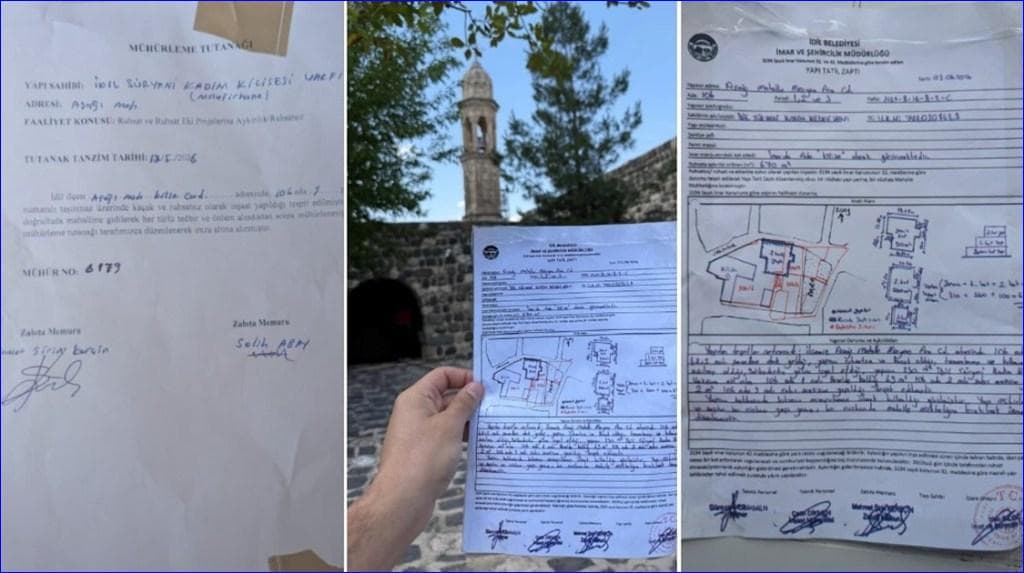
In addition to files on single individuals, the operation included reconnaissance of places of worship, collecting floor plans, images of facades, and structural layouts.
Anthropic reports that a Chinese intelligence unit dedicated to religious affairs, once composed of numerous teams of analysts, has reportedly been slimmed down to a single office, which, with the aid of AI, is now capable of producing thousands of investigative reports per month.
“Leverage” for applying pressure
Among the items requested from AI in the files was the Chinese word抓手(zhuāshǒu), literally translated as “handle”, which, in this context, refers to a vulnerability that can be exploited to exert pressure on an individual.
For Anthropic, the term is linked to the United Front Work Department (UFWD), a Communist Party body tasked with managing relations with religious groups, ethnic minorities, and overseas Chinese communities.
The company believes the operation was aligned with the priorities of Chinese government agencies responsible for religious affairs and the UFWD.
Furthermore, the activity of the accounts suggested that the operators were based in China; in one instance, a user identified themselves as a cybersecurity official for the Chinese government. However, these details are not sufficient to definitively identify the specific agency responsible.
Anthropic describes the operation as aligned with the Chinese government, without attributing it to any particular entity.
Compensating for staff shortages
As early as June, a project from Southeast University in Nanjing was identified, proposing the use of AI to monitor religious content online, partly to address a shortage of personnel tasked with oversight.
AI was intended to shift capabilities beyond simple keyword filtering towards more comprehensive semantic analyses, enabling the identification and blocking of content that does not align with official guidelines.
Within and beyond borders
This case is part of a broader section of the report detailing surveillance operations identified between January and July 2026, linked to actors associated with China, Iran, and West Africa.
Chinese state entities reportedly used Claude to monitor and attempt to recruit Uyghurs in Syria, including members of the diaspora and activists.
The AI model helped identify potential targets, draft messages in the local dialect, translate responses in real time, and organise information.
Another set of accounts, linked by Anthropic to Chinese public security and state security apparatuses, targeted dissidents and communities deemed sensitive by the government, including human rights defenders, pro-democracy activists from Hong Kong, Uyghur organisations, and civil society groups based abroad.
The report also describes how Claude was used to identify individuals who might be suitable for carrying out monitoring activities on behalf of the Chinese government.
The focus of Chinese stateagencieson religious communities in Asia is not new. On 28 July 2020, the cybersecurity firm Recorded Future, in a report titled Chinese State-Sponsored Group ‘RedDelta’ Targets the Vatican and Catholic Organizations, documented a campaign of cyber intrusions attributed to RedDelta, a group believed to be linked to the Chinese state.
Targets included the Vatican, the Catholic Diocese of Hong Kong, the Holy See’s Study Mission in China, and the Pontifical Institute for Foreign Missions (PIME). These activities were detected in the months leading up to the renewal of the provisional agreement between the Holy See and Beijing regarding episcopal appointment.
According to the research, the intrusions may have been intended to gather information on the Vatican’s negotiating position and the relationship between the Holy See and the Catholic Church in Hong Kong.