Milan (AsiaNews) - A Greek Orthodox church in Karak, south of Amman, was attacked on Friday, leaving scores of people dead or wounded.
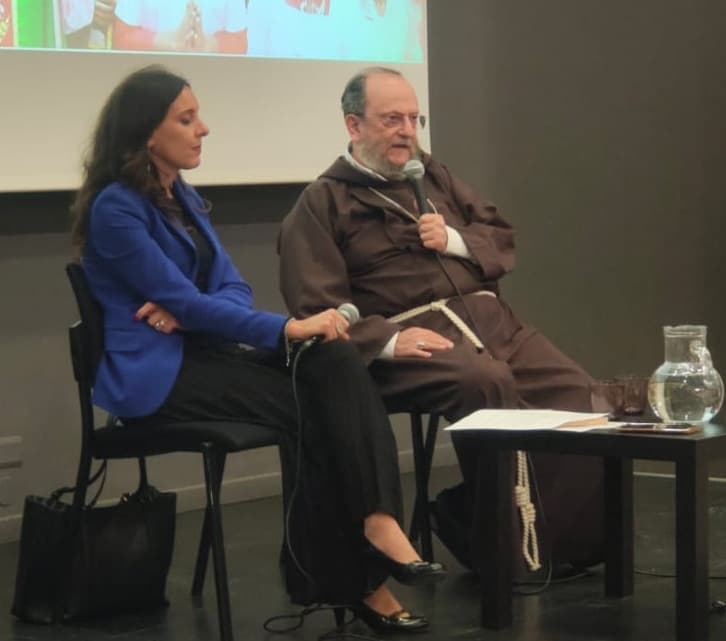
“What happened today in Jordan concerns the whole of Jordanian society and touches the heart of each one of us deeply,” says Father Rifat Bader, director of the Catholic Center for Studies and Media in Jordan, in a statement to AsiaNews. “Such a tragedy evokes pain, dismay, and disbelief, among Christians and Muslims alike,” he added.
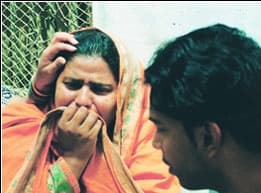
“At this moment, we must remain united in prayer, in mourning, and in fraternal solidarity.” At the same time, “we express our closeness to the families of the victims and pray for the swift recovery of the wounded.”
The death toll currently stands at seven, with some ten people wounded, though the exact number remain uncertain. Jordanian authorities have not yet provided an official count.
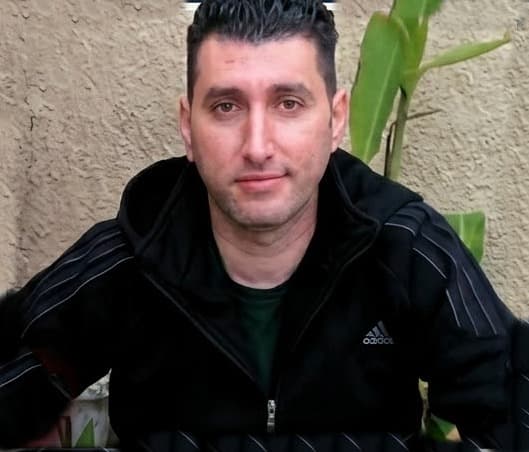
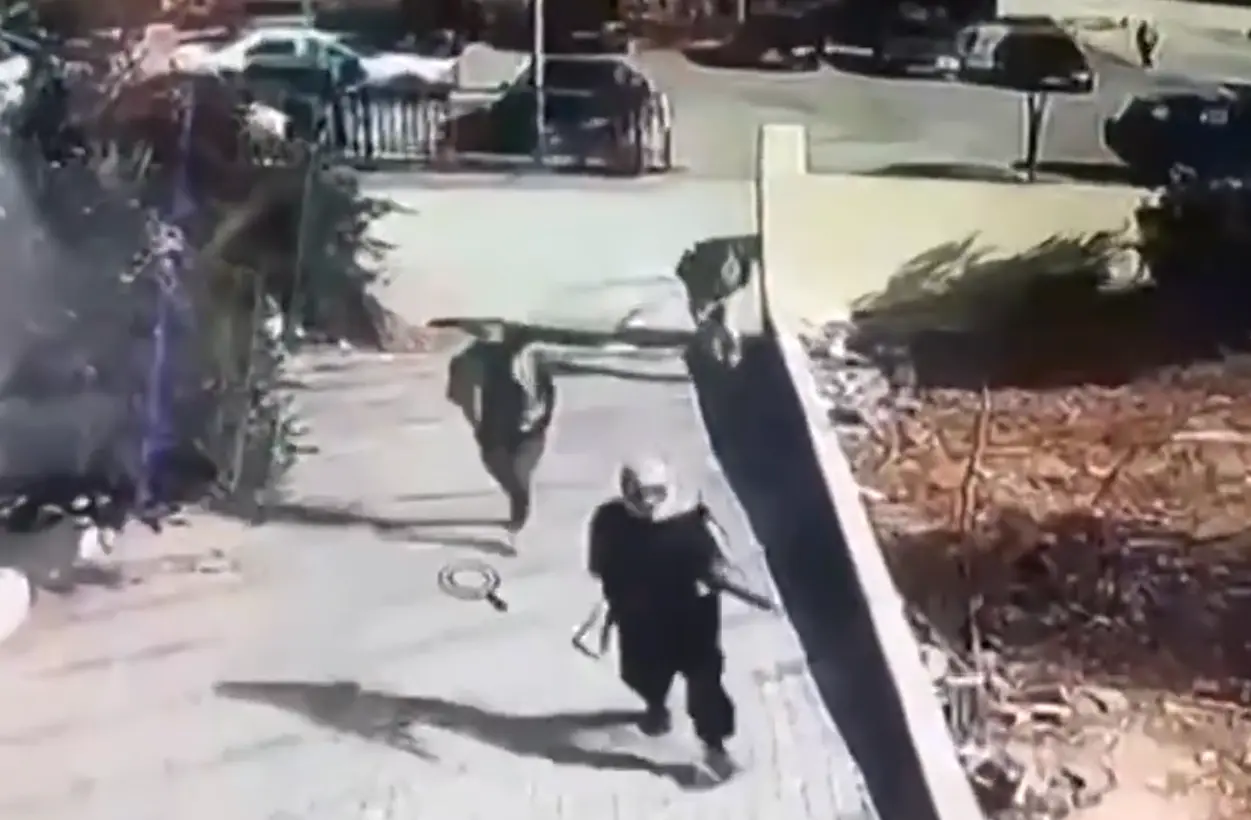
According to initial accounts, two armed men (pictured) entered the place of worship and opened fire while a funeral ritual was underway.
Security forces and the police have launched an investigation to identify those responsible, who remain unknown, and to determine the nature of the attack, which is highly likely sectarian in origin, carried out by Islamic extremists.
The attack occurred in Hammoud, Karak Governorate, some 180 km south of the capital.
Medical sources report that some of the wounded are in serious condition and have been admitted to local hospitals.
Karak is home to a long-established Christian community, a minority in the predominantly Muslim country, which has historically been as a symbol of security, stability, and religious freedom in a region otherwise plagued by sectarian conflict and persecution.
Mohammad al-Momani, a spokesperson for the Jordanian government in Amman, confirmed in a statement that security services have launched an investigation into the attack.
In a statement sent to AsiaNews, Father Rifat Bader, a member of the Latin Patriarchate of Jerusalem, acknowledges that it is “particularly hard to believe that such an act could have occurred,” and this, “for four main reasons”.
“First of all, because it happened in Jordan, a country whose leaders and people have made security, coexistence, dialogue, and religious harmony some of their core values.
“Secondly, because it took place in Karak, southern Jordan, a region known for its long tradition of fraternity, where Muslims and Christians have lived together for generations, free from religious barriers or inhibitions, sharing joys, sorrows, traditions, and a sense of belonging.
“Thirdly, because it happened in a church, a sacred place, a house of God, a space of welcome, which should always be respected and protected.
“Finally, because it occurred during a funeral, one the most delicate and painful moment for a family. Relatives, cousins, friends, and acquaintances, both Muslim and Christian, had gathered to bid a final farewell to a woman who had passed away the day before.”
Indeed, “It is hard to imagine a more sensitive moment to strike people already filled with grief. It is like adding one tragedy to another, wounding not only the families involved but the conscience of the whole of Jordanian society.
“These four elements, Jordan, Karak, a church, and a funeral, make what happened all the more shocking and difficult to comprehend.”
Although deeply shaken by the incident, the priest wishes to reaffirm “our confidence” in the country’s leaders, starting with King Abdullah II, who has expressed his closeness to the affected families.
“We have faith,” the clergyman says, “in our government and our security forces, who are tasked with ensuring justice and protecting all citizens.”
“Let us not forget that Jordan is the home of the Amman Message, of the A Common Word initiative, and World Interfaith Harmony Week. It is a country,” he stated with pride, “that has opened its doors to so many refugees, including Christians who fled Mosul and other regions marked by persecution and violence.”
While condemning the attack, the priest points out that a single crime does not represent the entire community, and that “national unity and fraternity between Muslims and Christians” must be preserved.
Presently, “we are preparing for the 2030 Jubilee,” he notes, “which will commemorate the two-thousandth anniversary of the Baptism of Jesus Christ in the Jordan River.”
“This is an event that involves all of Jordan, for we are one national family, Christians and Muslims alike, united in our love for our country. The Jubilee will not be halted by fear or violence; on the contrary, it must become an even stronger symbol of hope, resilience, peace, and fraternity.
“Jordan has been, and will continue to be, an example of coexistence and harmony for the world.”
Although “Whoever committed this act may have wounded our hearts, they must not succeed in breaking our unity. For,” he explains, “Jordan’s response to violence will always be more fraternity, greater solidarity, and a deeper love for our shared homeland.”