Toyama (AsiaNews) – Ryoshin Takagi has died. He 96-year-old was the last surviving plaintiff in a lawsuit against a mining company held responsible for the outbreak of Itai-itai disease in one of the most severe cases of industrial pollution in Japanese history.
Takagi passed away on 1 November in a Toyama hospital. His family reported that he had been battling cancer of the pleura, the membrane that lines the lungs.
With his death, the last of the residents who took Mitsui Mining & Smelting to court, seeking compensation for the effects of cadmium poisoning in the Jinzu River Valley, is gone.
His personal history was inextricably linked to the disease – he lost both his mother and grandmother to the cadmium poisoning that, for decades, afflicted farming communities in Toyama Prefecture, central Japan.
In 1966, he helped found the Itai-itai Disease Residents' Association, serving as its first vice-president. Two years later, he joined the plaintiffs in the lawsuit against the mining company.
In his later years, he continued to share his story with younger generations, serving as a witness at a local museum dedicated to the disease.
Itai-itai byō (lit. 'it hurts-it hurts disease) is so named because of the excruciating pain caused by the disease.
The first known cases were reported as early as 1912, but for decades it was assumed to be merely a localised illness of unknown origin, partly because those affected were primarily elderly women, many of whom had experienced multiple pregnancies.
The poisoning causes kidney damage and osteomalacia, a condition that renders bones fragile and prone to fractures.
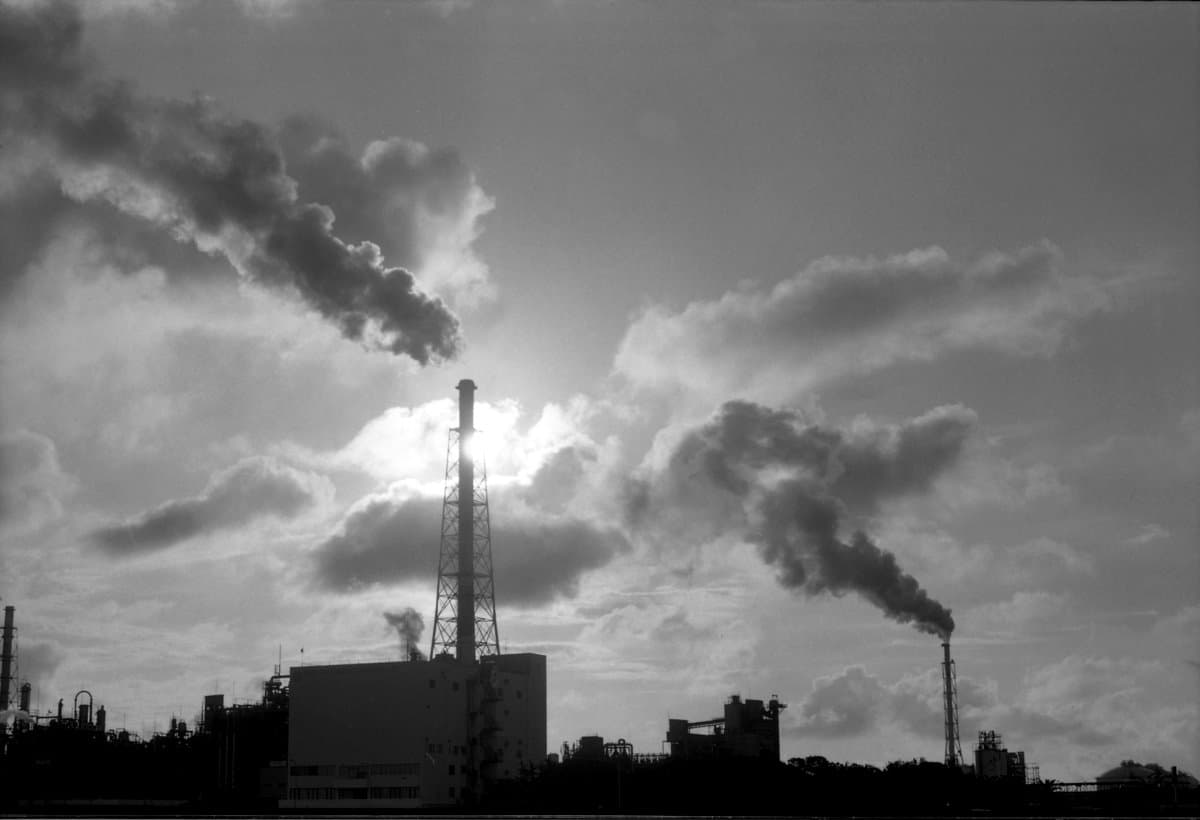
Only after many years was the Kamioka mine, located in Gifu Prefecture and operated by Mitsui Mining & Smelting, identified as the source of the disease. Industrial waste containing cadmium had contaminated the river and the farmland along its course.
The heavy metal entered the food chain and accumulated in the bodies of residents, primarily through water used to irrigate rice fields.
It was not until May 1968 that the Ministry of Health officially acknowledged that the disease was caused by chronic cadmium poisoning linked to the mine’s operations.
This was the first instance that the Japanese government recognised an illness caused by industrial pollution, subsequently followed by other similar cases.
As early as March of that year, residents and the families of the victims took legal action against the company, seeking compensation for damages; however, the firm contested the claims, arguing that a sufficiently precise causal link between the mine’s operations and the illness had not been established.
On 30 June 1971, the Toyama District Court ruled in favour of the residents, a landmark legal victory for the local population in a case of industrial pollution in Japan. This judgment was upheld on appeal on 9 August 1972.
The day after the appellate ruling, representatives of the victims' movement arrived at Mitsui’s headquarters in Tokyo. Following eleven hours of negotiations, they secured three agreements: compensation for the victims, the restoration of contaminated land, and a pact to prevent future cases of pollution. The latter agreement also granted residents the right to inspect the company’s facilities and directly monitor the measures being implemented.
In 1973, an additional agreement was signed regarding healthcare assistance and compensation.
The Toyama case is part of an era of major battles against industrial pollution that unfolded in Japan during the country’s rapid post-war economic growth.
Another significant case is that of Minamata disease, which was officially recognised in 1956 in Kumamoto Prefecture. In that case, too, the illness originated from the discharge of industrial waste, specifically, water contaminated with methylmercury, into a bay.
The cases of Itai-itai, Minamata, Niigata (where a second outbreak of mercury poisoning occurred), and Yokkaichi (involving air pollution that caused asthma) represent the four major pollution-related lawsuits that helped improve Japan’s environmental legislation.
The remediation of contaminated land in the Jinzu Valley was completed in 2012, following more than thirty years of work.
In August 2024, the last person officially recognised as a surviving patient passed away.
With Ryoshin Takagi’s death, no plaintiffs are left from among those who took their battle to the courts.
What remains are the settlements secured through legal struggles, along with a lesson on the responsibility of corporations and government regarding the harm caused by industrial pollution.