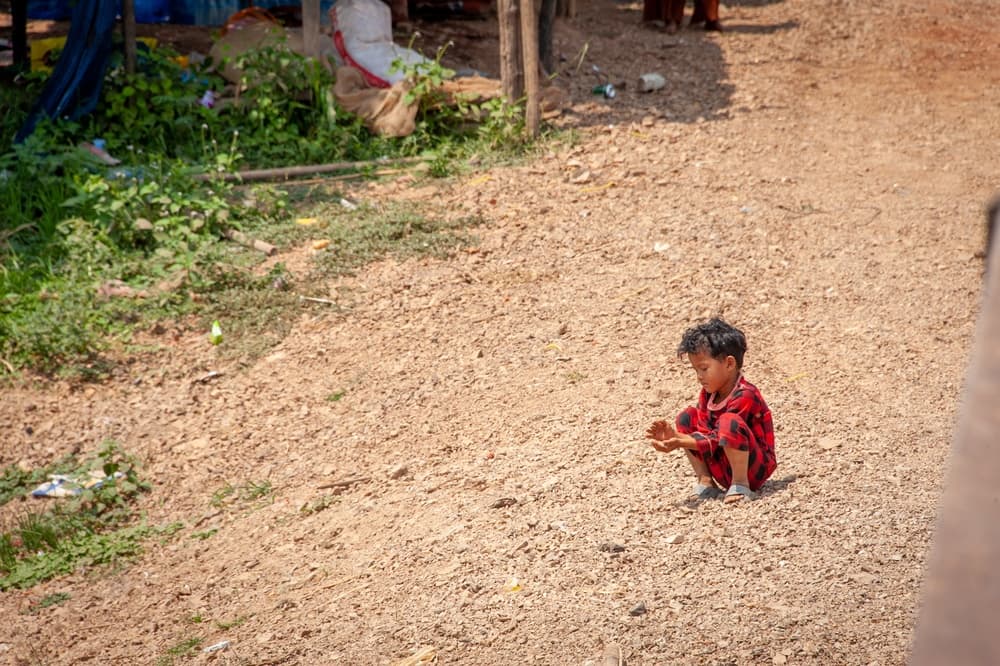
Phnom Penh (AsiaNews) – In Cambodia, 1.3 million children – more than one in five – are at risk of suffering the consequences of El Niño, the climate phenomenon characterised by warming sea temperatures, which this year could reach unprecedented intensity. Water and food shortages, the spread of infectious diseases, heat stress and disruptions to schooling are the main dangers highlighted by UNICEF, which estimates that 190 million children are at risk across the entire Asia-Pacific region. This figure represents more than half of the 347 million children potentially exposed to the phenomenon worldwide.
The alert concerns Cambodia and the Philippines in particular, which are considered the most vulnerable countries in South-East Asia. For Manila, however, UNICEF does not yet have sufficient information and data to quantify the number of children at risk. In Cambodia, on the other hand, the UN agency has already identified a particularly large group of children who could be affected by the phenomenon, which is set to influence the region’s climate for around six months.
Forecasts from leading international scientific organisations point to a particularly worrying scenario. In its latest update in October, the World Meteorological Organisation (WMO), based in Geneva, described the current El Niño as ‘unprecedented’ and ‘off the scale of monitoring instruments’. The US National Oceanic and Atmospheric Administration (NOAA), in its October assessment, also reported an 83 per cent probability of an event more intense than any recorded since 1950, the year in which measurements began.
“For millions of children in Asia and the Pacific, El Niño risks becoming yet another crisis on top of the many pressures already weighing on their lives,” said Sanjay Wijesekera, UNICEF’s Regional Director for Asia and the Pacific. Crop failures, rising food prices and fewer job opportunities have a direct impact on children, jeopardising their nutrition, school attendance and access to healthcare.
In Cambodia, the consequences of El Niño will compound existing problems. “Alongside challenges such as unemployment, food shortages and climate unpredictability, these phenomena have left thousands of families in rural areas struggling to meet their most basic needs, leading to increased food insecurity,” Srey Vannak, senior specialist in climate change and disaster management at World Vision International in Cambodia, explained to AsiaNews.
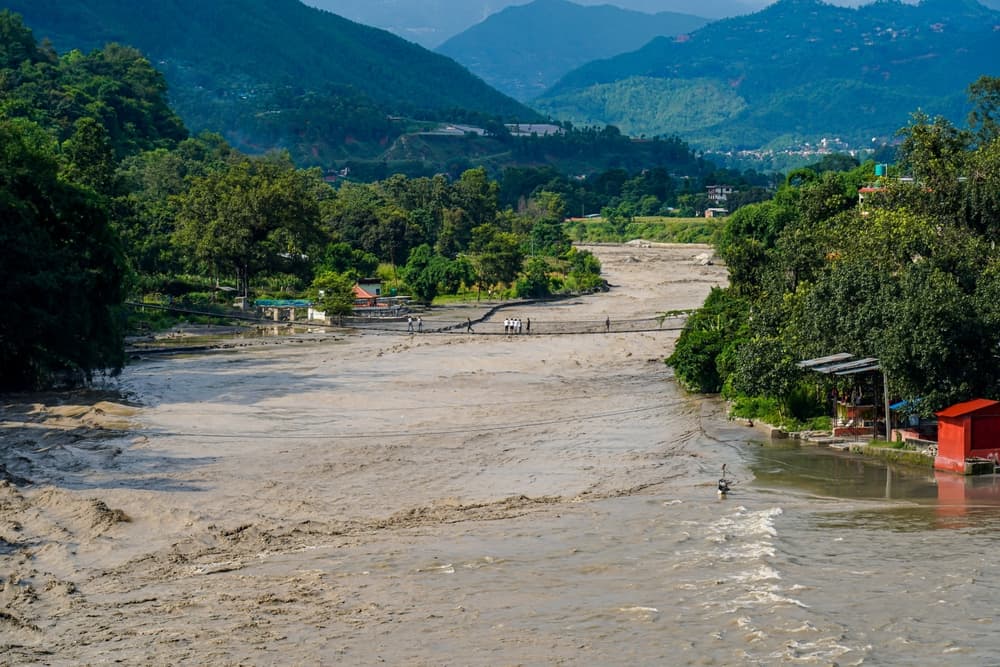
The country is still grappling with the aftermath of recent floods, which have forced some 170,000 people to flee their homes in various areas, particularly in the north-west of the country. On 31 October, whilst distributing food aid and rice seeds to affected families in Battambang province, Prime Minister Hun Manet urged the population to conserve and store water in anticipation of the coming season of scarcity.
“From now on, we must be mindful of the risk of water shortages,” the Prime Minister stated. With the arrival of El Niño, Cambodia must closely monitor consumption and improve the management of its reserves to prevent stocks from running out before the end of the dry season, leaving farmers without water.
The pressures on families could also have consequences for child labour. According to humanitarian workers, as conditions in the camps deteriorate and crops are lost, some parents may withdraw their children from school to put them to work on farms. Compounding the situation is the vulnerability of the infrastructure: around a third of Cambodian schools and hundreds of community health centres are not equipped to operate during heatwaves and risk running out of water.
Added to these difficulties is the situation of people displaced by the clashes on the border with Thailand. Nearly 21,000 Cambodians, including over 6,000 children, have still not been able to return to their homes. Many have been away from home for over a year and are living in six so-called ‘waiting villages’, spread over an area of around 400 hectares. In many cases, families are still living in tents or makeshift shelters, without adequate access to drinking water and sanitation, and in structures exposed to the elements. This precarious situation makes them particularly vulnerable to the effects of El Niño as well.
The Philippines, too, is seeking to mobilise its resources to prepare its approximately 120 million inhabitants for the effects of the phenomenon. However, the country’s geography – a vast archipelago – makes emergency management and the distribution of aid particularly complex. “This El Niño is a colossus, a wrecking ball: it will sweep across Latin America, eastern and southern Africa, Asia and the Pacific,” commented Rafael Busano, a journalist with ABS-CBN News Channel.
Experts warn that the consequences of the phenomenon could persist for months even after it subsides, which is expected in just over six months’ time. And the region may not have much time to recover: towards the end of next year, La Niña is expected to arrive – the climatic phase associated with opposite conditions, which can lead to heavy rainfall and flooding. For communities already affected by drought, flooding and displacement, the risk is that they will have to face a new emergency before they have even recovered from the previous one.