Tokyo (AsiaNews) – The Japanese parliament has passed a law paving the way for the creation of a second capital, with the aim of ensuring the continuity of national institutions in the event of major earthquakes, typhoons or other disasters affecting Tokyo. The bill, backed by the governing coalition led by Prime Minister Sanae Takaichi and passed at the close of the parliamentary session before the summer, has reignited political tensions over the balance of power between central government and local authorities.
The law authorises the government to designate an alternative city capable of temporarily hosting the state’s main functions should the capital be paralysed by a natural disaster or other emergency. The Prime Minister will identify the location, selecting it from among nominations by prefectures that meet certain criteria in terms of population, economic importance and infrastructure.
Japan faces a high risk of earthquakes, and for years experts and governments have been discussing the need to establish an alternative administrative centre in the event that a major earthquake in the Tokyo metropolitan area renders central institutions unable to function. According to Japanese government estimates, a major earthquake in the capital region could cause economic damage amounting to hundreds of thousands of billions of yen and disrupt operational capabilities for weeks.
However, behind the national security justifications lie delicate political balances. The plan for a second capital is in fact included in the coalition agreement signed last October between the Liberal Democratic Party (LDP) and the Japan Innovation Party (JIP), whose parliamentary support was crucial to the election of Takaichi, who belongs to the LDP.
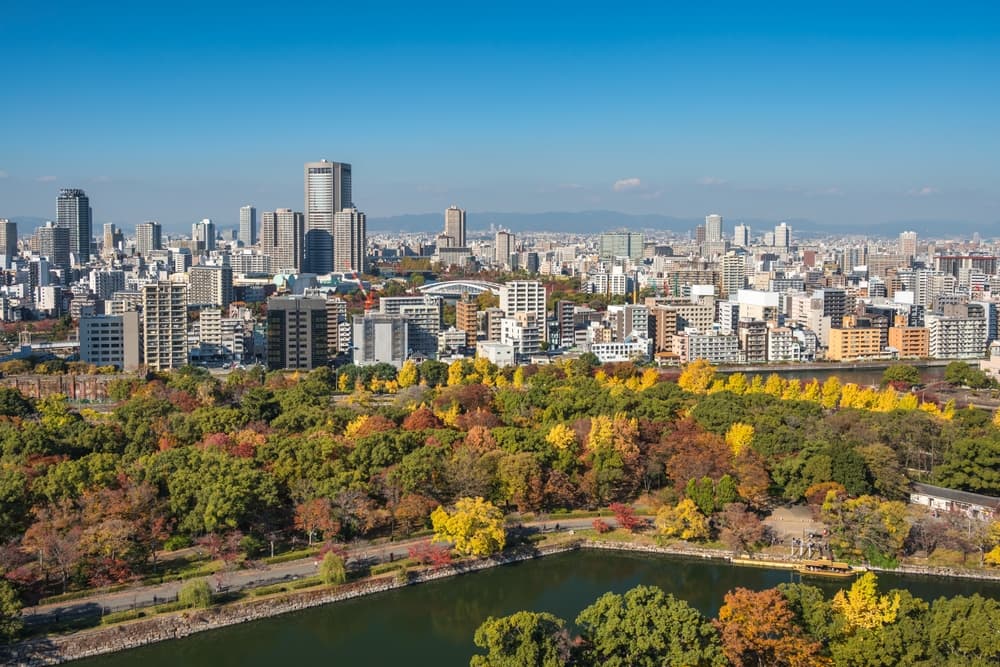
For the JIP, a political force with its roots primarily in the Osaka area, the reform could bolster plans to transform the city into the main administrative alternative to Tokyo. For years, the party has been promoting the so-called Osaka Metropolis Plan, which aims to reorganise Osaka along the lines of the Japanese capital, streamlining its administrative structure and strengthening its political and economic role. The plan has already been rejected twice by voters in referendums held in 2015 and 2020, although both were rejected by very narrow margins.
The opposition has accused the majority of having drafted a ‘tailor-made’ law to satisfy its government ally rather than to address civil protection needs. The parliamentary clash slowed down the scrutiny of the bill for weeks, leading to a boycott of proceedings by the opposition and forcing the government to extend the Diet session by eight days.
It was only after a number of procedural concessions demanded by the opposition that the bill reached the final vote in the Upper House late on Friday evening. On the same day, parliament also approved a revision of the law governing constitutional referendums, a step seen as preparatory to the Liberal Democratic Party’s long-standing aim of amending, for the first time, the pacifist Constitution that came into force in 1947.