Seoul (AsiaNews) – A two-year prison sentence for corruption was handed down in a case involving a religious group accused of seeking favours from the administration of former South Korean President Yoon Suk Yeol.
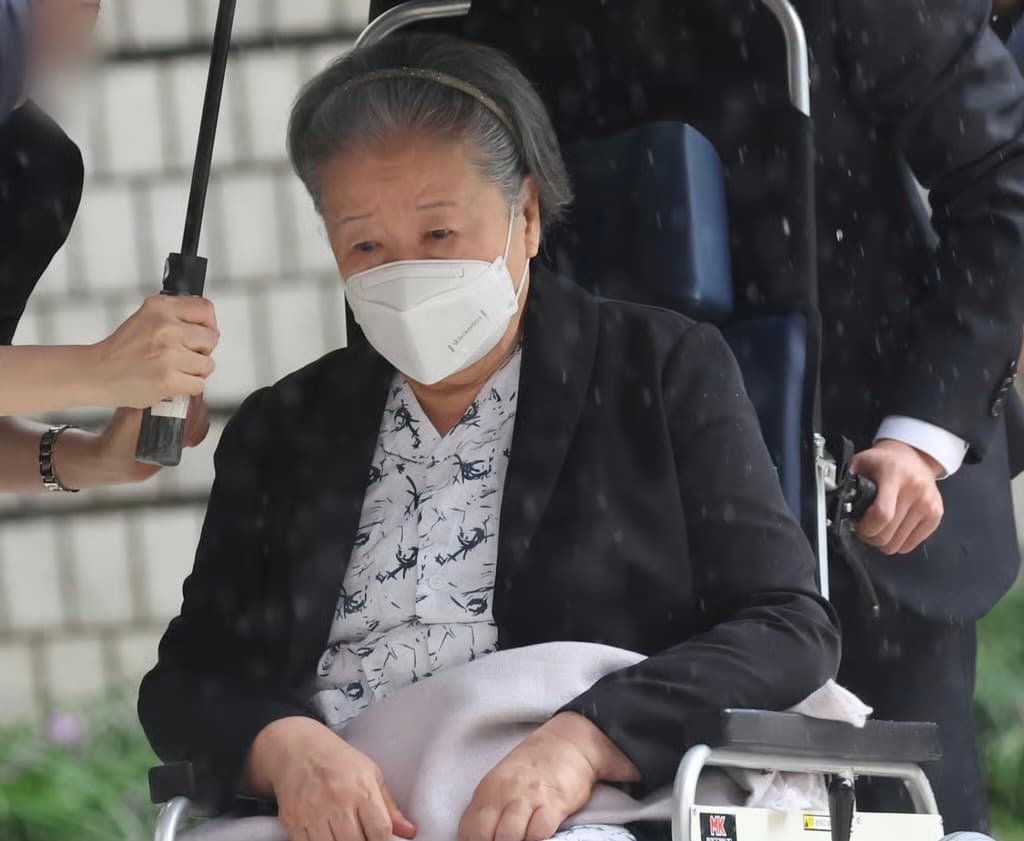
A court in Seoul sentenced Unification Church leader Han Hak-ja, Reverend Moon's widow, today. Prosecutors accused her of improperly donating luxury items, including Chanel handbags and diamond necklaces, to former first lady Kim Keon Hee.
The case is part of a series of investigations by special prosecutors into ousted President Yoon and his wife, in connection with the imposition of martial law in December 2024 and the political fallout.
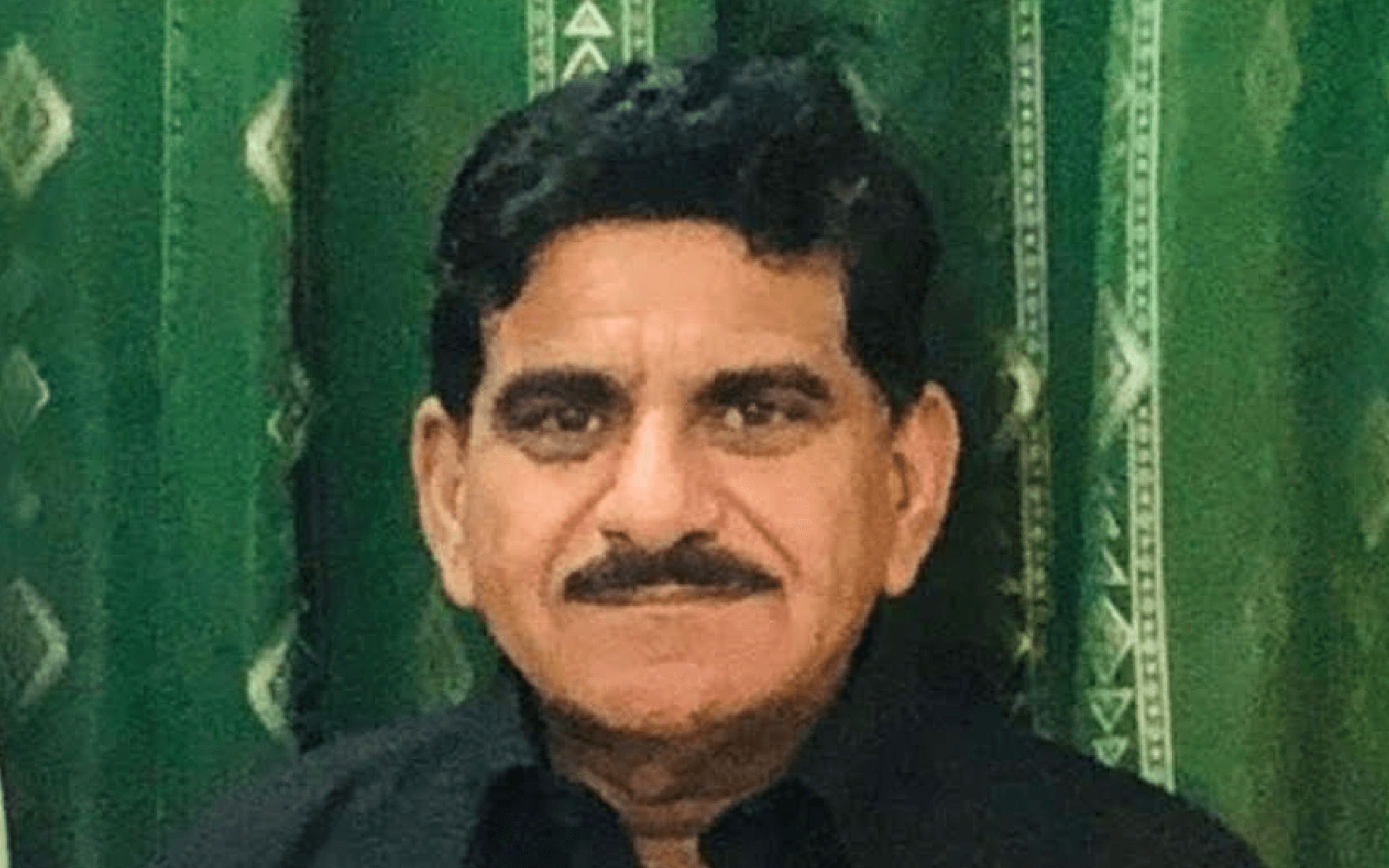
The Seoul Central District Court handed down the sentence to the 83-year-old after finding her guilty of involvement in a luxury goods bribe scheme involving Yoon's wife, then first lady Kim Keon Hee, and in giving illegal funds to a former lawmaker.
The judges also sentenced Yun Young-ho, the former head of the church's global headquarters, to six months in prison and issued a suspended prison sentence to a former aide to Han, who was indicted in connection with the case.
After the sentencing, the Unification Church issued a statement apologising for causing public concern but added that it could not accept the sentence and announced its intention to appeal.
Special counsel Min Joong-ki's team claimed that Han sought the help of Kweon Seong-dong, then leader of the People's Power Party (PPP), to secure favours for the Church in the event of Yoon's election.
“Using the Unification Church's financial power, the defendants saw the presidential election as an opportunity to expand its influence and committed crimes with the purpose of expanding political influence," the court said. “Irrespective of whether the Unification Church's requests were granted, the people's trust and expectations on state policies were violated," it added.
Kweon lost his seat in the National Assembly in July after the Supreme Court upheld a lower court ruling that sentenced him to two years in prison for accepting illegal funds from the Church.
The Seoul District Court convicted Han and other former church officials of making illegal political donations worth 144 million won (US$ 105,000) using Church funds in March 2022. At the same time, it acquitted Han of embezzlement charges related to the donations.
The conviction has been met with criticism and accusations from those who say the trial is political, aimed at targeting certain religions in the country.
For many, the religious leader's trial has become a symbol of the pressure that conservative believers in South Korea are currently subjected to.
For activists and experts, the judicial process has expanded, contracted, and transformed in ways that reveal the disturbing climate surrounding religion and religious practices in the Asian nation.
A segment of the public undoubtedly believes in the innocence of the woman they affectionately call Mother Han, hoping for her full acquittal.
The first case – the only one decided by today's ruling while others remain pending, in the lower courts subject to appeal – is based entirely on the testimony of a former Unification Church leader, who was later expelled from the movement.
His versions have repeatedly changed before investigating magistrates. Furthermore, the documents, the chronology of events, and his own previous statements contradict him.
He has changed his story every time prosecutors changed the prosecution's case, and his credibility has crumbled under the weight of inconsistencies and his own self-interest. In effect, he tried to shield himself from the investigation by accusing Han, and the prosecution chose to rely on him as a key element in going after the Church’s leaders.
The court's decision to sentence 83-year-old mother Han to two years in prison, rather than the 13 requested by the prosecution, restores a modicum of common sense to the case for critics, but it is not enough.
The proceeding, in fact, is symbolic of a broader campaign against South Korea’s conservative religious denominations. Pastor Son Hyun-bo of the Segero Church, President Lee Man-hee of Shincheonji, and other leaders have faced similar pressure and have been arrested.
In particular, the case of the pastor of the Shincheonji Church, linked to an alleged connection between religion and politics, is considered by international activist groups to be a sign of a religious freedom crisis in South Korea.
In this context, the conviction of the Unification Church leader is a reminder of the dangers faced by those who advocate for or back religion in the country.