Busan (AsiaNews/Agencies) – For the first time in its history, the UNESCO World Heritage Committee is holding its session in South Korea, with delegates from 193 countries gathered in Busan to assess the state of conservation of existing sites and examine new nominations. Never before, however, have the consequences of the conflicts in the Middle East dominated the agenda as much as they have this year.
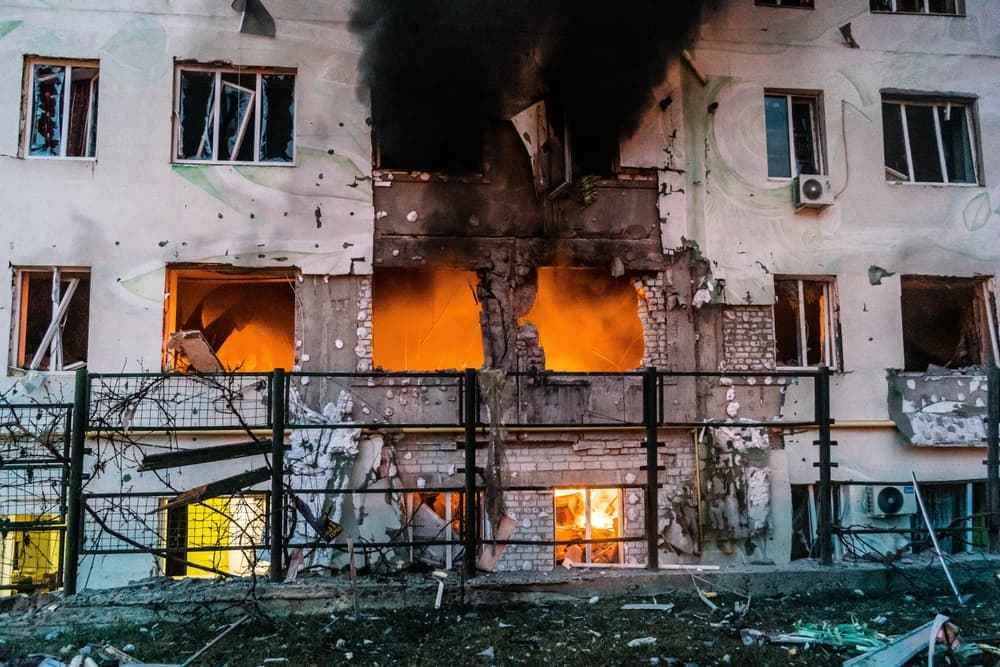
This has already been evident during the first few days of the session, which runs until 29 July: after approving, at the opening of the session, a general declaration “on international cooperation to protect vulnerable cultural and natural heritage from damage” caused by conflicts, yesterday the delegates added the Lebanese city of Tyre – officially recognised in 1984 as a UNESCO site for its Roman ruins and hit in recent weeks by Israeli bombardment – to the List of World Heritage in Danger.
“The site has been directly hit and has sustained damage,” reads the statement approved at the request of the Lebanese government. “Furthermore, its state of conservation is a cause for growing concern, particularly in light of the possibility of further impacts. The optimal conditions for ensuring the conservation and protection of the site’s outstanding universal value no longer exist.”
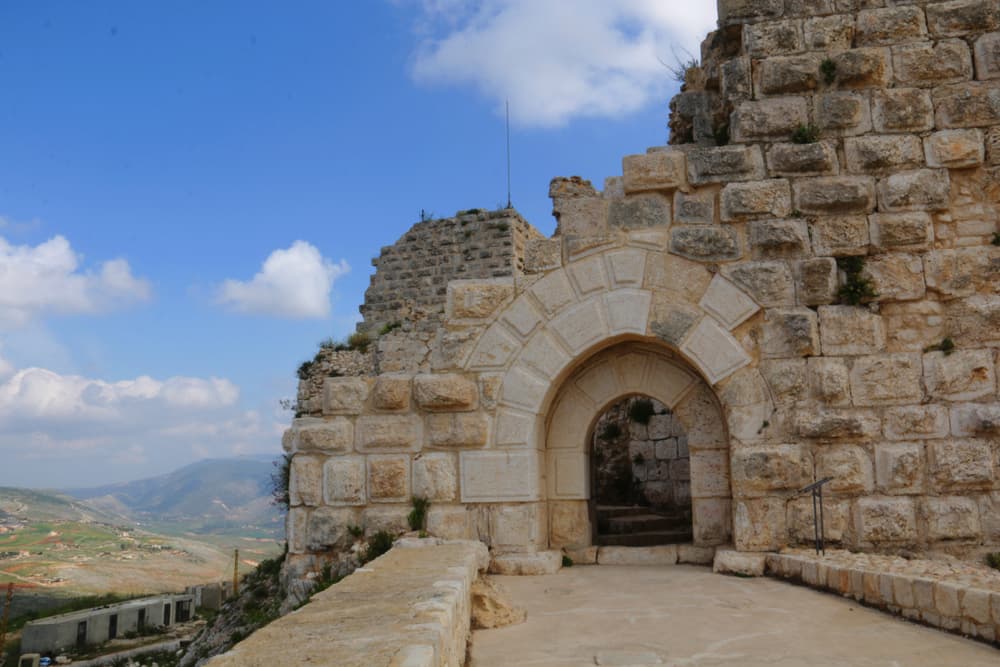
However, alongside the nomination for Tyre, among the 30 nominations for recognition as new World Heritage Sites to be examined from tomorrow, there are two others included under the emergency procedure precisely because of the conflicts in the Middle East: the first, also in southern Lebanon, concerns the castles of Mount Amel, including Beaufort Castle, the Crusader fortress in the governorate of Nabatieh, which has been re-occupied by Israel since 31 May as part of the offensive against Hezbollah.
The other, put forward by Palestine, concerns the city of Sebastia which – as we reported a few weeks ago in AsiaNews – has in recent years become an ‘archaeological route’ towards the de facto annexation of large areas of the West Bank by Israel. Should these two requests be accepted, it would open up a new front in the long-standing, troubled relationship between Israel and UNESCO.
In protest at Palestine’s admission as a member state, Israel has, in fact, ceased to be a member of the UN cultural organisation since 1 January 2019 and – unlike the United States, which rejoined as a member state in 2023 under the Biden administration – remains outside it to this day.
Nevertheless, Israel remains one of the signatory states to the 1972 Convention establishing the World Heritage List, and a delegation from the country therefore attends the Committee’s sessions, not least because there are nine officially recognised sites located within its internationally recognised borders.
On this basis, in recent days the Netanyahu government had already issued a strongly worded statement against what it describes as a “cynical exploitation of cultural heritage and a complete betrayal of professional integrity that threaten to destroy the credibility of the World Heritage Convention”.
Regarding the case of Beaufort Castle, the Netanyahu government maintains that the international community’s real failure in protecting cultural heritage lies in having allowed Hezbollah to transform the ancient Crusader fortress into a military base, digging an extensive network of tunnels beneath the site and using it to launch rockets against Israel.
As for the site of Sebastia – described as “the historic biblical capital of the ancient Kingdom of Israel in Samaria” – Israel maintains that the alarm raised over the site “lacks any technical basis and is motivated by political aims to erase the site’s rich and extensively documented Jewish and Christian history”.
According to the statement, the real danger to Sebastia stems from “the Palestinian Authority’s neglect”, which is accused of having facilitated vandalism, theft and desecration of the archaeological site.
Finally, it should be noted that among the 30 new nominations for World Heritage sites, there are also three others that indirectly concern areas involved in the conflict. Iran has, in fact, applied for recognition of Alamut Castle, a medieval fortress situated at an altitude of over 2,000 metres in the mountains of the north of the country.
Two other proposals concern the Gulf of Aqaba – the stretch of sea between the Sinai Peninsula and the Arabian Peninsula that overlooks the Red Sea, currently in the spotlight due to threats from the Houthis: Jordan has nominated the Aqaba Marine Reserve, whilst Saudi Arabia has nominated the coral reefs of the Gulf of Aqaba and the Red Sea.