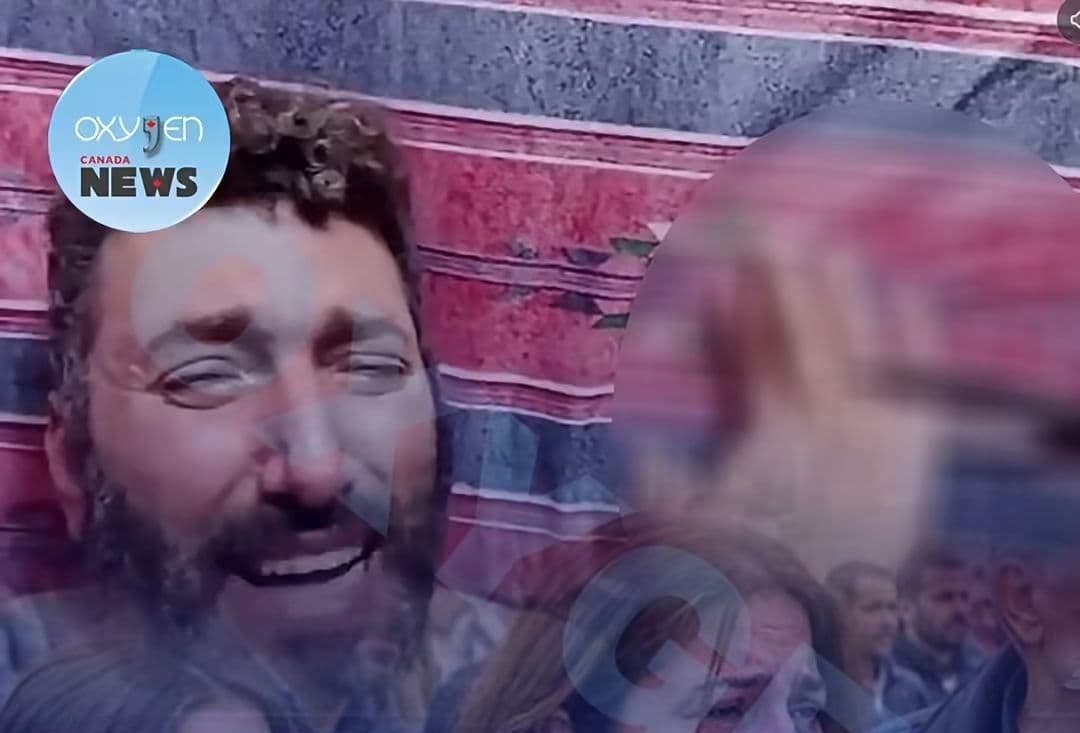
Damascus (AsiaNews) – Five days. This is the deadline reported by some local platforms in reference to the new video of Maher Sankari, which circulated on 24 November. More than a month after his abduction, the jeweller has reappeared to appeal to his family, whilst his kidnappers continue to demand 120 kilograms of gold and threaten to amputate his fingers. It is not known when the video was recorded, nor exactly when the deadline mentioned will expire in the coming hours. However, the threat exposes a father of two to immediate danger, whilst his family waits to have him back home.
Maher Nawras Sankari, 38, was standing outside his home in Suqaylabiyah, in the province of Hama, when he was abducted on the morning of 19 October. A CCTV camera captured a car intercepting his motorbike, before masked men took him away. His aunt, who lives nearby, heard the crash and initially thought it was a road accident. What for a moment seemed like an accident on a familiar street turned into a disappearance lasting weeks, followed by images of violence and a ransom demand far beyond the family’s means.
The threat to maim him preceded the latest video. On 11 November, the Syrian Observatory for Human Rights reported that the kidnappers had sent the family a photograph of a pair of pruning shears, threatening to use them to amputate his fingers. As the messages continued, the family’s appeals turned into public protests. Maher’s name appeared on the streets, on photographs held aloft by demonstrators and in calls for his release.
On the evening of 18 November, a torchlight procession against kidnappings and insecurity took place in Suqaylabiyah, preceded by a vigil outside St Peter’s Cathedral. Participants called for Maher’s release, gun control and the protection of civilians. His brother Mazen spoke of their efforts to draw attention to the case. The demands were straightforward: to find out where he is, to bring him home, and to make the streets where people live and work safe.
Whilst Suqaylabiyah displayed photographs of its abducted fellow citizen, news of another murder emerged from the Damascus governorate. According to reports published on 24 November, Elie Asaad Hilaleh, from Saydnaya, and Elias Mardini, from Maarouneh, were found shot dead on the road between the two towns. The published reports did not identify those responsible nor clarify the motive. Their names have been added to the news stories that Christians are following with growing anguish: a missing man who has not returned, two young men whose lives came to an end on a road between neighbouring villages.
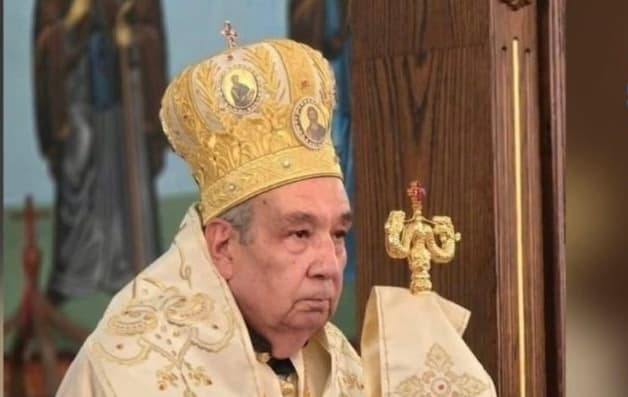
Ten days earlier, five armed men had entered the Greek-Melkite Catholic Church of Our Lady of Peace in Homs. According to the Vicar General in an interview, Archbishop Jean-Abdo Arbach was alone at the time of the attack. He was tied up, blindfolded and gagged; money and personal belongings were stolen from his office. Violence has reached a place where people seek comfort, targeting the priest to whom they entrust their fears.
These events prompted the leaders of three Churches to issue a joint statement on the evening of 17 November. Patriarchs John X, Ignatius Aphrem II and Youssef Absi expressed concern at the recurrence of such attacks, refusing to regard them as isolated incidents. Attached to the statement were photographs received from Maher’s family, showing him immobilised and gagged, with signs of injury. The Churches’ alarm regarding the future of Christians thus had a face and a name.
Maher is not the only one mentioned in recent appeals. A statement by human rights organisations, published on 18 November, highlighted the kidnapping of Karim Moussa al-Nader in the province of Hama and the demand for one hundred thousand dollars from his family. It also recalled the case of Fadi Jamil Samaan, in the province of Damascus. In a video circulating online, Karim pleaded with his family to sell their possessions to pay the ransom. The names may change, but the situation remains the same: huge sums must be raised, whilst the safety and fate of the hostages remain in the hands of the kidnappers.
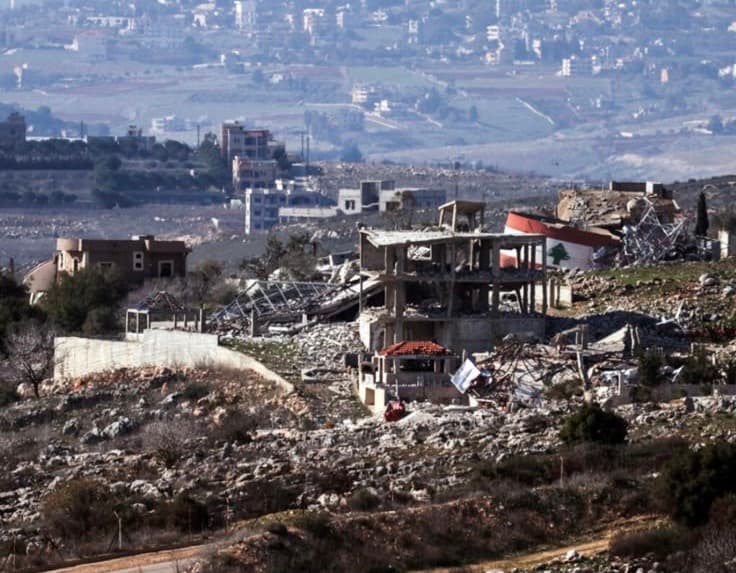
These fears had already been highlighted in AsiaNews reports several months earlier. On 30 March, following the attacks in Suqaylabiyah, Monsignor Jacques Mourad, Syriac Catholic Archbishop of Homs, Hama and Nabek, described a calm that had not resolved the underlying tensions. Indeed, there were attacks on Christian-owned businesses and properties, as well as threats against young women. The archbishop denounced injustices and shortcomings in the management of security. Months later, the city saw protests once again, this time over a jeweller who had been abducted outside his home.
In an article published on 24 November, based on one of his videos, the Syrian journalist and analyst Kevork Almassian challenged the repeated portrayal of the attacks as unrelated crimes and the calls to give the new government more time. He linked the future of Christians to their ability to work, protect their businesses, send their children to school and trust the state to intervene when a family member is abducted. He also warned that continued insecurity would drive more Christians to leave Syria.
For Maher’s family, trust depends on concrete answers: what are the relevant authorities doing to locate him? What information are family members receiving about attempts to secure his release? More than a month after a kidnapping captured on camera, there needs to be a designated official overseeing the case, measures to protect him and his family, and action taken against those holding him captive and threatening him.
This appeal is addressed to the Presidency and the Ministry of the Interior, to church leaders and to international partners who can help: treat the latest footage as an urgent warning, take action to bring Maher home safe and sound, and protect his family from threats and extortion. Making public whatever information can be disclosed about the investigation without putting his life at risk is part of our responsibility towards the family and towards a city that is calling for his protection.
The future of Christians in Syria is often discussed in terms of broad themes: staying put, emigration, pluralism. Today, that future has a name: a man who has been abducted and two children waiting for their father. Between the video currently circulating and the next news update, action must be taken to bring Maher home. Before his family receives another message from the kidnappers.