Kiev (AsiaNews) - A group of more than 300 priests from the Ukrainian Orthodox Church Upz (Ukrainskaja Pravoslavnaja Zerkov), still formally linked to the patriarchate of Moscow, has sent a letter to Metropolitan Onufryj (Berezovskyj) of Kiev, head of the Ukrainian jurisdiction, expressing their consternation after the destruction of the Cathedral of the Transfiguration in Odessa, one of the largest Upz churches in the entire country. "We do not want to suffer either for Russia, Putin or Kirill," reads the appeal, calling for an immediate and definitive severance of relations with the Moscow Church.
The Odessa tragedy is described as "an act of barbarism", and the priests call for a meeting of the Upz Synod, to sanction the separation from the hierarchy that "supports the genocide of Ukrainians, at the hands of the Russian occupiers".
It would be the only way to free themselves from Moscow's influence, and to defend the interests of the Ukrainian people: 'Thousands of Ukrainians will no longer see the sunlit sky, they will no longer write poetic verses, they will no longer give bouquets of flowers to their loved one, and they will no longer hold their little child in their arms... And all this inexpressible pain, this immense tragedy in the name of satanic justice from the Moscow sewers, as the patriarch proclaims. And what do we answer him?".
The adjective 'satanic' is used several times in the letter to define Russian aggression against Ukraine, and in particular the proclamations of Kirill, whose name, the priests explain, 'has continued to be recalled in liturgies by many of us, despite the decisions of last year's synod'.
Several Upz bishops and metropolitans continue to advocate 'unity with the Moscow Patriarchate', from where the Ukrainian jurisdiction is continually recalled as 'part of the Russian Orthodox Church'. Hence the appeal to Onufryj, who, according to the signatories, 'has not tried to convince either Ukrainians or Russians of the contrary'.
According to the priests, this ambiguity justifies the position of the Kiev government, which is gradually trying to liquidate all the activities of the Upz Church, starting with the most symbolic place, the Lavra of the Kiev Caves.
The Synod should clearly condemn the aggression and annexation of the Upz eparchies located in the occupied regions, in order to "have the moral right to continue to exist in the Ukrainian state". In fact, the authors of the letter do not mention the reunion with the autocephalous Pzu Church (Pravoslavnaja Zerkov Ukrainy), with which there are old and new reasons for disagreement, but call for the survival of an Upz liberated from Moscow.
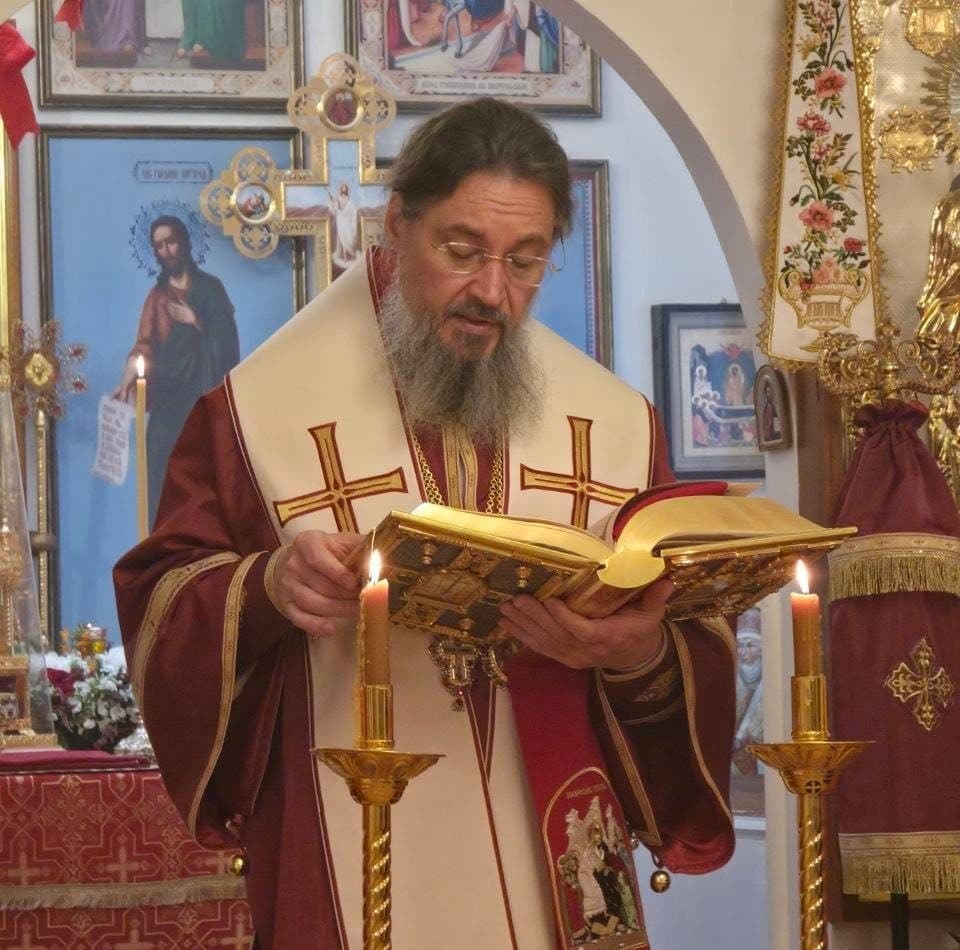
Some of the signatory priests tried to obtain an audience with Metropolitan Onufryj, who continues to maintain a very reserved position, without public statements. Others, such as the vicar of the eparchy of Odessa, Archbishop Viktor (Bykov), appealed to Moscow Patriarch Kirill and the entire Russian patriarchal synod to condemn the Russian Federation's 'insane aggression' against independent Ukraine, and asked the Russian Church itself to 'leave the Ukrainian Upz Church alone'.
The Upz Metropolitan of Odessa, Agafangel (Savvin), publicly condemned the attack in a message to the clergy and faithful. Before the Russian invasion, Agafangel was known as one of the main champions of loyalty to the Church of Moscow in Ukraine, while he now proclaimed that 'the heart of the peace-loving city of Odessa is buried under the ruins of the cathedral'. Whatever the aims of the 'special military operation', the Metropolitan bitterly notes, it 'cannot justify murder and violence, destruction and forced flight, which reduces people to the condition of refugees'.
Photo: news.church.ua